By the end of the 1960s all diesel locomotives required by BR had been delivered, leaving a vacuum within the BR and private company workshops in Britain. Brush had looked ahead at possible future requirements and had the 4,000 metric hp diesel electric Co-Co HS4000 KESTREL undergoing trials on BR, both on passenger and freight workings.
Alas BR was not inclined to order production locomotives partly because of weight problems on passenger duties. The longer freight trains which KESTREL was capable of hauling were a problem because sufficiently long sidings and internal railway systems of power stations and collieries did not exist. It was felt that while class 47s could cope with block train workings and freightliner traffic a Type 5 freight locomotive was not required.
However, events changed on 6th October 1973 when Egyptian and Syrian forces mounted an attack on Israel, starting the Yom Kippur War. Israel fought back and reversed its initial misfortunes before a cease-fire came into force on 24th October. The consequences were immediate because the Suez Canal was blocked and anti-Israeli oil-producing nations used the price of oil as a weapon where the war had failed.
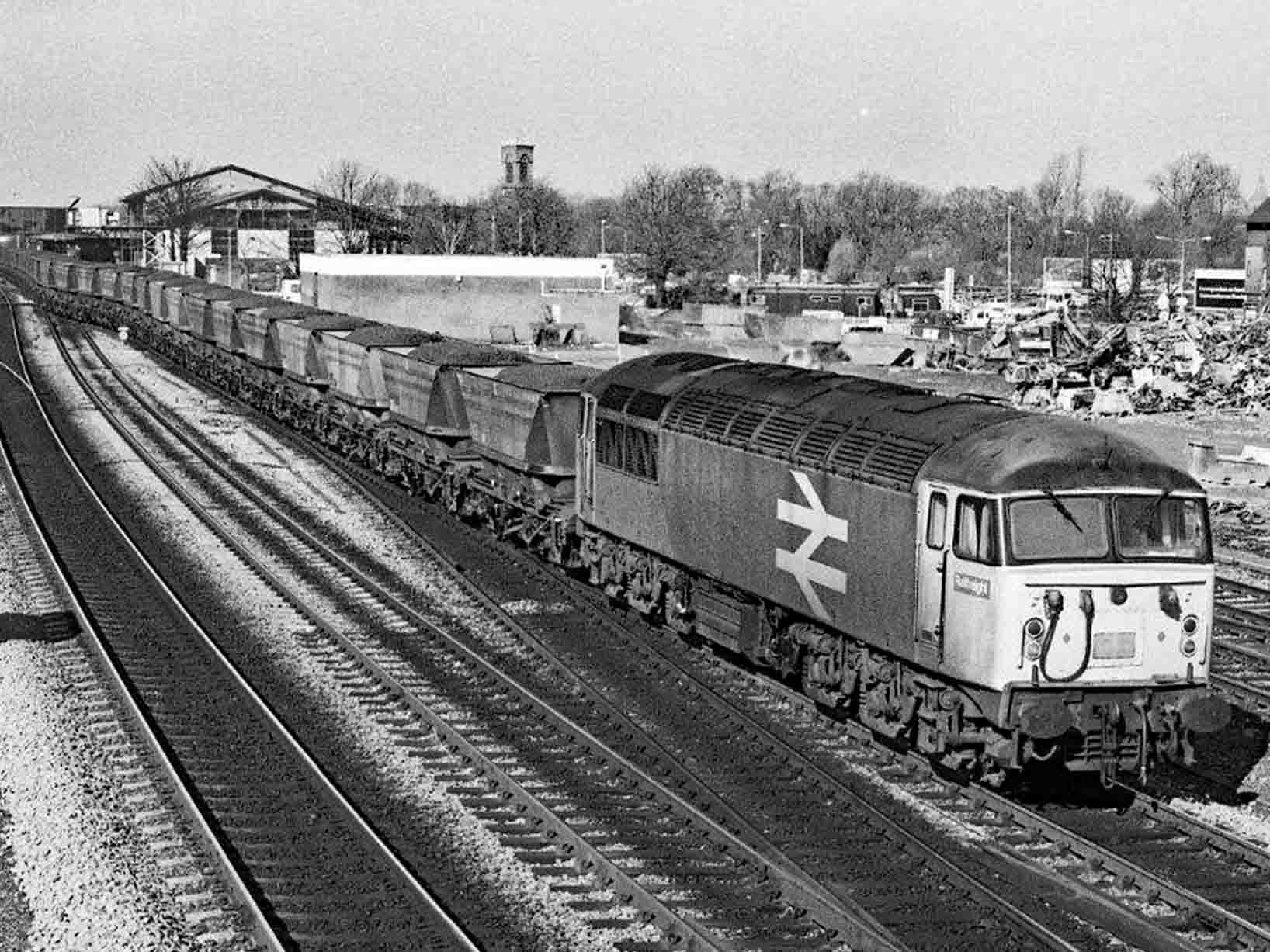
For Western countries, losing the quick route through the Suez Canal and having to transport fuel around the Cape of Good Hope, combined with sharply rising fuel prices led to increasing production of alternative fuels, in particular coal for power stations. Thus Britain decided to ramp up the production of coal, which in turn necessitated heavier trains and more powerful locomotives. The need for a Type 5 heavy freight locomotive had arrived, but a new design was required in a hurry due to the fuel crisis. BR and Brush co-operated to produce such a design using the class 47 bodyshell concept. Sulzer engines were very much out of favour and the engine chosen was the 3,520 bhp GEC Diesels/Ruston-Paxman 16RK3CT coupled to a Brush brushless main alternator as a combined power unit, but set at 3,250 bhp.
Initial orders for the new locomotives, designated class 56, were placed with Brush Traction (56001-30) and BREL Doncaster (56031-60). Brush however, had turned over its locomotive-building space to other work, notably that of manufacturing turbo-generators and could not build the locomotives itself. While locomotives had been built during the early 1970s, they were 0-6-0 diesel shunting locomotives for the Nigerian Railway Corporation and were produced in a small annexe within one of the larger buildings on site. Brush decided to sub-contract the fabrication and equipping of the new locomotives to Electroputere of Craiova in Romania.
It is true that the resultant locomotives arrived in Britain in a somewhat ‘rough’ condition, due to use of wrong materials and shoddy workmanship which took many months to sort out. Indeed Brush had a team of engineers at Tinsley Depot solely sorting out the problems. To be fair to the Romanians Electroputere had a good name prior to the advent of class 56, but it must be pointed out that during the construction of these locomotives a severe earthquake occurred, which devastated any normal semblance of ideal conditions. Furthermore, most of the equipment for the locomotives had to be transported from Britain to Romania in some perilous and arduous conditions, including snow-ridden passes and unstable roads.
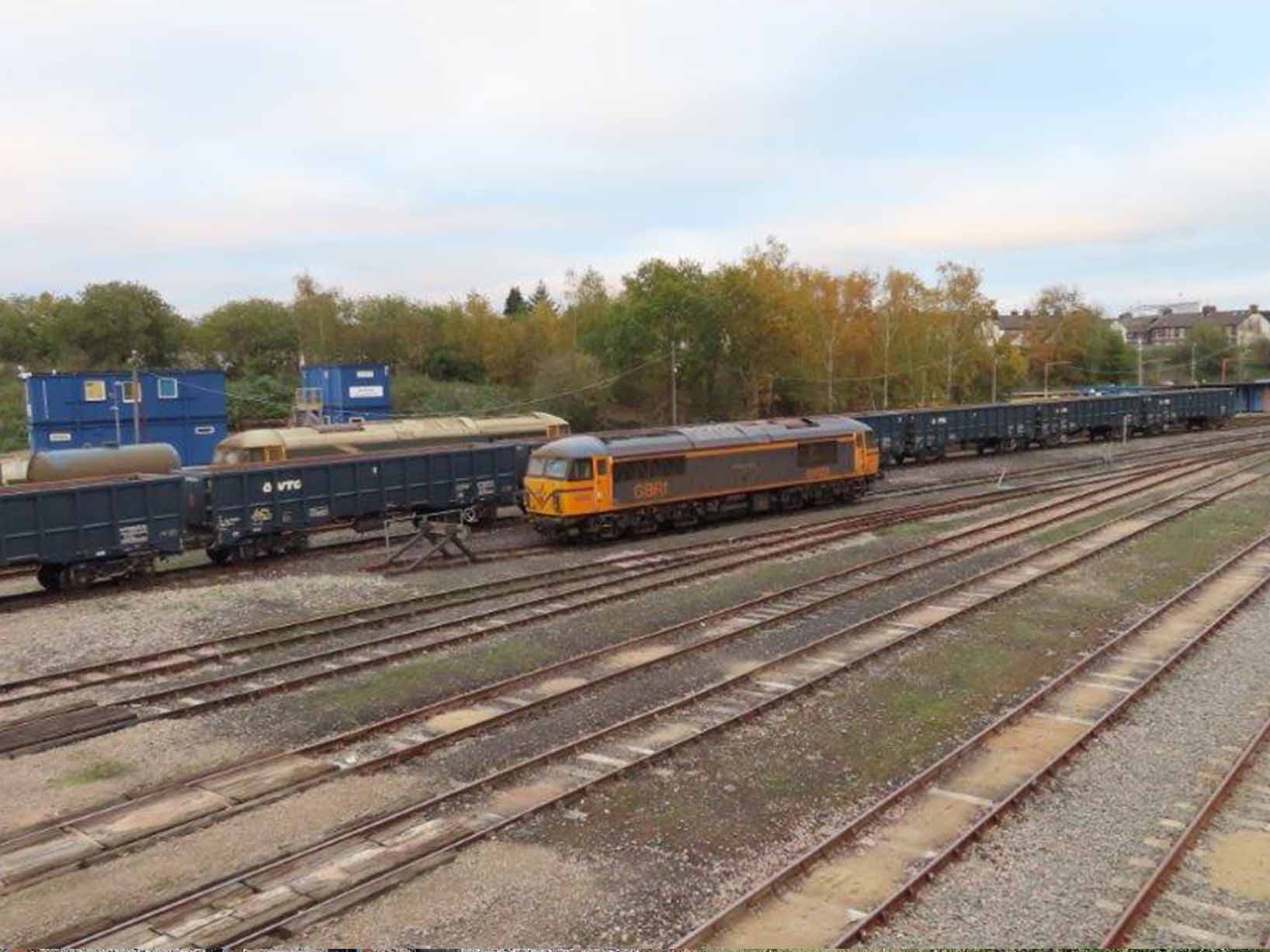
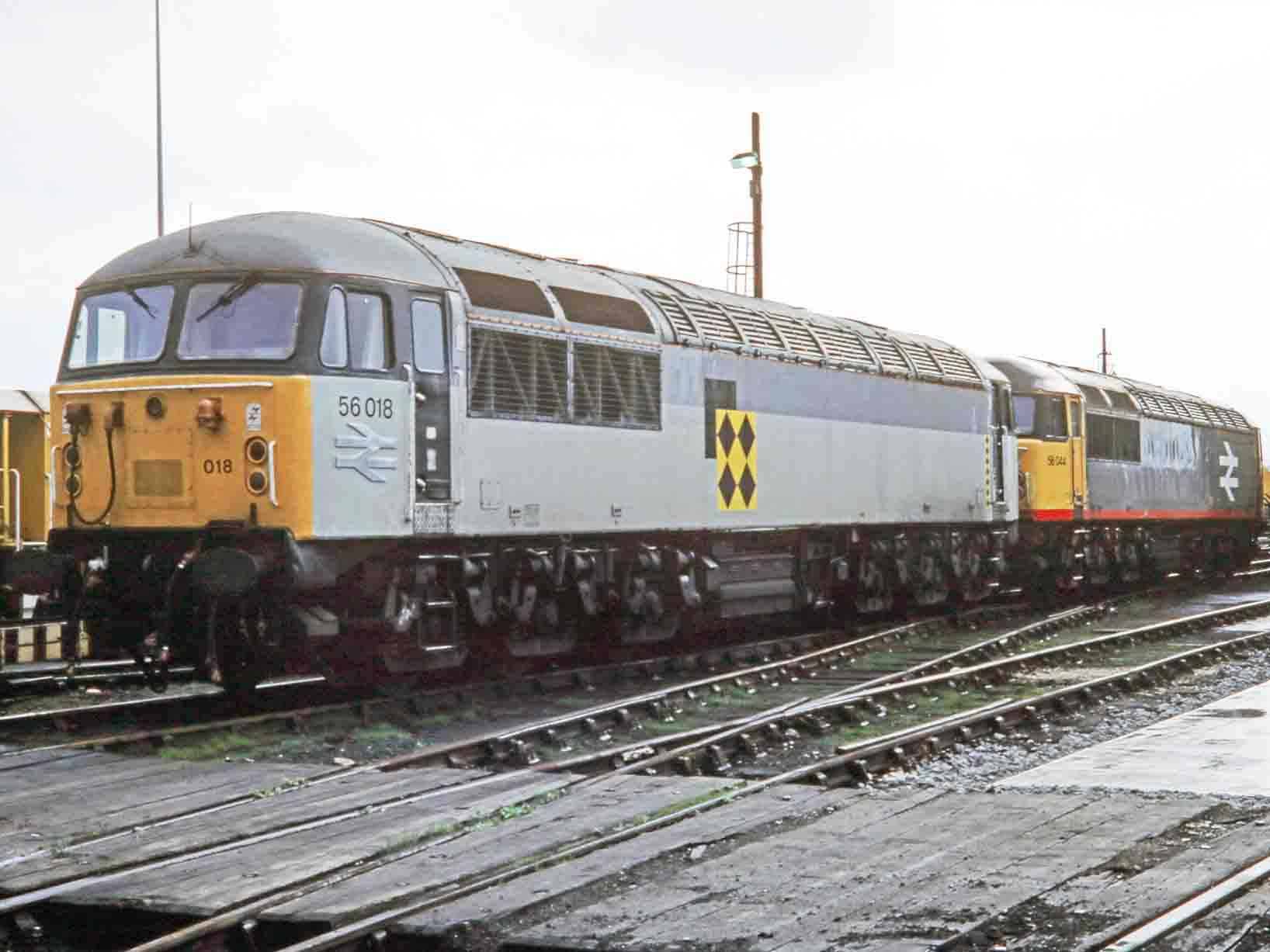
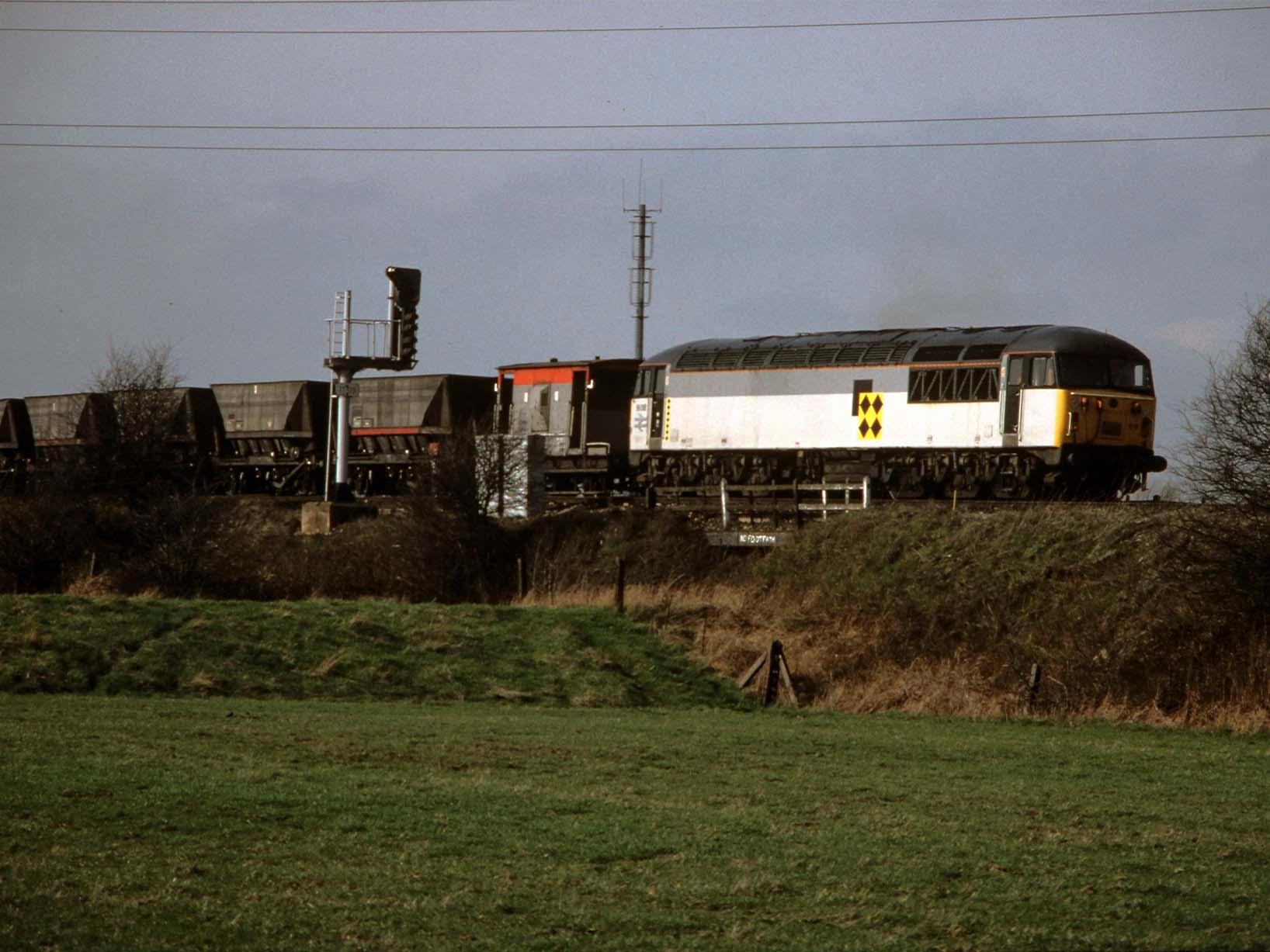
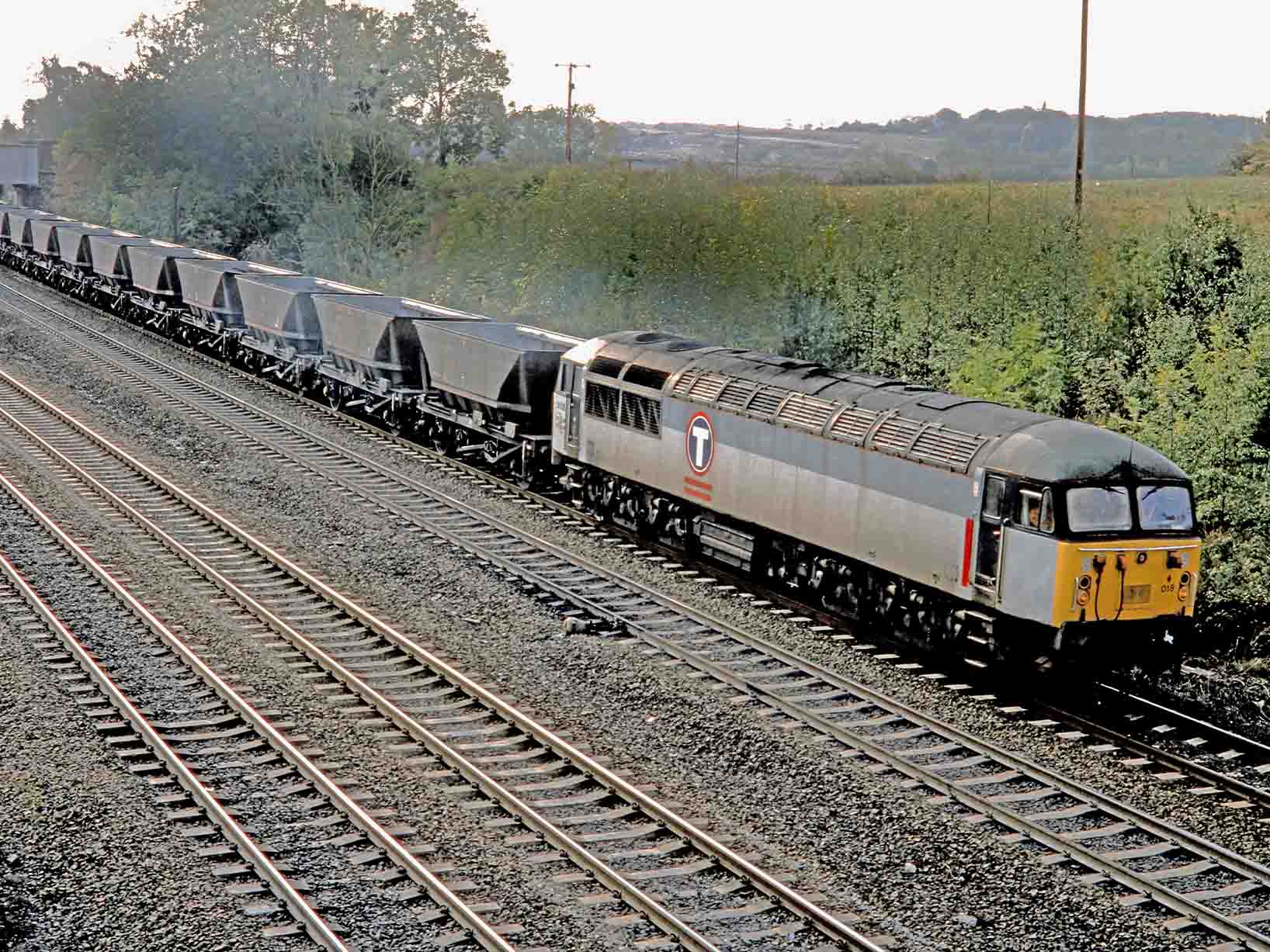
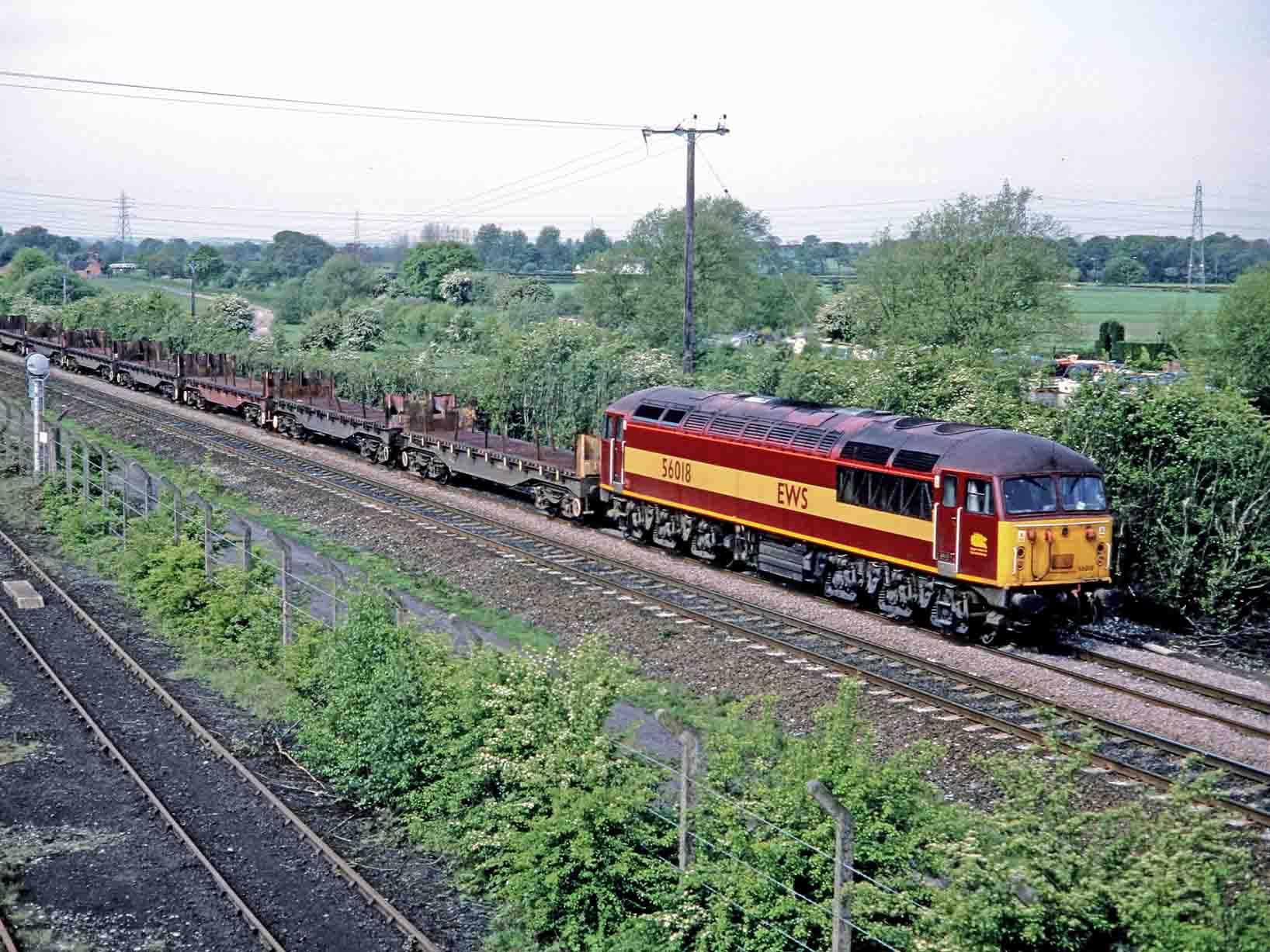
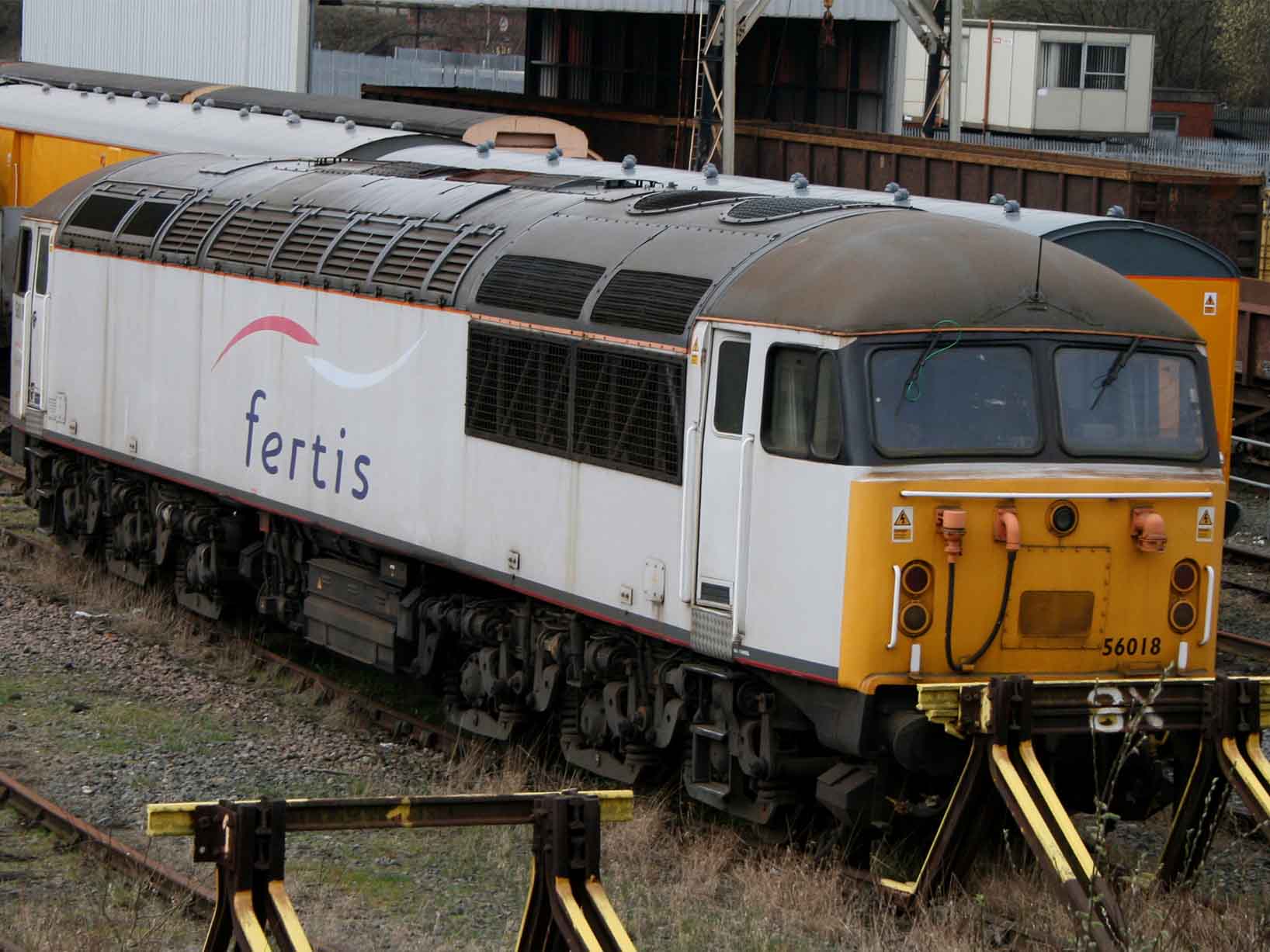
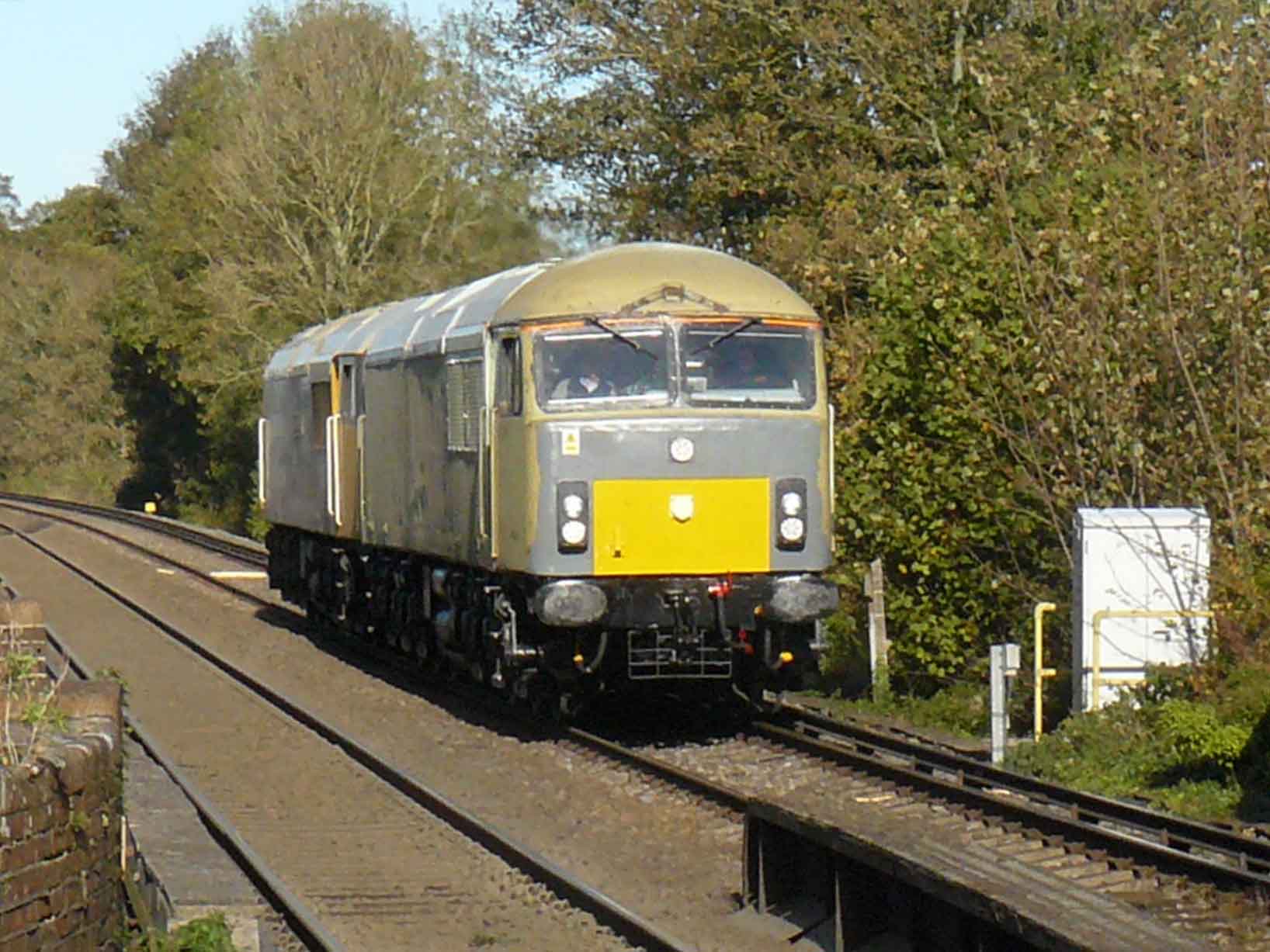
56001-30 were all initially allocated to Tinsley and worked mainly hauling coal trains, often outbased at Shirebrook West where your gallery compiler saw several including 56018. 56020-30 were reallocated to Healey Mills in 1980 returning to Tinsley in 1983 and 56001 to Bristol Bath Road in 1985; then the 29 at Tinsley were all reallocated to Toton in 1986. 56018 was subsequently allocated to Cardiff Canton, Immingham and Thornaby. While stored at Immingham it was added to the French class 56 hire fleet in March 2005, then moved to Toton where it was repainted in Fertis grey livery and hauled through the Channel Tunnel on 4th May for use on engineering trains for the construction of HGV Est in France. After completion of that work it was returned through the Channel Tunnel on 29th January 2007 and moved to Wembley Yard two weeks later where it remained until it was moved to Warrington in December 2008 remaining there in a siding.
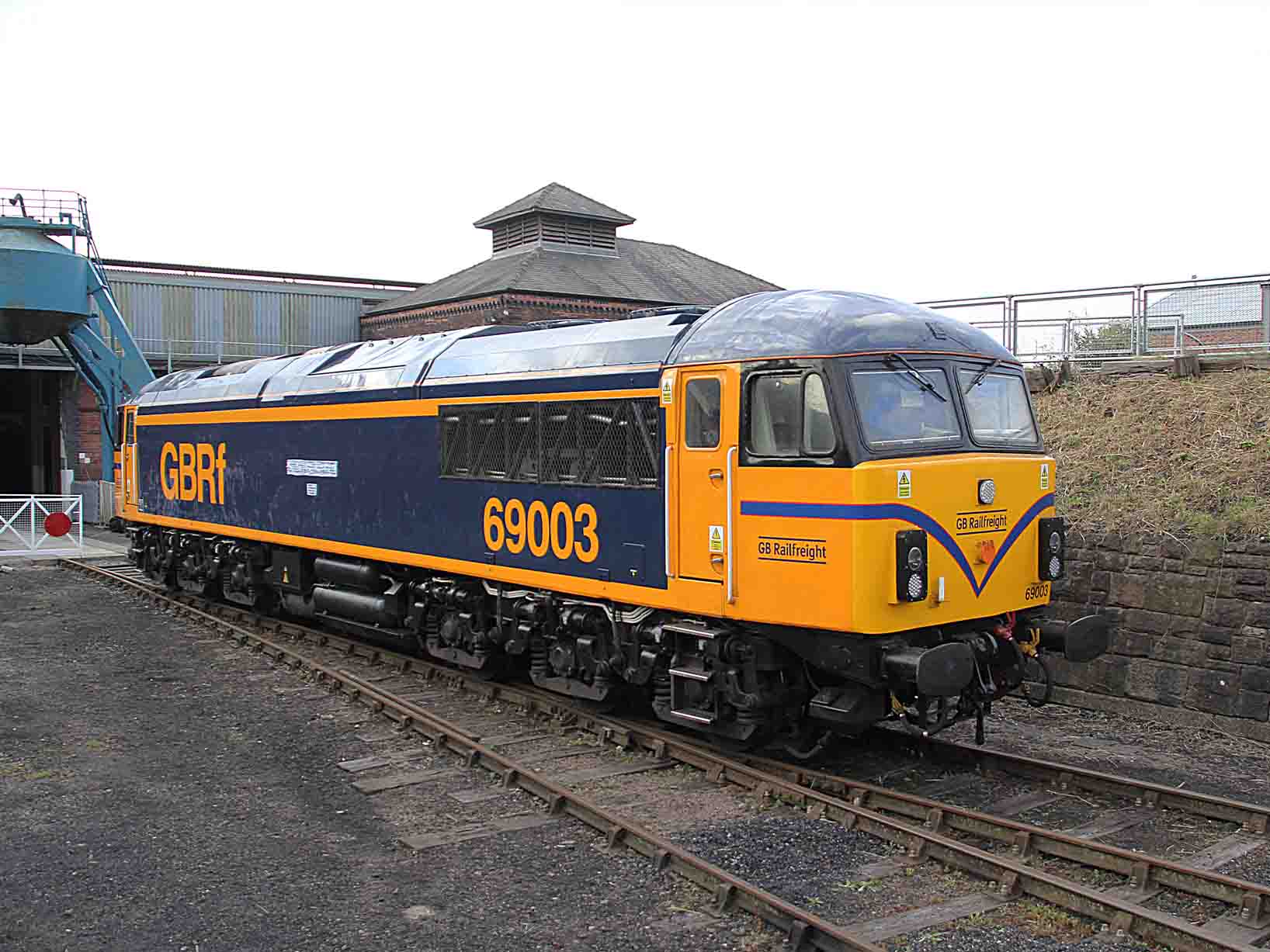
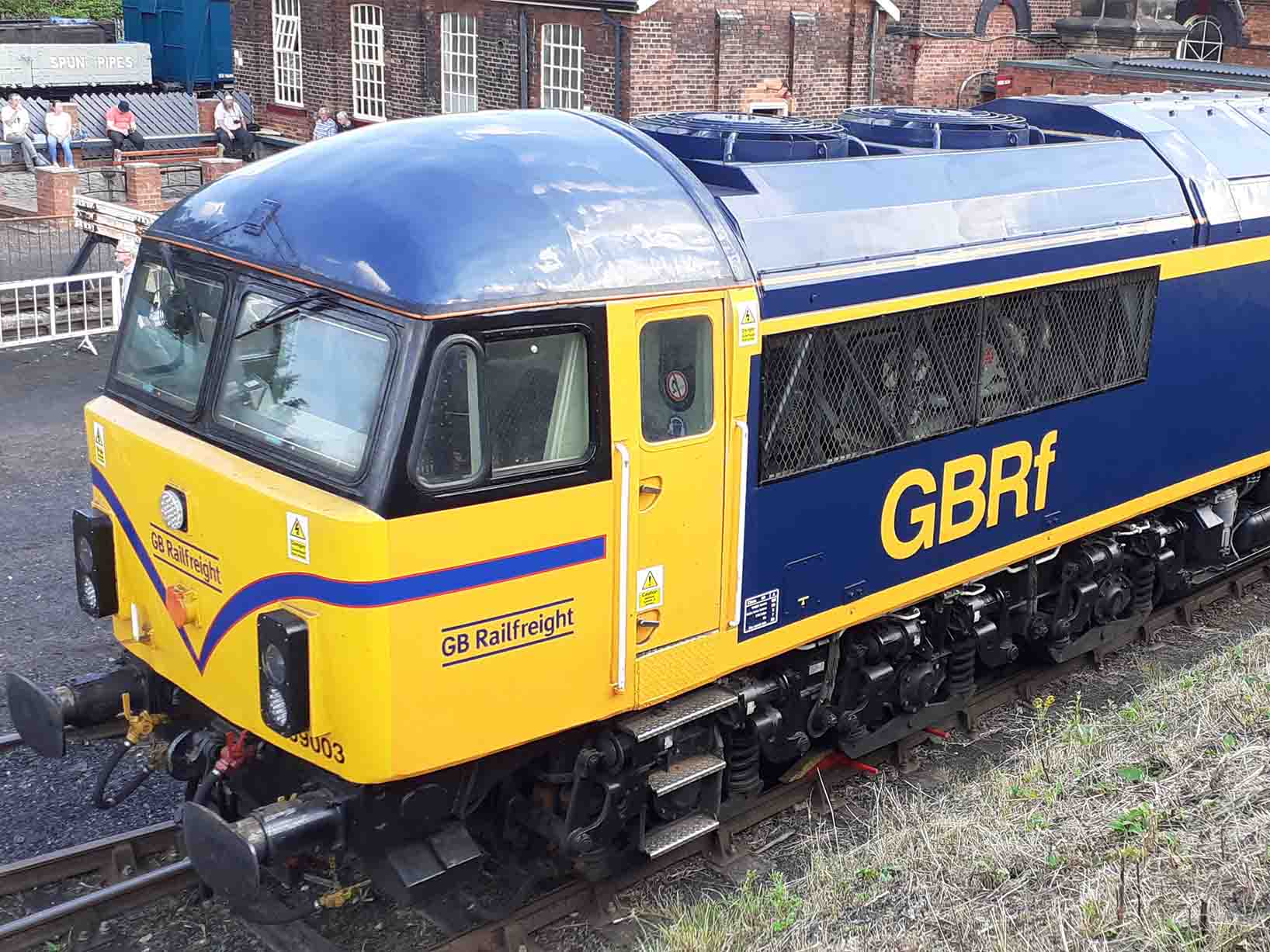
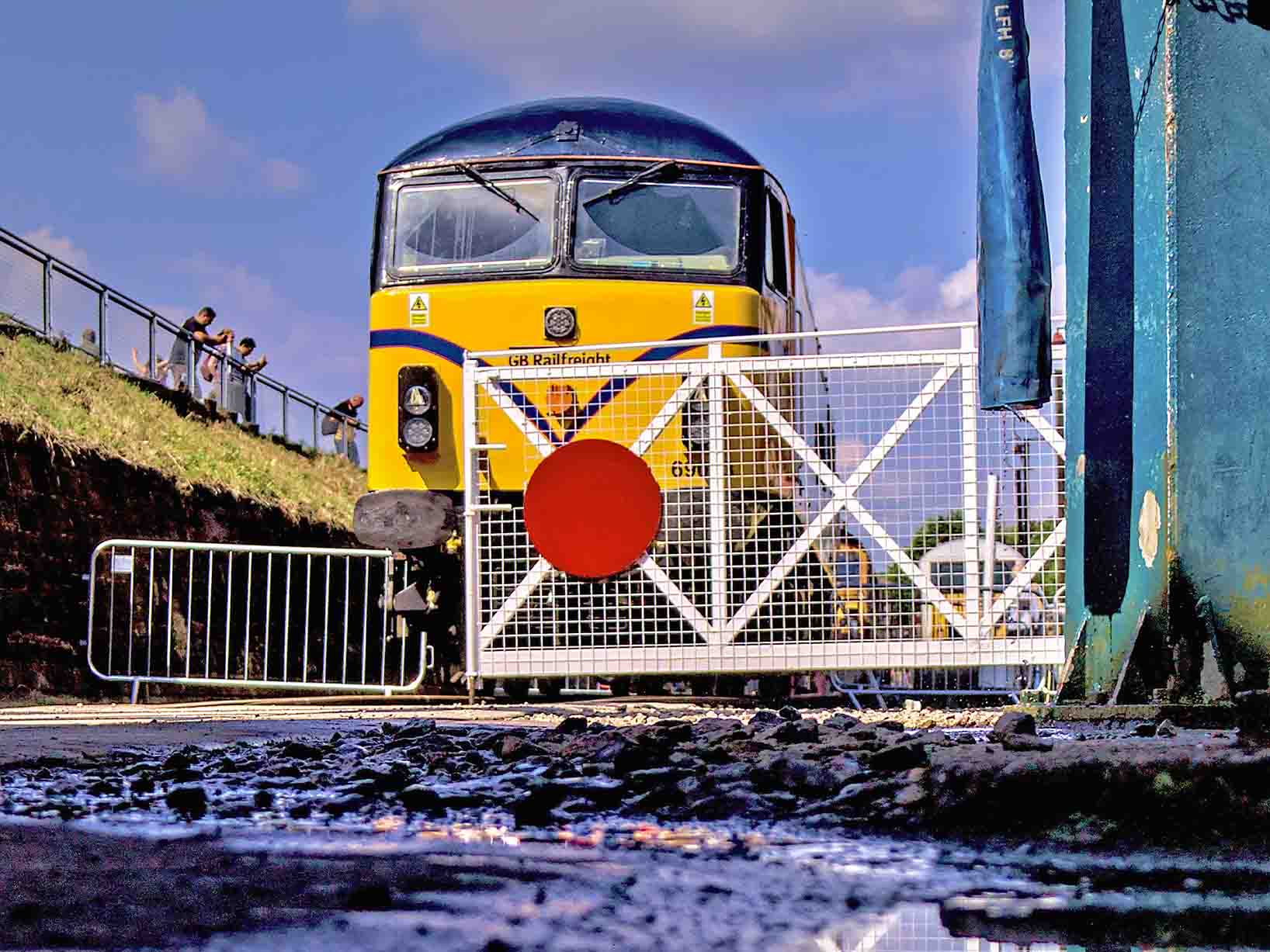
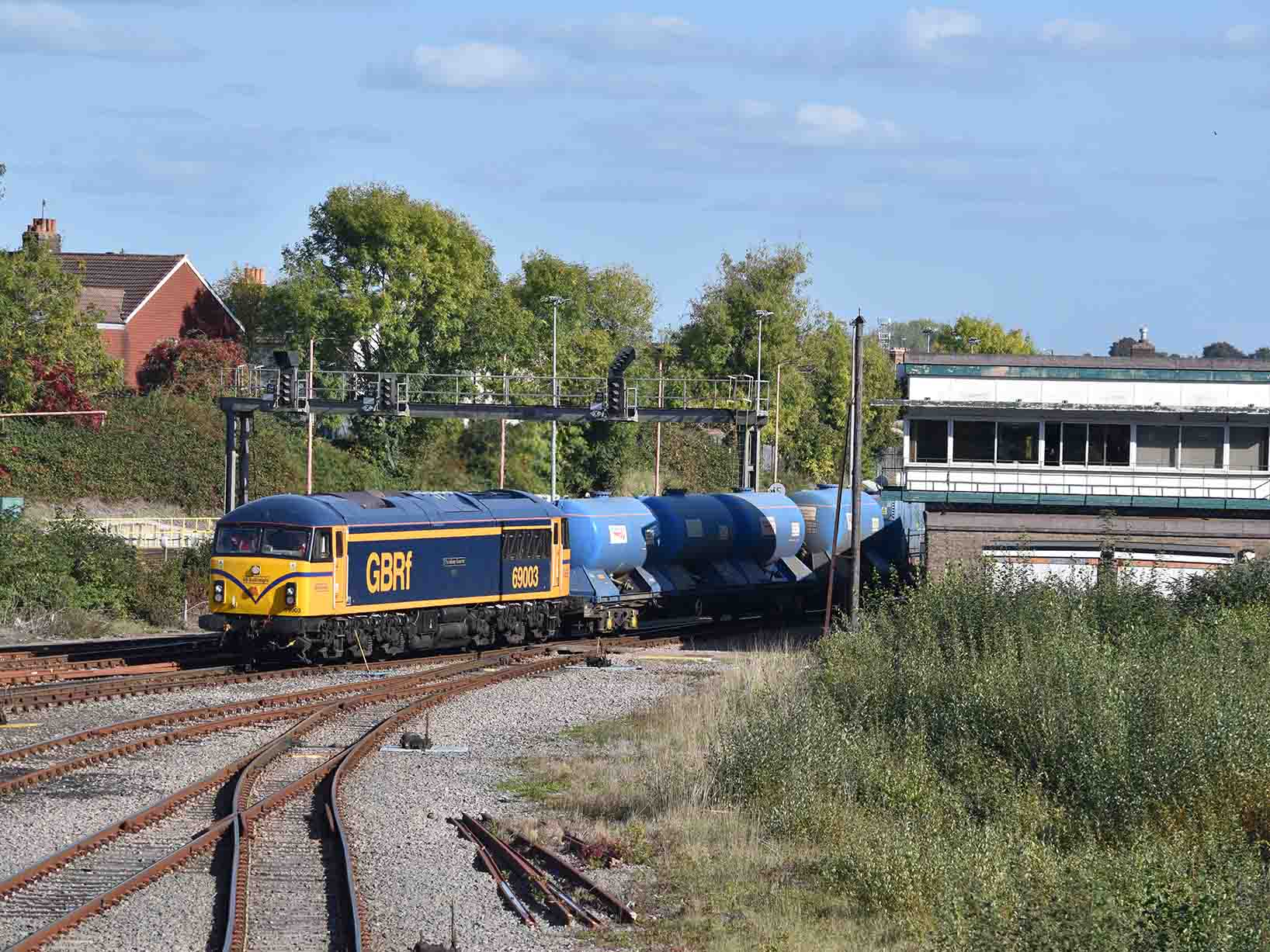
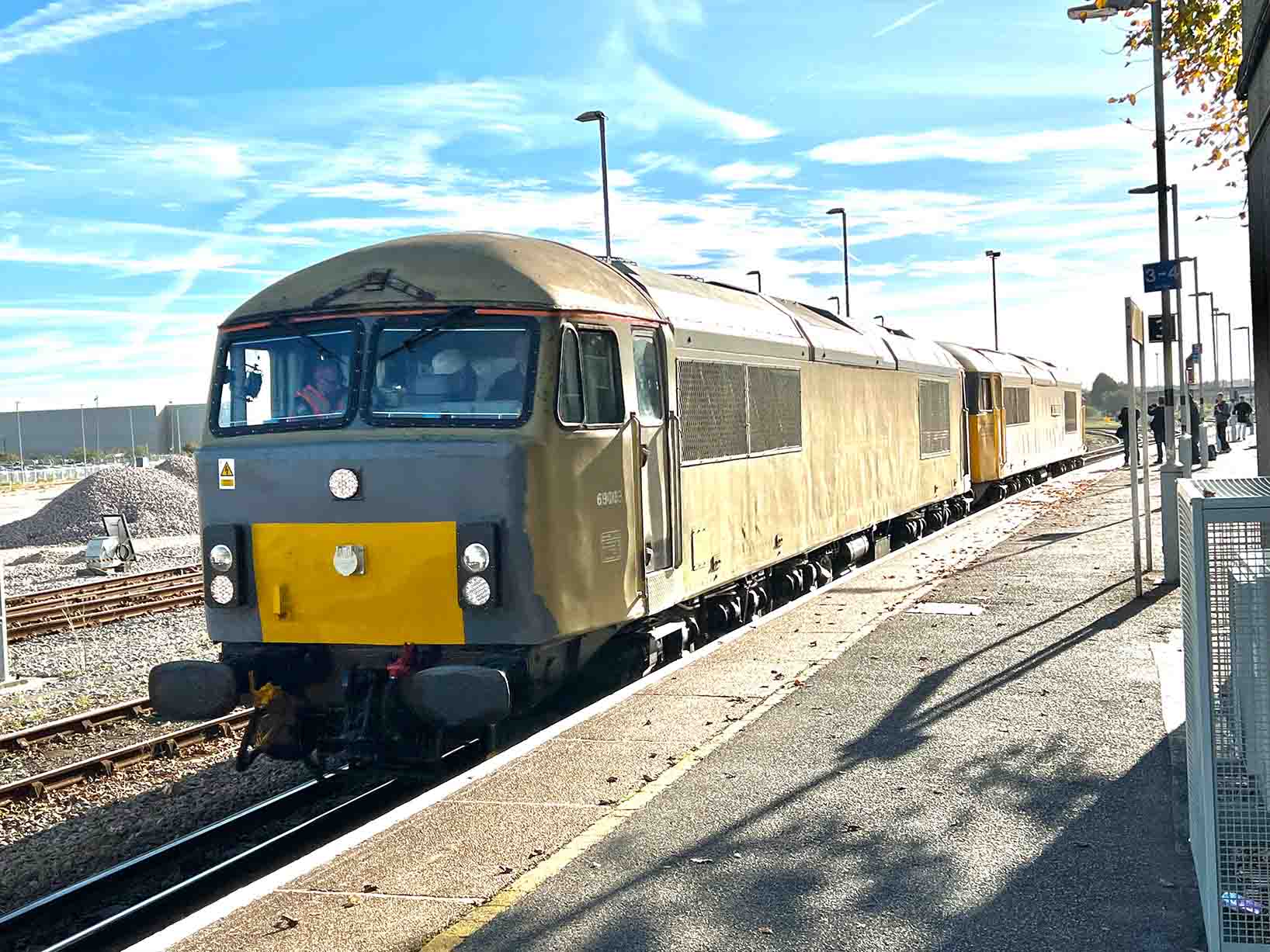
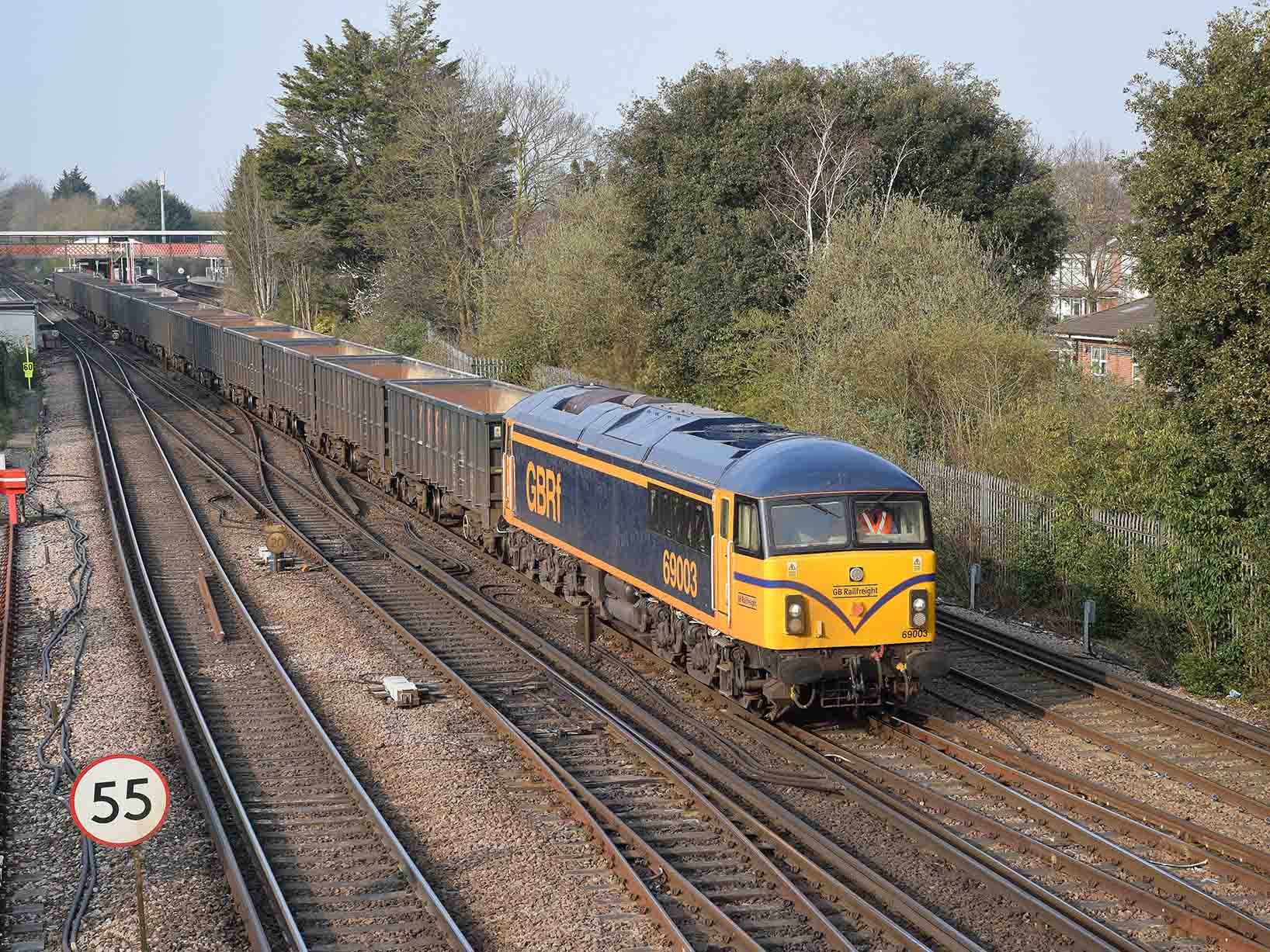
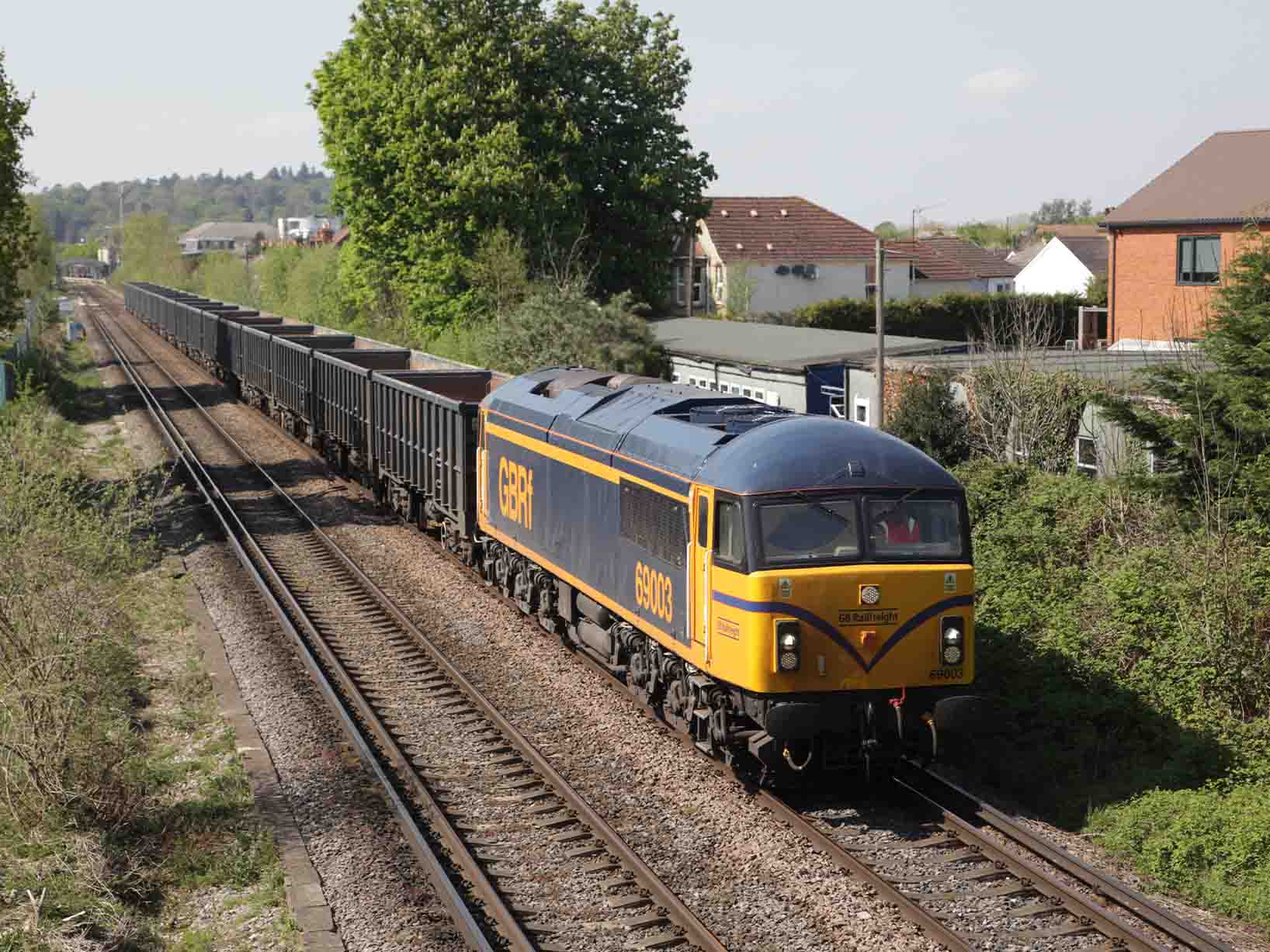
56018 was offered for sale in September 2010 but not reallocated to the DB Schenker ‘For Sale’ pool until December 2011 when it was sold to Europhoenix, then moved to Nemesis Rail, Burton-upon-Trent in February 2012 and reallocated to the Nemesis Rail pool. It was moved to Boden Rail, Washwood Heath in January 2013, reallocated to the MBDL (private and other owners) in May, remaining there until it was transferred to Brush Traction, Loughborough in 2014 for electrical repairs, reallocated to the ‘UK Rail Leasing stored locomotives’ pool in July 2015 and moved to Leicester LIP, probably at about that time. That was when the re-engineering project for a number of class 56s was first announced but it was only in June 2018 that GB Railfreight publicly confirmed which locomotives it had purchased for the project. After three months storage at Castle Donington between August and November, it was hauled to EMD, Longport in December. Stripping down for the conversion project started in January 2019, then in May its shell was moved to Marcroft, Stoke-on-Trent for bodywork preparation and returned to EMD in March 2020. Rebuilding was completed by August 2021, it was renumbered to 69003 and reallocated to a GBRf pool on 28th September, making its first main line test run the same day. It left EMD on 31st October and was hauled by a complicated route to Eastleigh Works, arriving there on 5th November. It emerged from there in GBRf original modified livery with ‘speed whiskers’, and moved to Tonbridge Yard for trials in service. After initially working on ice-clearing trains in January 2022 it took up regular service, often on Southampton Docks-Mountfield workings.
Class 69s are re-engineered class 56s retaining the bodyshell, drawbars, refurbished bogies and traction motors. Their original Ruston-Paxman engines have been replaced by EMD710 V12 turbocharged power units rated at 3,200 bhp as used in class 66s, EMD alternators and control systems. New auxiliary equipment and cab layout with controls compatible with class 66s have also been installed along with Multiple working equipment allowing the class 69s to work with 59003, class 66s and 73/9s. GB Railfreight’s Engineering Director has said that, even with further imported class 66s, the company still had a shortage of locomotives with re-engineering of class 56s to become class 69s a cost-effective option. The class 69s are owned by Progress Rail and leased to GB Railfreight. Other classes had been considered for conversion at the time, one reason for the choice of class 56s was that there were enough of them readily available. It should be noted that the concept of re-engineering older classes goes back to the early days of EWS, before it made the decision to buy new class 66s.
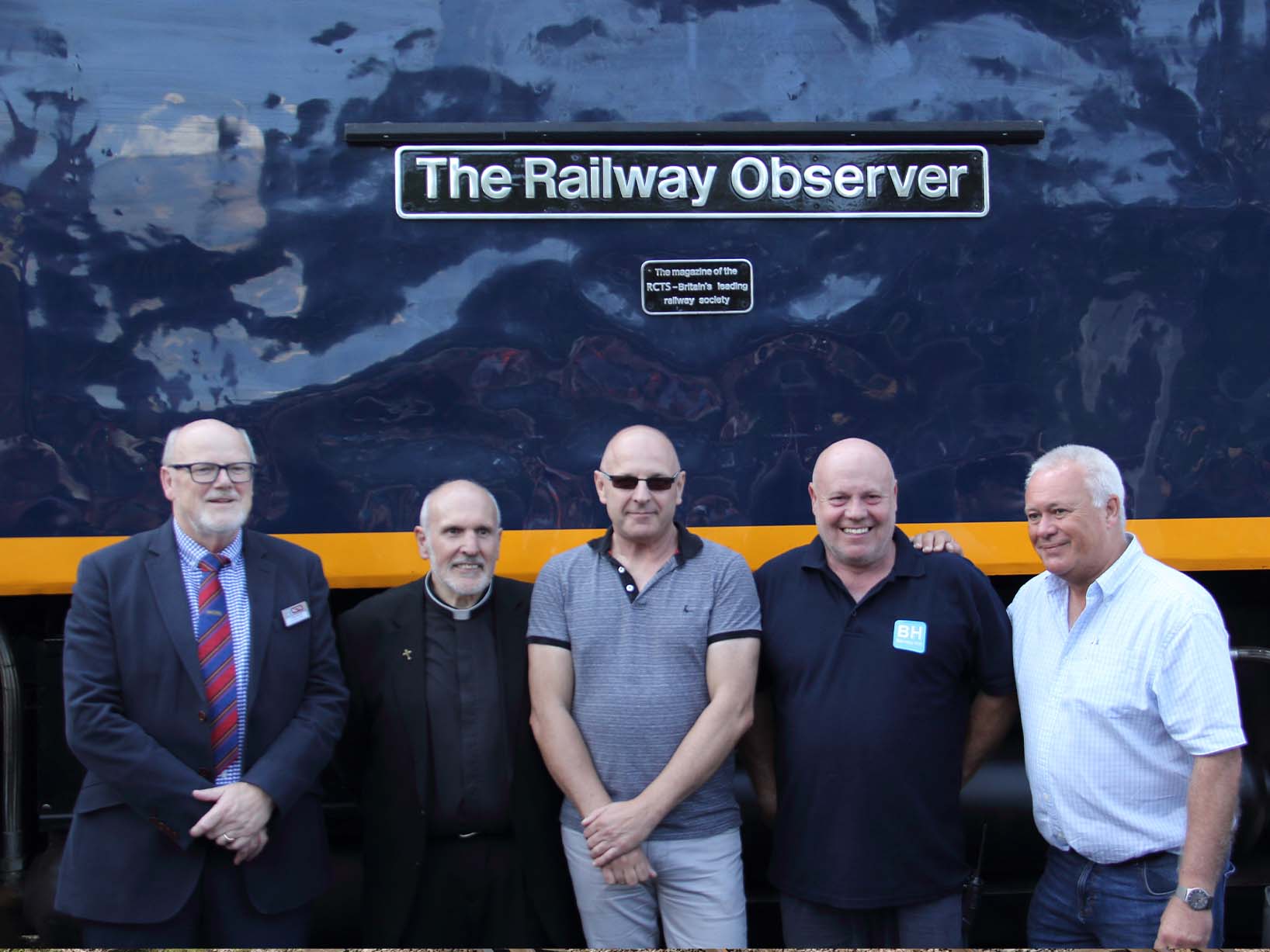
69003 was selected by GBRf for naming as The Railway Observer. It was named at Barrow Hill Round House on 27th August 2022 as part of a special open weekend. In 2026, along with several other class members it had a period in store but returned to service in July.
In May 2021 Sir Peter (now Lord) Hendy, Network Rail’s chairman, approached the Society’s then Chairman Callum Macleod. NR wanted to be able to rename HST car 43014 and proposed moving The Railway Observer nameplates to a GBRf class 66, with a later proposal that they might instead be fitted to a re-engineered class 69. New nameplates would be cast, originally planned to be funded by NR as the existing ones weren’t suitable for fitting onto a freight locomotive but subsequently funded by GB Railfreight and made by ProCast; whilst four members of the Society’s Strategy Group paid for new supplementary plaques, with ProCast using the template which had been used for 43014. 69003 was selected by GBRf with the naming ceremony taking place at a special open weekend at Barrow Hill depot on 27th August 2022, the Saturday events being organised by the Strategy Group and Barrow Hill Roundhouse. The special weekend also included Barrow Hill’s 150th Anniversary Gala, delayed two years by the Covid-19 pandemic. 43014’s nameplates were only removed that month and it hasn’t yet been renamed by NR.
The first formal event of the day was the unveiling of Society-owned B17/4 “Footballer” nameplates Sheffield United and Sheffield Wednesday, mounted on a wall in the cafeteria, by former Sheffield Wednesday players, now match commentator, John Pearson flanked by James Milne, then head of the Strategy Group, and David Cross, RCTS nameplate curator. Then at 13.00 the naming ceremony for 69003 commenced, the naming party consisting of Professor Mark Robinson, chairman of Barrow Hill Roundhouse Trust, Mervyn Allcock, general manager of Barrow Hill Roundhouse, Bob Tiller, engineering strategy director of GB Railfreight, RCTS President Canon Brian Arman and then Strategy Group head James Milne. The unveiling of the nameplate was performed by the RCTS President. For more details see the October 2022 issue of The Railway Observer. About 1,000 people attended on the Saturday including at least 150 RCTS members, possibly as many as 250 with families being covered by a member’s card.