Gallery-BarrowHill
-
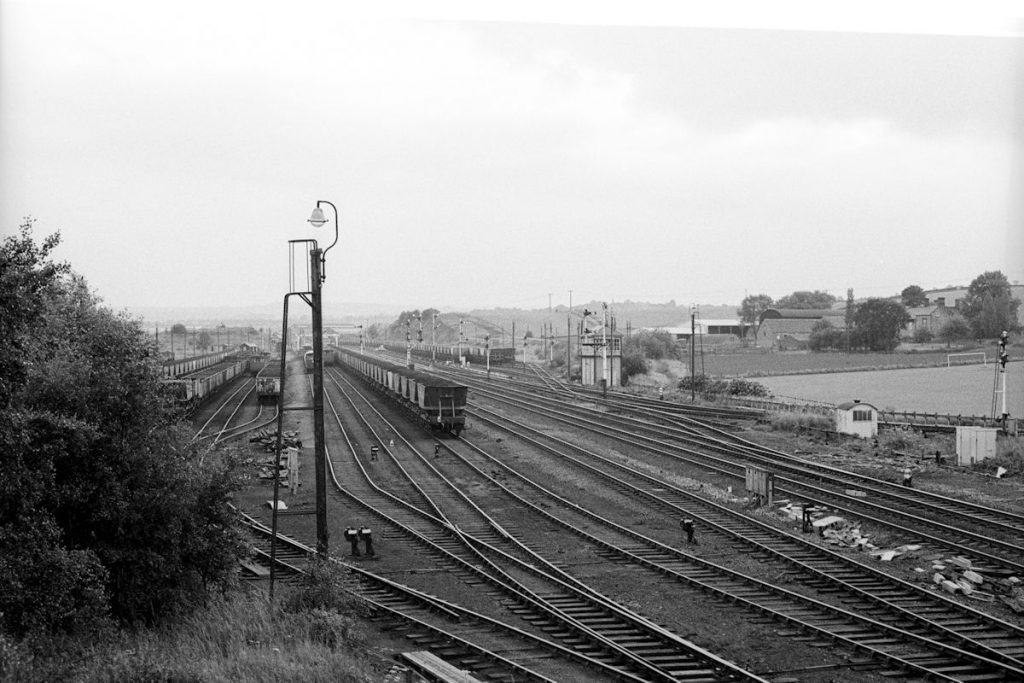
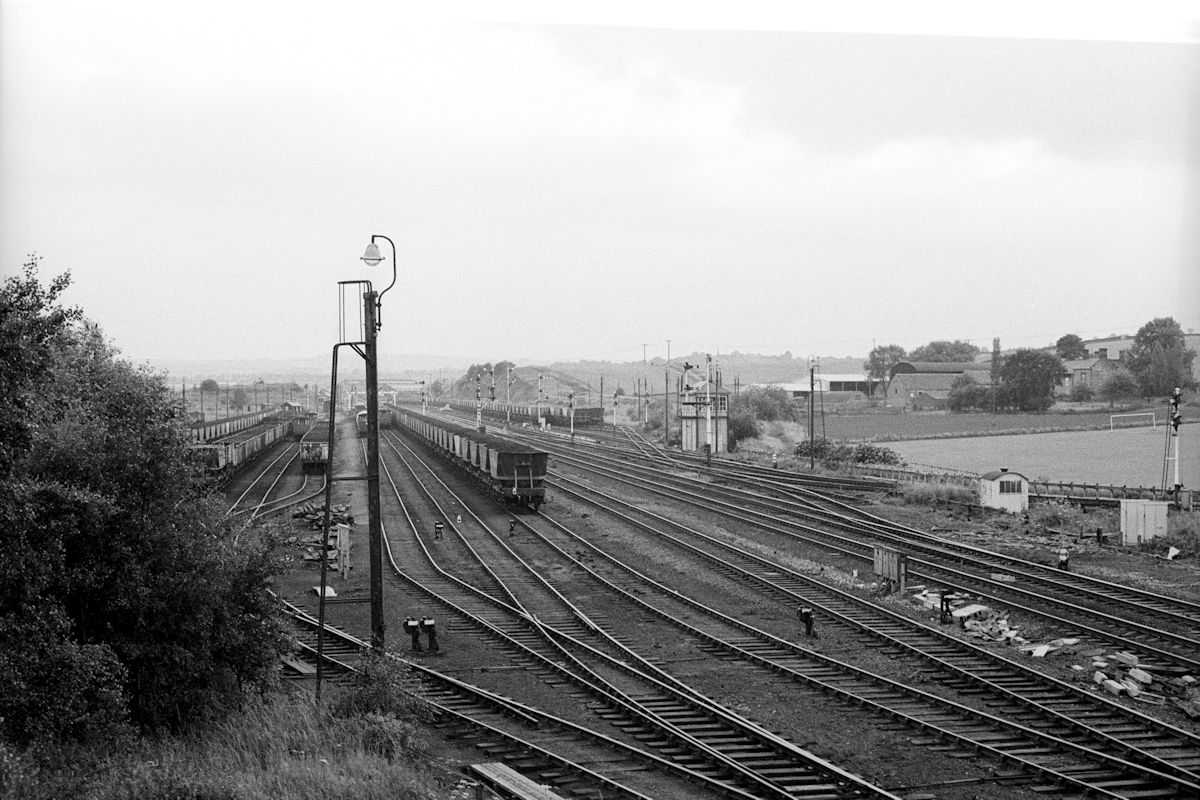
- A view of Barrow Hill Yard on 28th June 1981, before resignalling and rationalisation in the Autumn/Winter of 1981. On the far right the branch from the deport can be seen (the Springwell Branch, after a colliery it used to serve). Barrow Hill South Box can be seen where the branch joins the Main Line. The Down Sidings and Up Sidings are on either side of the Main Line, which is flanked by Goods Lines worked as Permissive Block. The three Up Reception sidings can be seen and to their left are the Up sidings. In the distance to the left of the ladder on the lamp post, Barrow Hill Up Sidings Box can just be made out. Photo: Alan Jones.
-
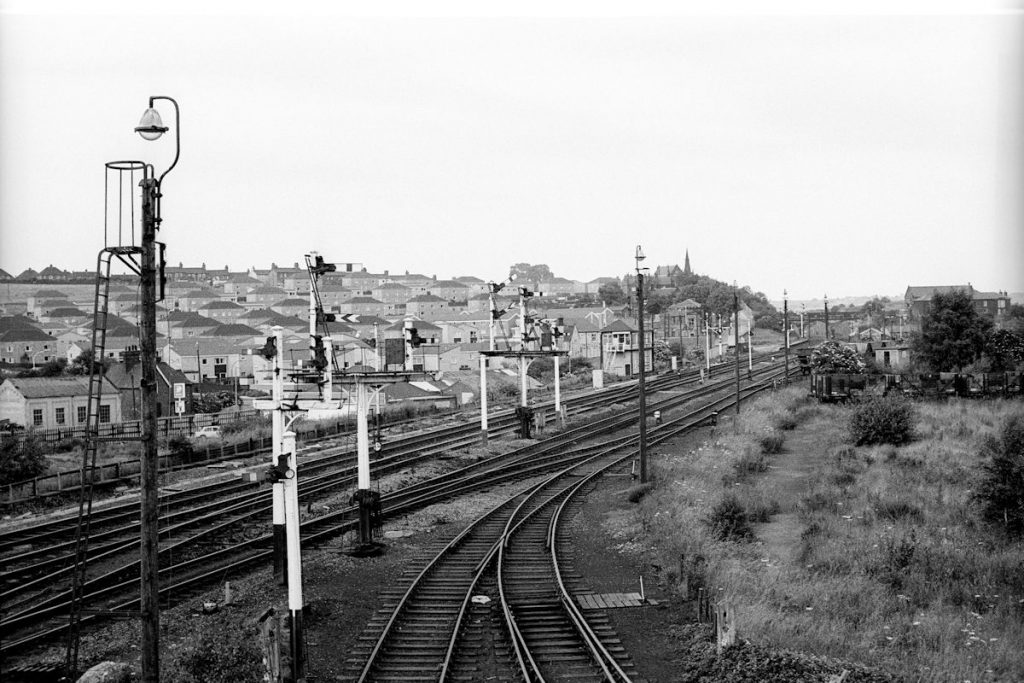
- A view North from the footbridge over the lines to Staveley Works shows Barrow Hill Junction Box and the station platform in the distance. The Up and Down Main Lines run past the Box. To the right of these is the single line from Hall Lane Junction which became the Up Goods Line at Barrow Hill Junction. The fourth line was a Shunting Line to allow traffic to and from Staveley Works to access the Main Line via a reversal. The Shunting Line used to give access to the former Summit Sidings which by this time had closed. Photo: Alan Jones.
-
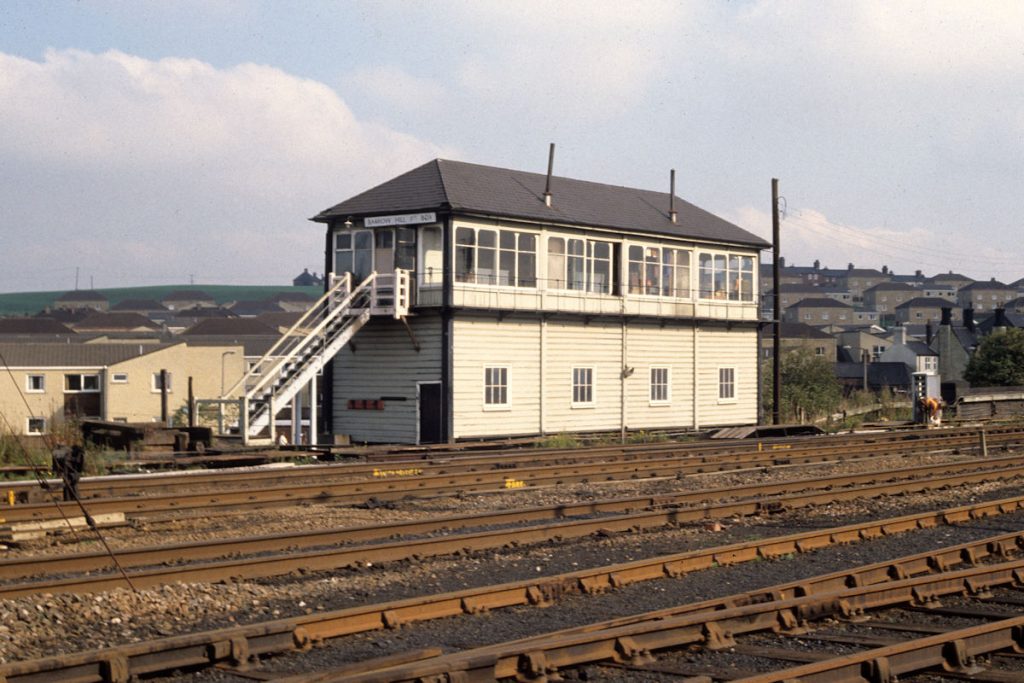
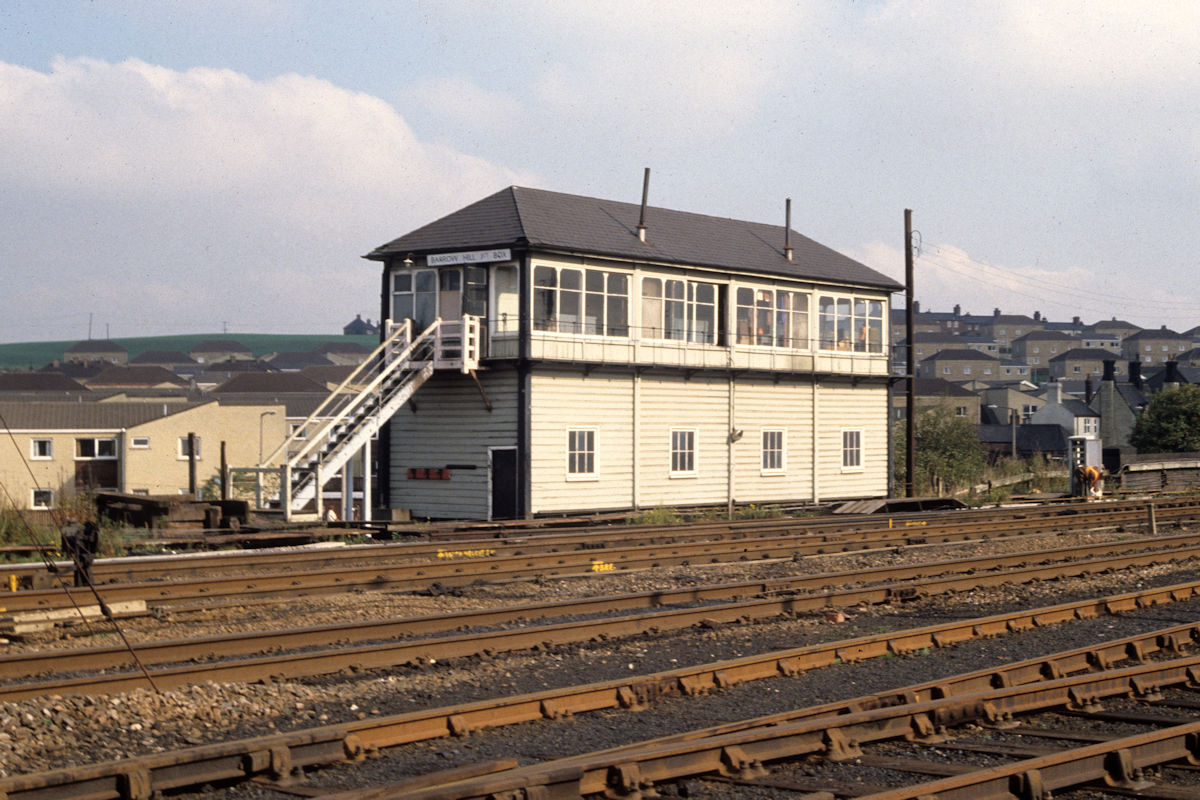
- Barrow Hill Junction, seen on 4th October 1981, was a large and important signal box with a 100 lever frame that controlled the junction of the Old Road and the line to Seymour Junction, as well as access to and from the North end of the Up Yard. At Seymour the line further divided to serve Markham Colliery, Bolsover Colliery and Coalite and in the other direction Oxcroft Colliery and the through route via Clowne to Elmton and Creswell. Photo: Alan Jones.
-
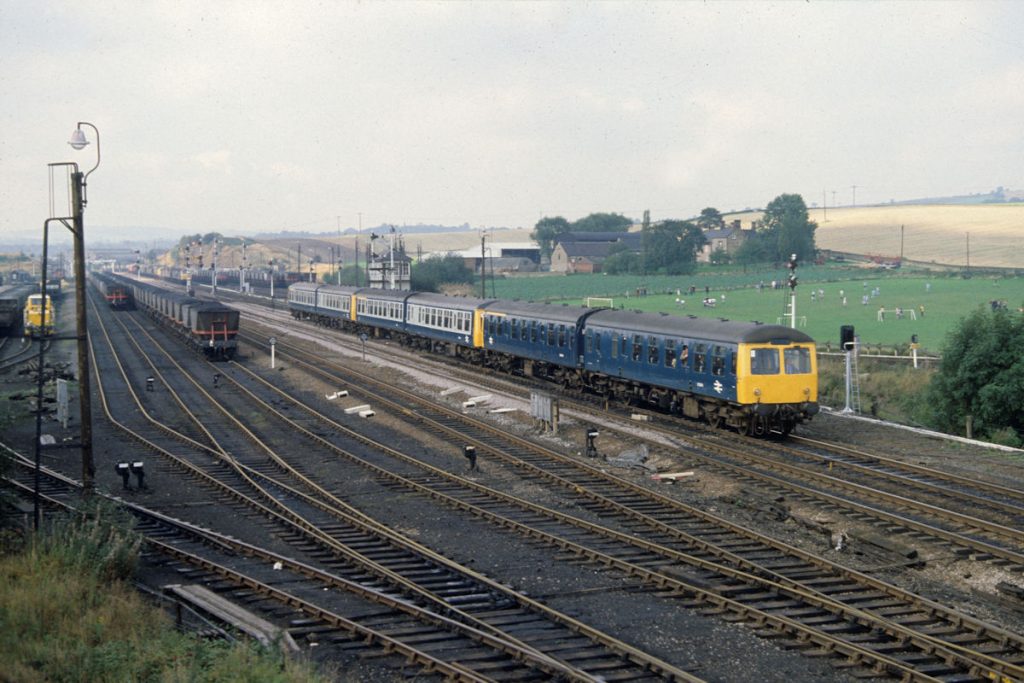
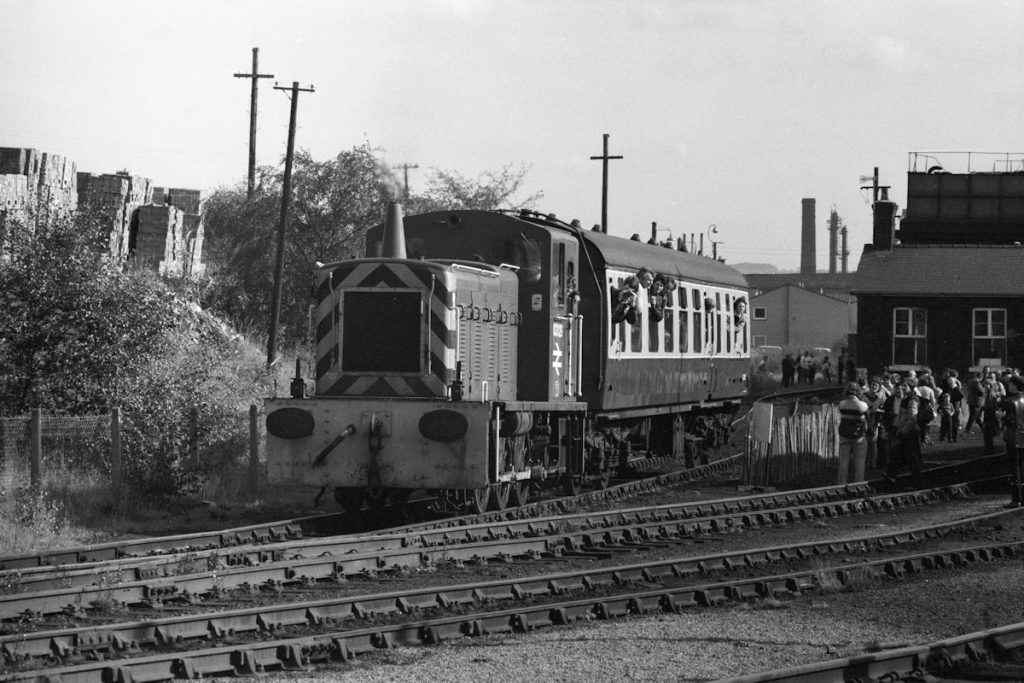
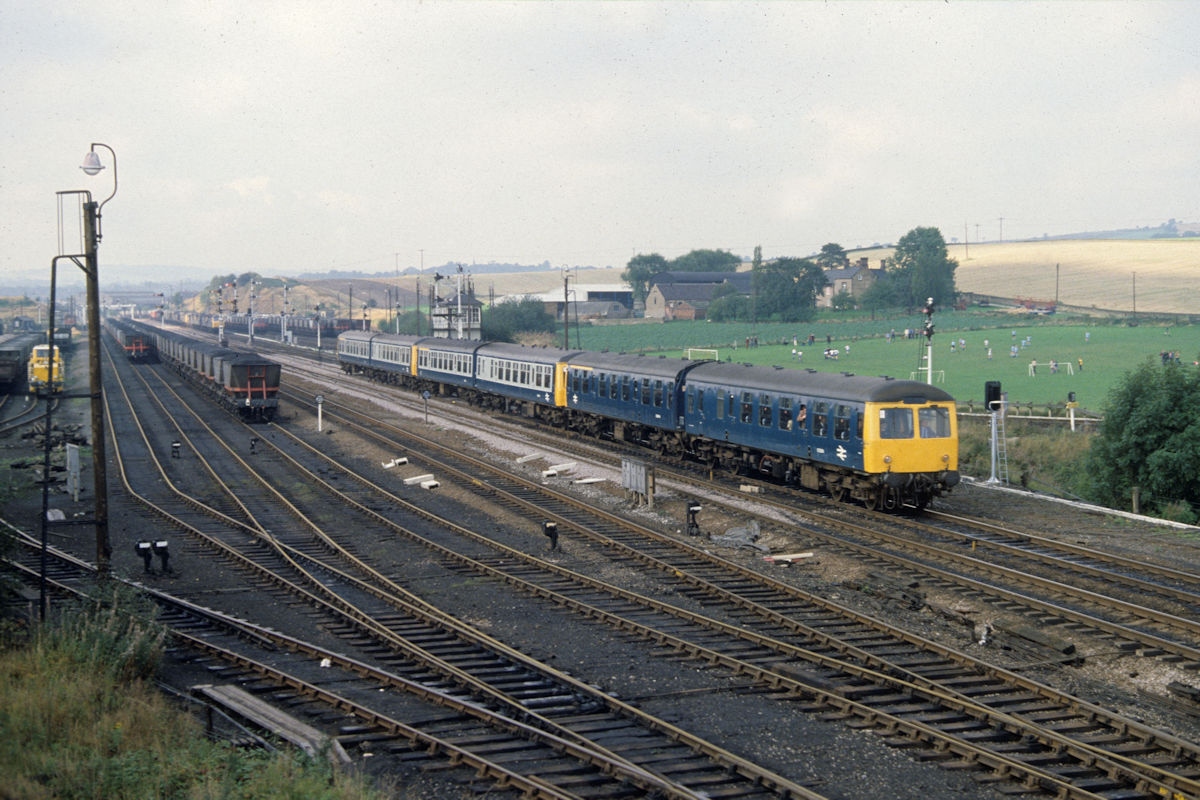
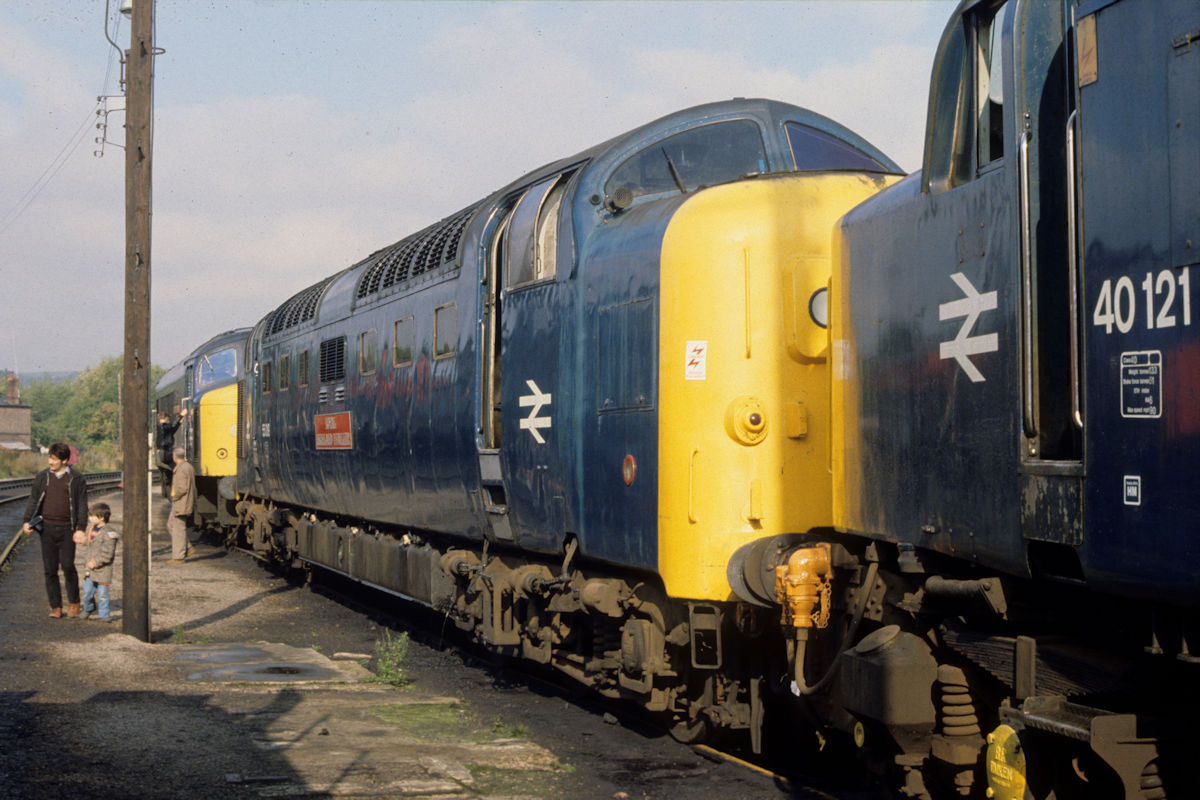
- British Rail ran a shuttle between Chesterfield and Barrow Hill for the depot’s Open Days. On October 4th 1981, Cravens set E51284 + E56454 leads the formation into Barrow Hill station. Much to the chagrin of local spotters, many of the regular locomotives were moved out of the depot during the Open Day weekend and parked in the Down Sidings, seen between Barrow Hill South Box (behind the fourth carriage) and Barrow Hill Up Sidings Box (at the far end of the Up Sidings, partly obscured by the ladder on the lamp post at the far left of the picture). Photo: Alan Jones.
-
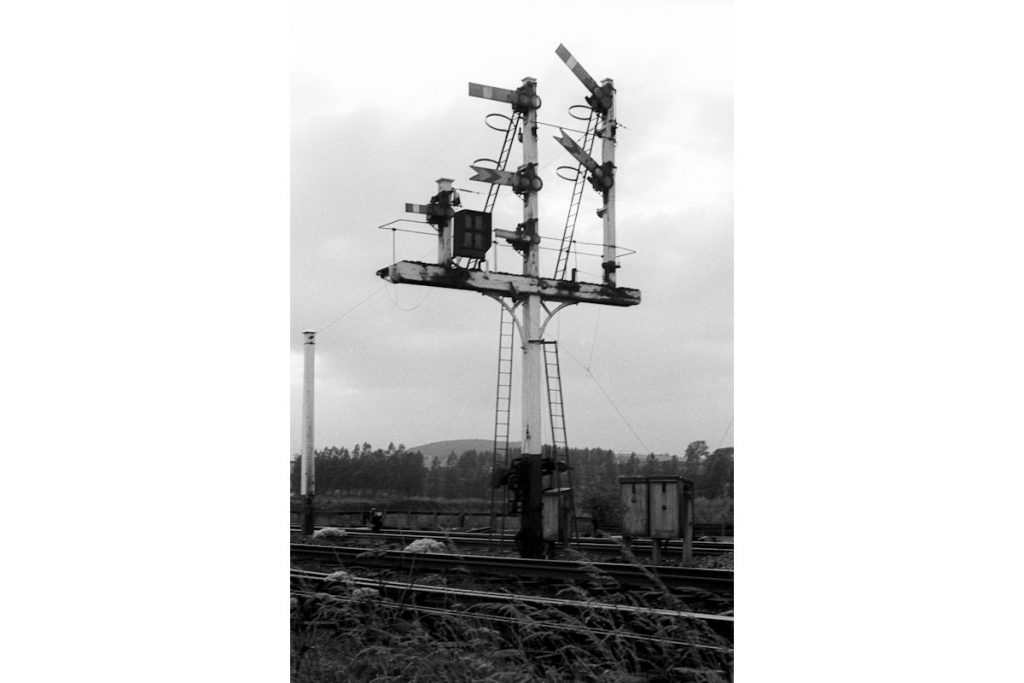
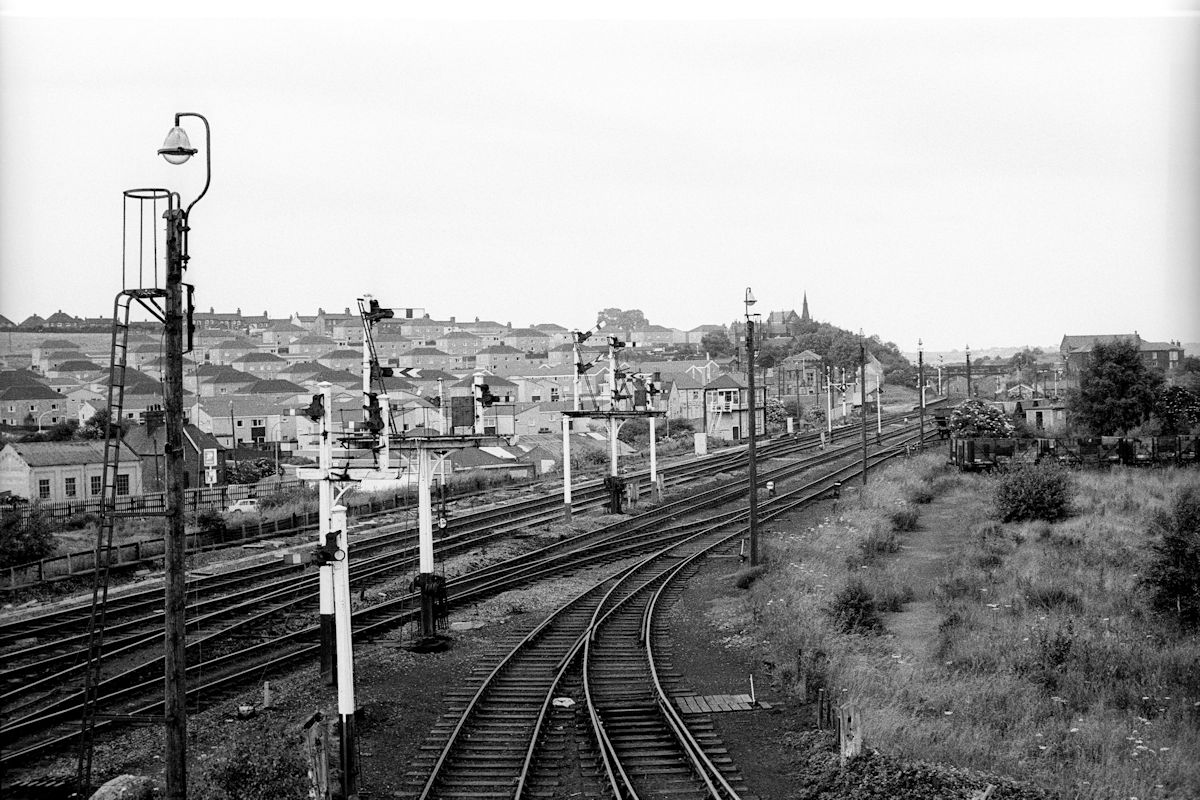
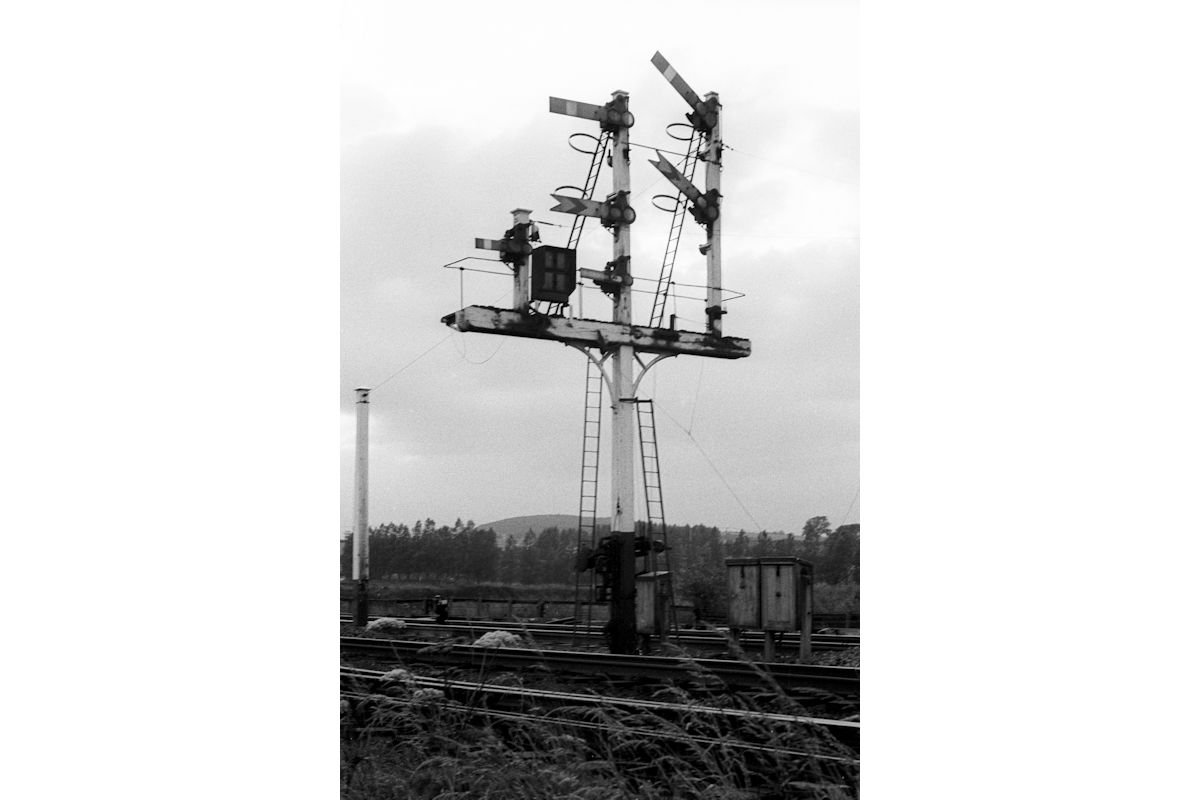
- Barrow Hill Junction’s signal 85 (on the right, in the Off position, with Barrow Hill South’s Up distant No. 4 below it) was the Up Main starting signal. In the centre, signal 27 (with a fixed distant for a second connection from the Up Main to the Up Goods line below it) controlled access from the Up Main to the Up Goods Line and a calling-on arm below to control access into the Permissive Block section on receipt of a 2-4-2 Line Occupied Acceptance from Barrow Hill South. The subsidiary signal on the left with the 4-route indicator controlled access to the three Reception Lines and the Up Sidings, operated by levers 28-31 and showing the indications 1, 2, 3 and S respectively. Photo: Alan Jones.
-
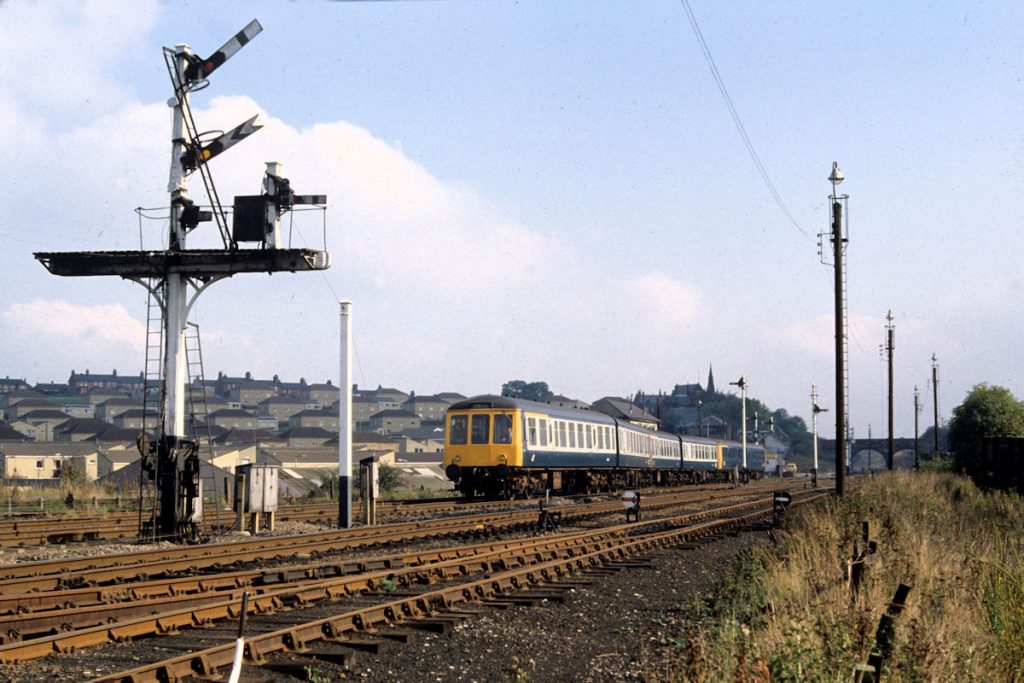
- Having dropped off visitors at Barrow Hill station for the Depot Open Day on 4th October 1981, BR Class 114 set E56015/E50015 crosses over onto the Up Main and returns to Chesterfield for the next run. Photo: Alan Jones.

-
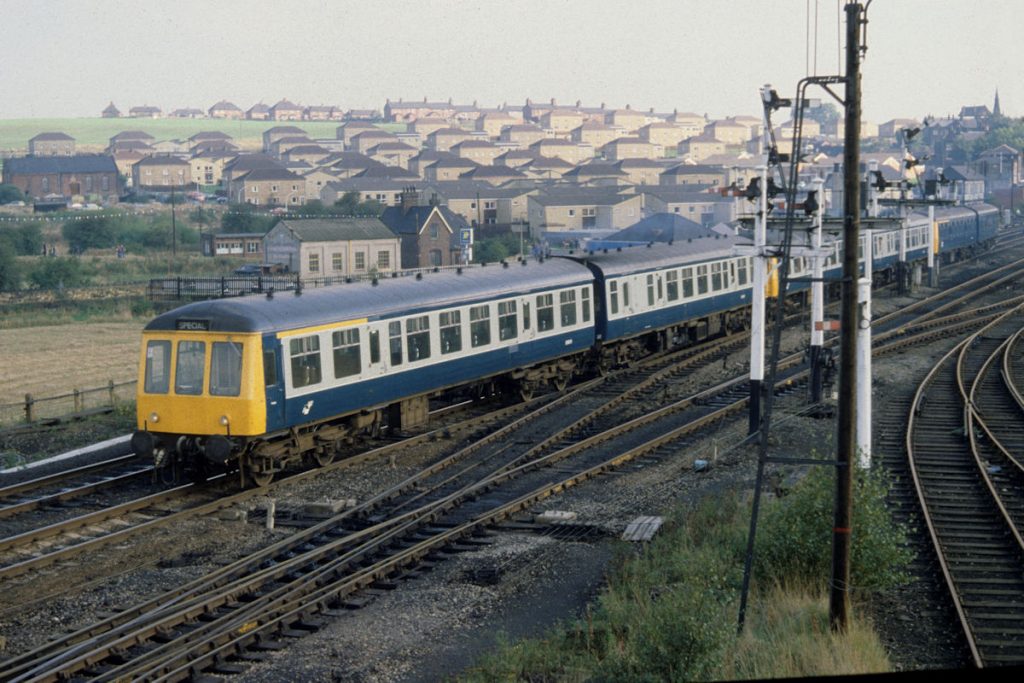
- The six-car Open Day shuttle heads back to Chesterfield station to collect more visitors to the Depot on 4th October 1981. Photo: Alan Jones.

-
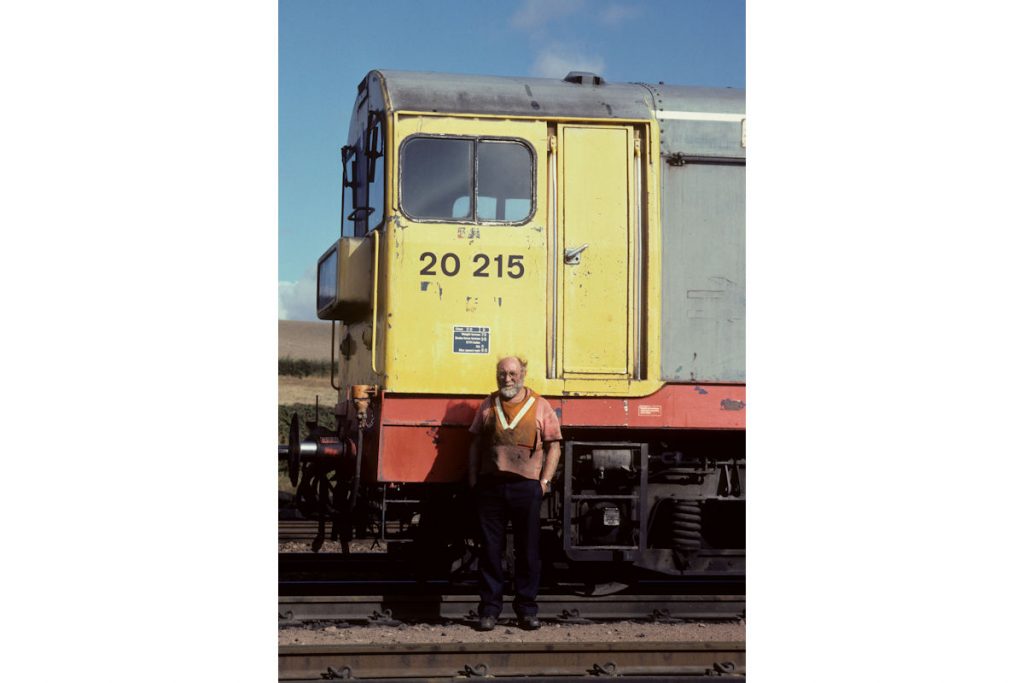
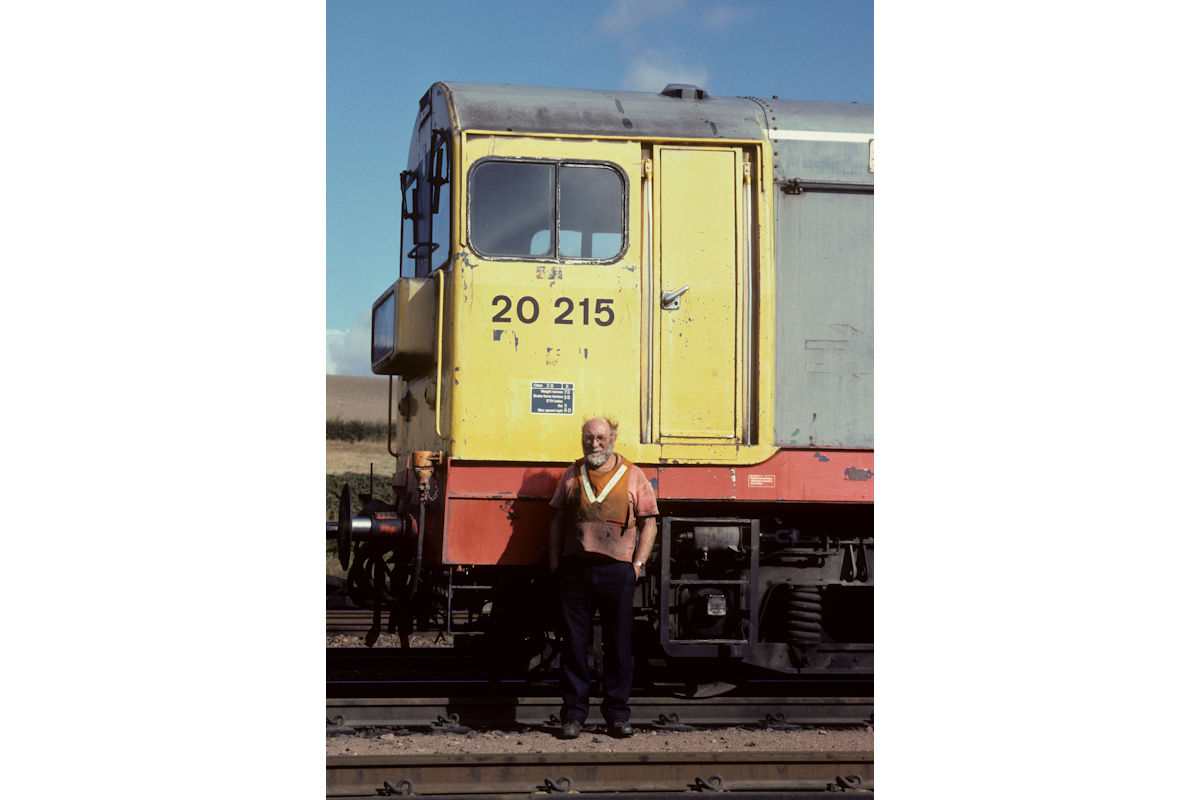
- No coverage of Barrow Hill would be complete without mention of one of the Depot’s best-loved characters. Joe Denston was a guard at Barrow Hill and latterly a Train Preparer in the Up Sidings (seen here). He was a warm, affable man who loved the Railway and loved to share his knowledge and experiences. Joe was a key figure in the early days of the Barrow Hill Engine Shed Society and all who enjoy the facilities today have much to thank him for. He passed away in the early 2000s and is greatly missed. 21st September 1990. Photo: Alan Jones.
-
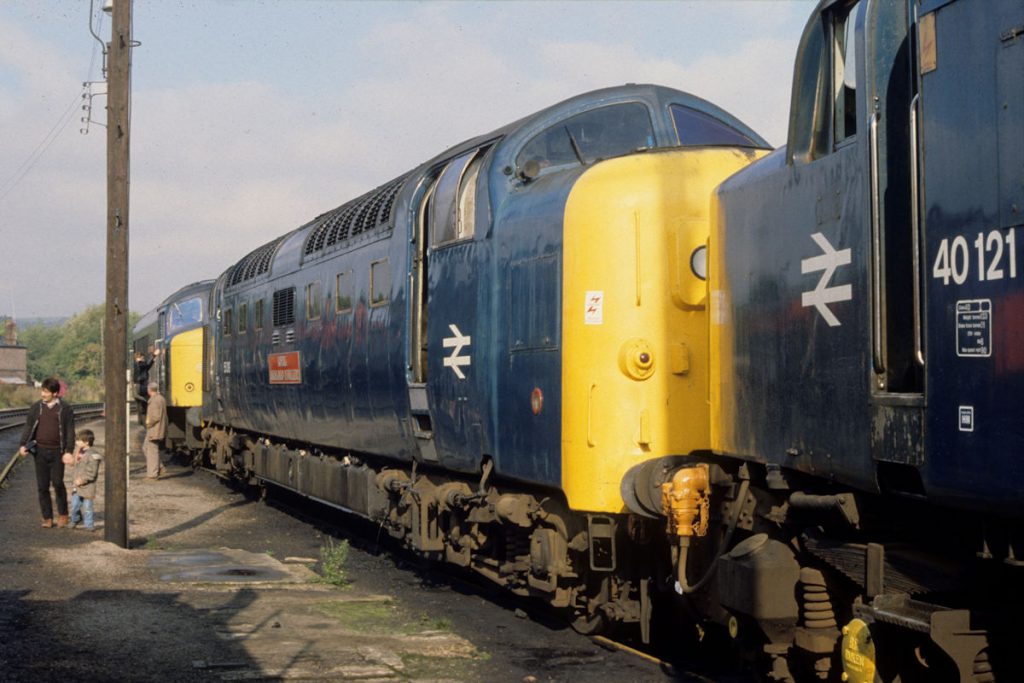
- English Electric magnificence is seen at the 1981 Barrow Hill Open Day in the form of Class 55 Deltic No. 55019 ‘Royal Highland Fusilier’ and Class 40 No. 40121. The line-up is completed by BR-built Class 45 No. 45048 ‘The Royal Marines’. Photo: Alan Jones.
-
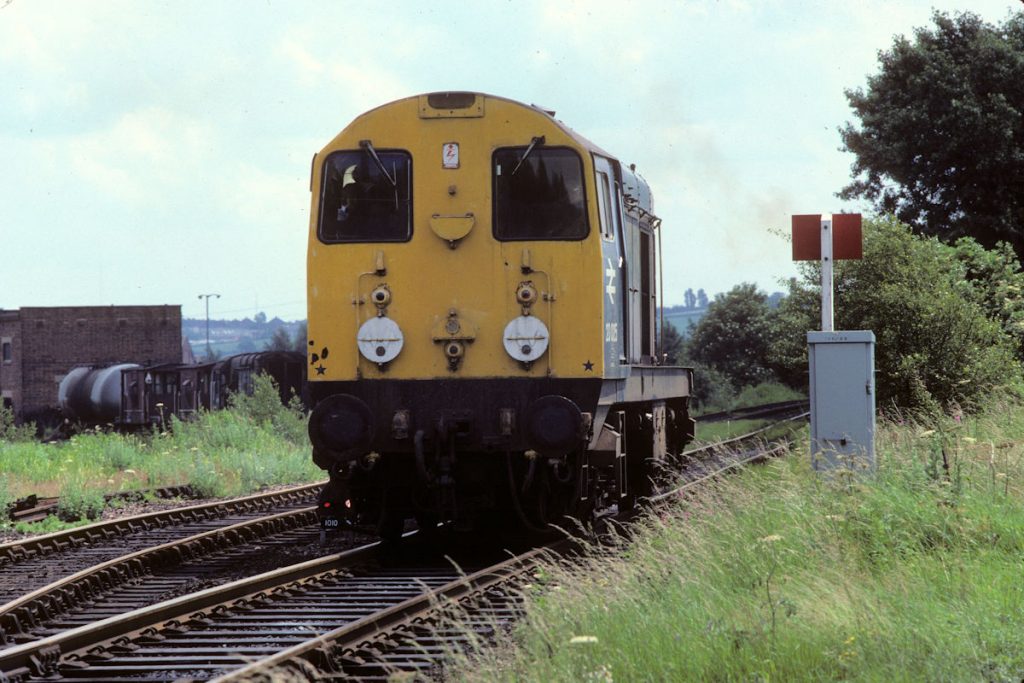
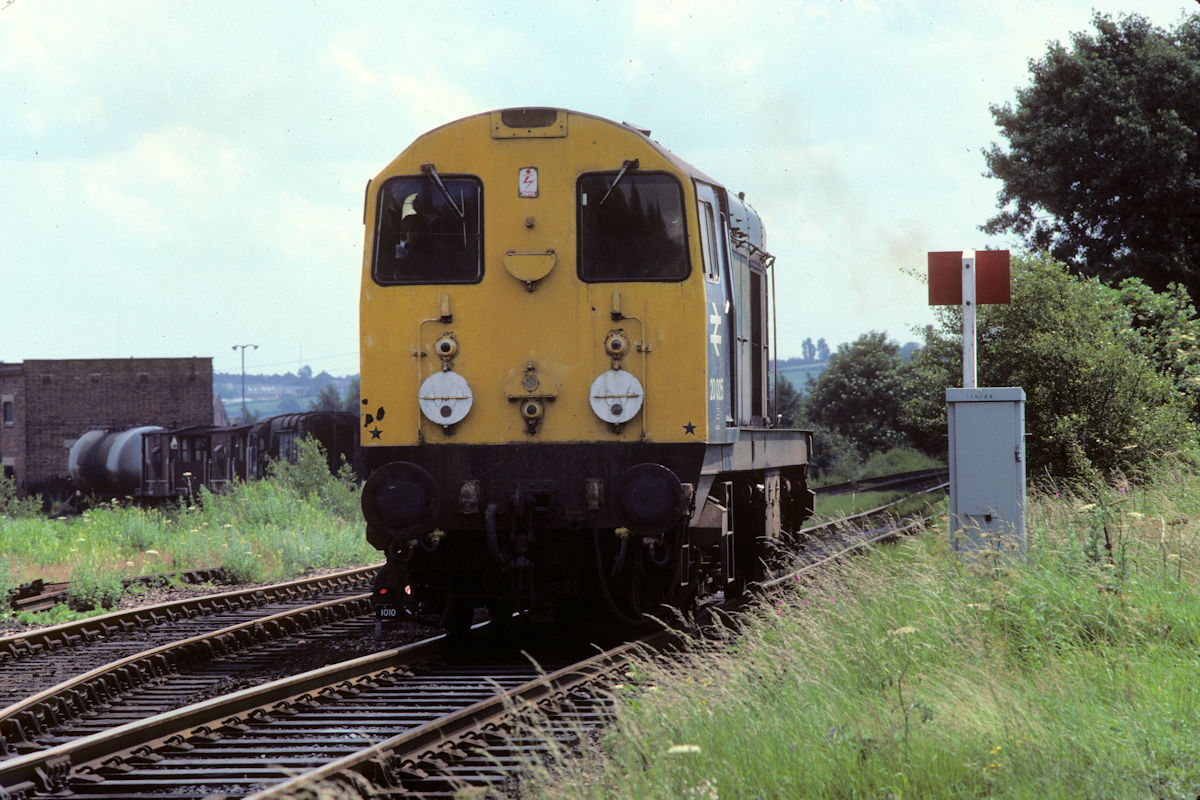
- Single Class 20s were unusual in the area, and were most often found working trips to and from Bolsover Coalite. On the 30th June 1982, 20025 approaches the depot at the end of its duties. To the left can be seen 08868 which is ready to take the afternoon trip to Chesterfield Tube Works. Photo: Alan Jones.
-
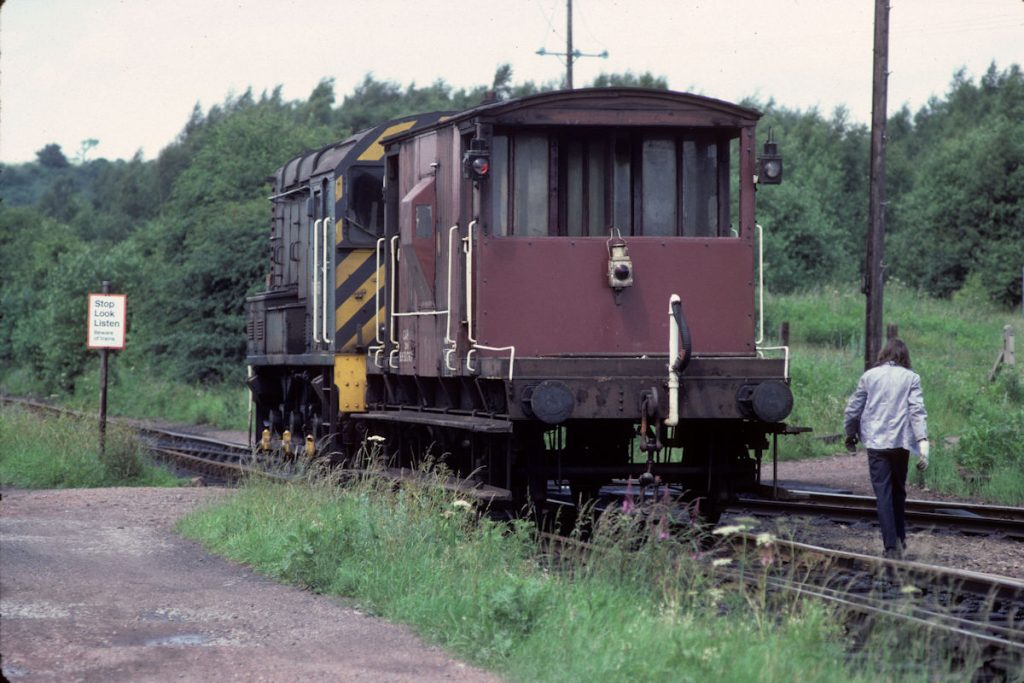
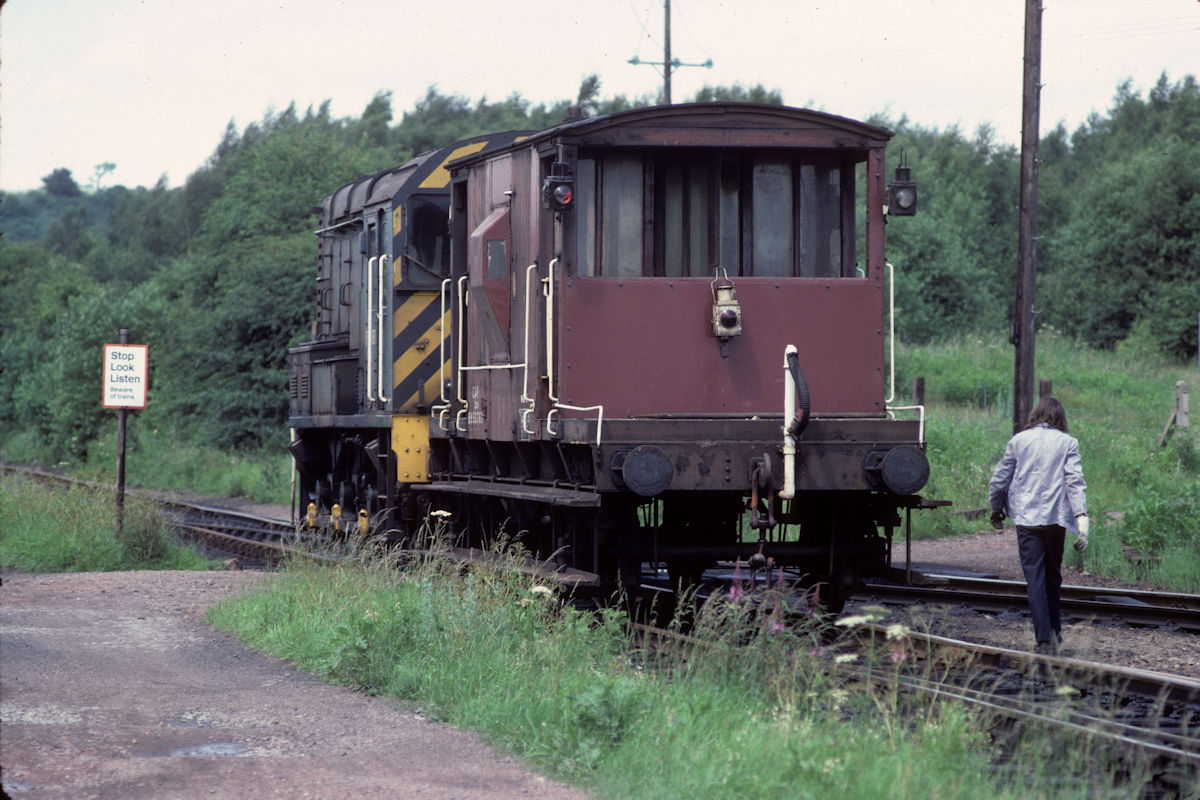
- 08868 has drawn forward out of the sidings and is ready to propel round to the Old Road. It will then cross over to the Up Sidings, collect the empties for the Tube Works (most often a couple of 16 ton MCV wagons) and head down to Chesterfield. 30th June 1982, Photo: Alan Jones.
-
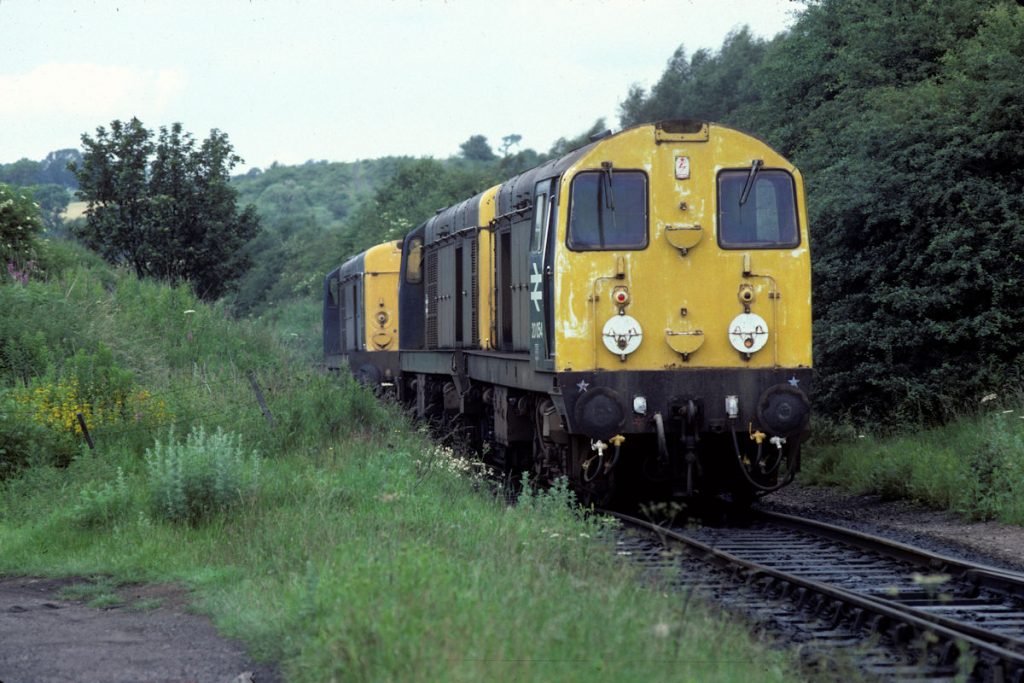
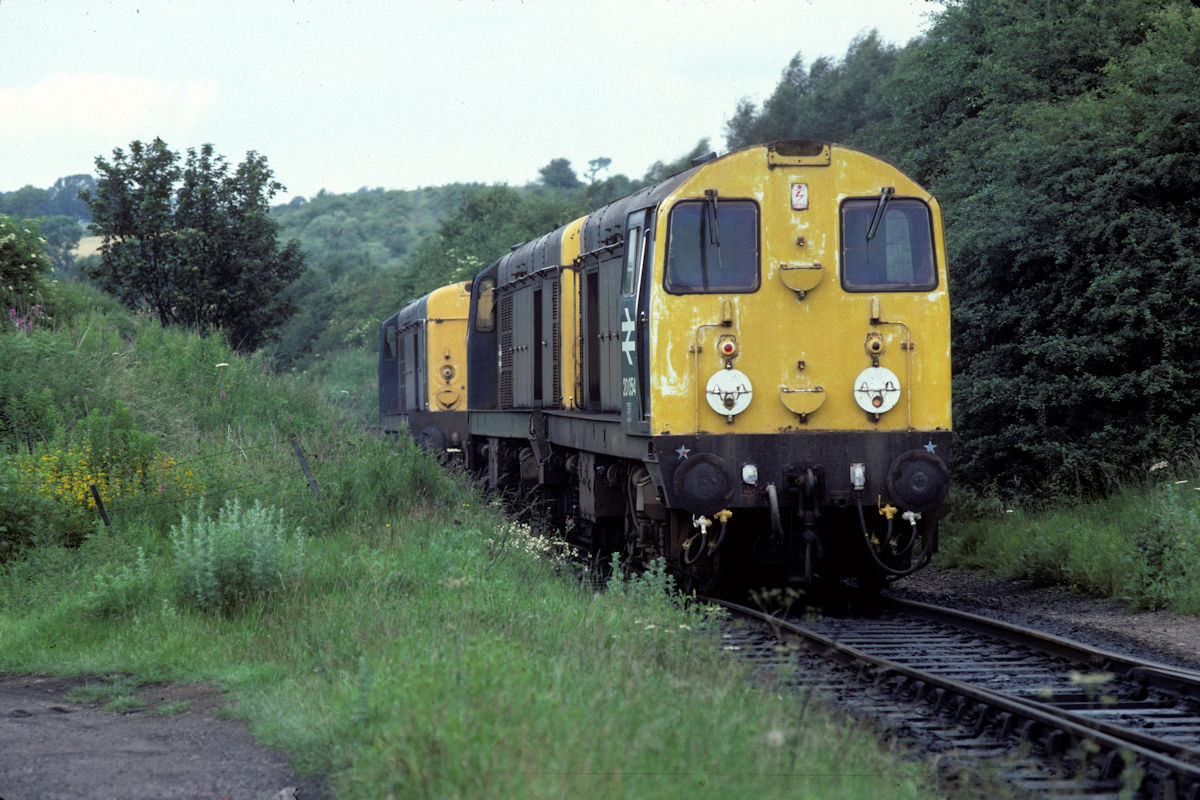
- Whilst 20025 was in the headshunt returning to the Depot, it was joined by 20054 and 20096 (all Tinsley locomotives). The signalling controlling movements on and off the shed (by this time under Sheffield Power Box) applied only to the spur round to the Old Road so it was possible to have multiple engines in the headshunt and the drivers just agreed between themselves who did what. 30th June 1982. Photo: Alan Jones.
-
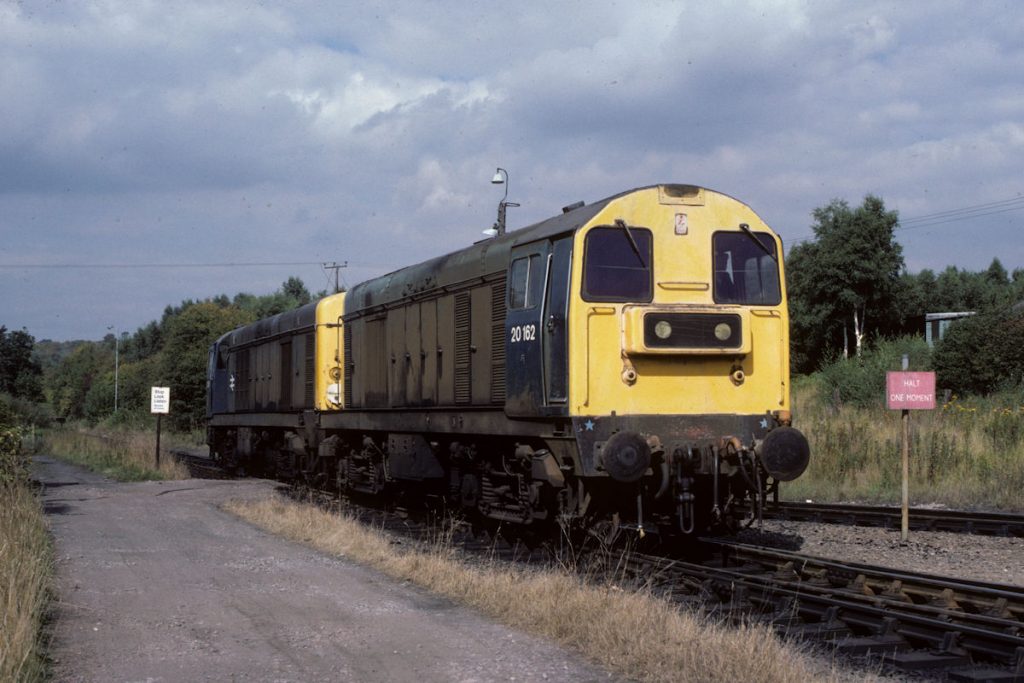
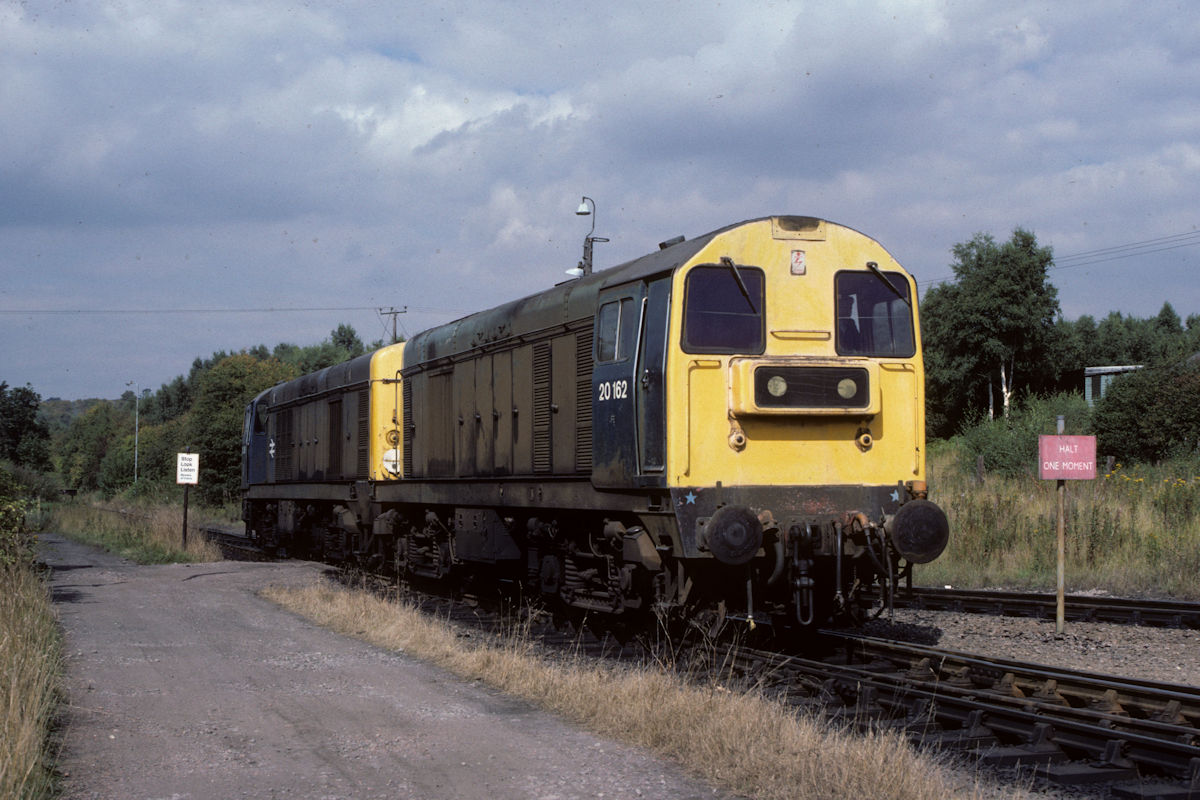
- Another pair of Tinsley 20s arrives on shed on 17th September 1986 as 20162 and 20066 pass the depot’s famous ‘Halt One Moment’ sign. This type of weathering was typical of many locomotives – fairly clean yellow ends but very dirty, oily sides covered with diesel and brake dust. Photo: Alan Jones.
-
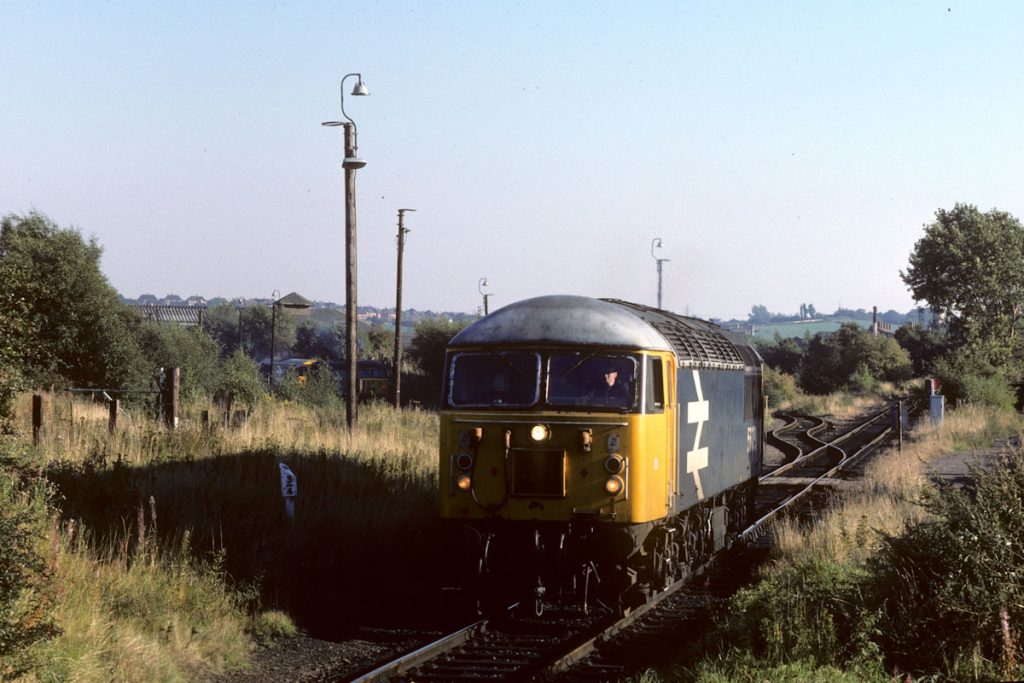
- Early evening with the sun round in the West gave a very pleasant view of movements on and off the shed. On September 19th 1986, large-logo liveried 56089 comes off the shed and pauses to reverse. A 56 and a 58 can be seen on shed to the left, whilst in the background some chimneys from Staveley Works can be seen above the treeline. Photo: Alan Jones.

-
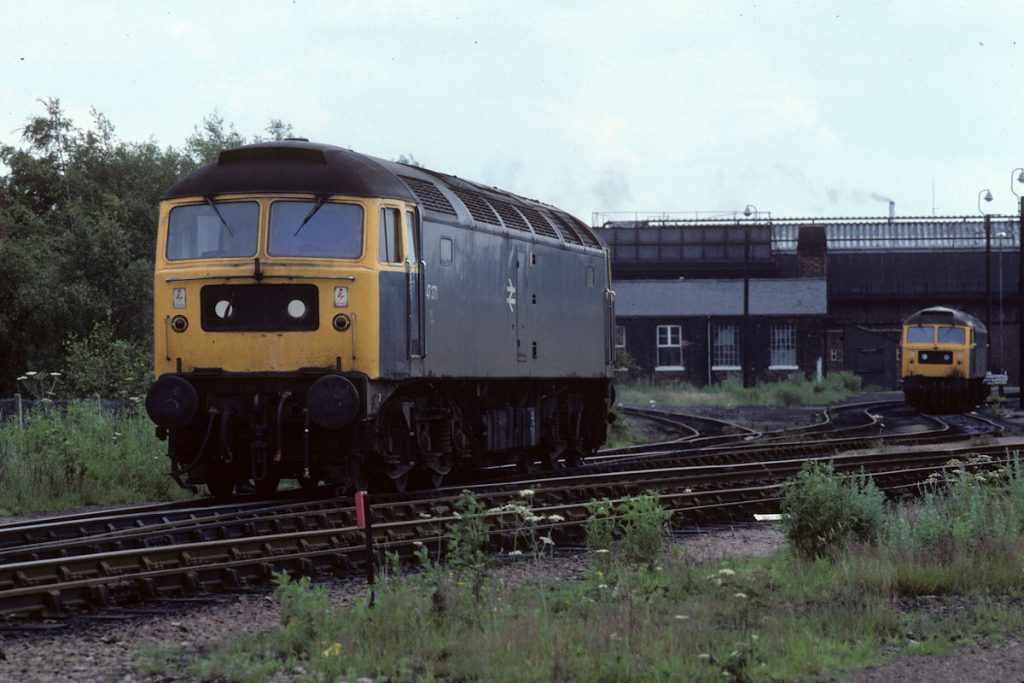
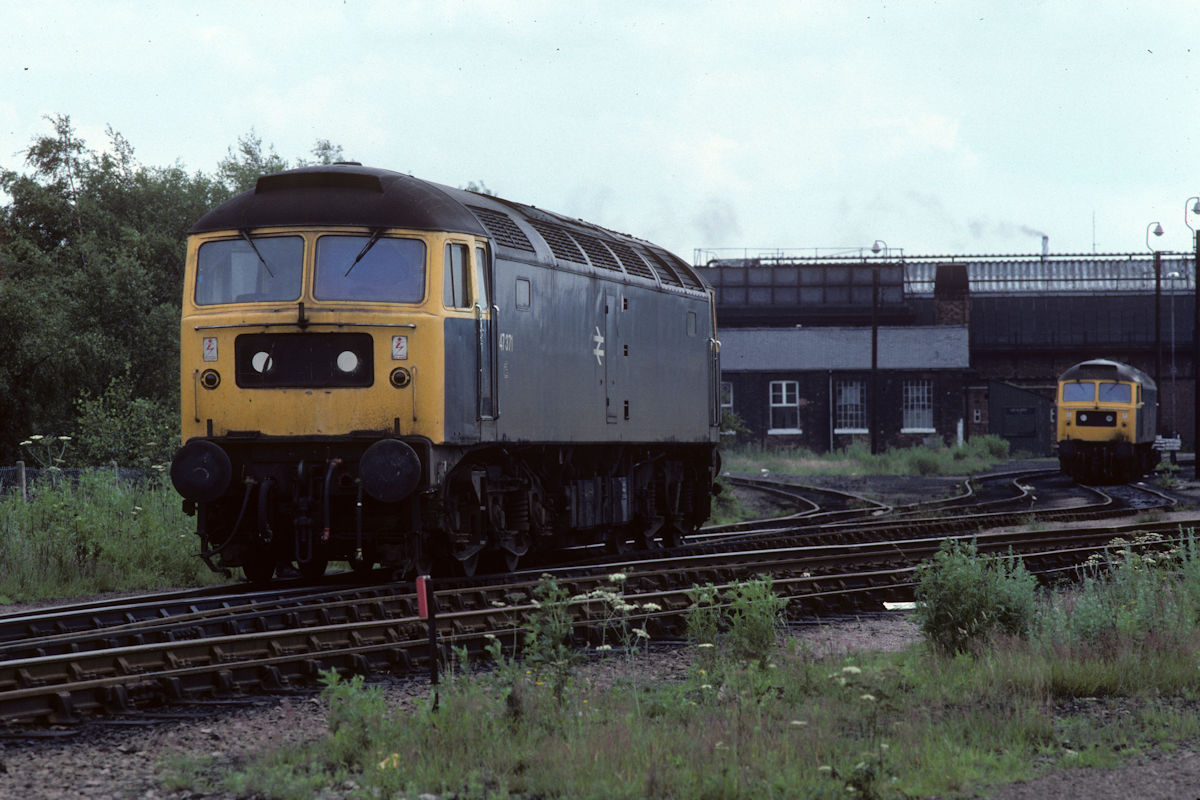
- Before the appearance of Class 58s in 1984, most of the merry-go-round workings at Barrow Hill were handled by Class 56s and the Slow Speed Control-fitted Class 47/3s. On June 30th 1982, 47371 enters the depot whilst another member of the class is parked in the siding. Photo: Alan Jones.
-
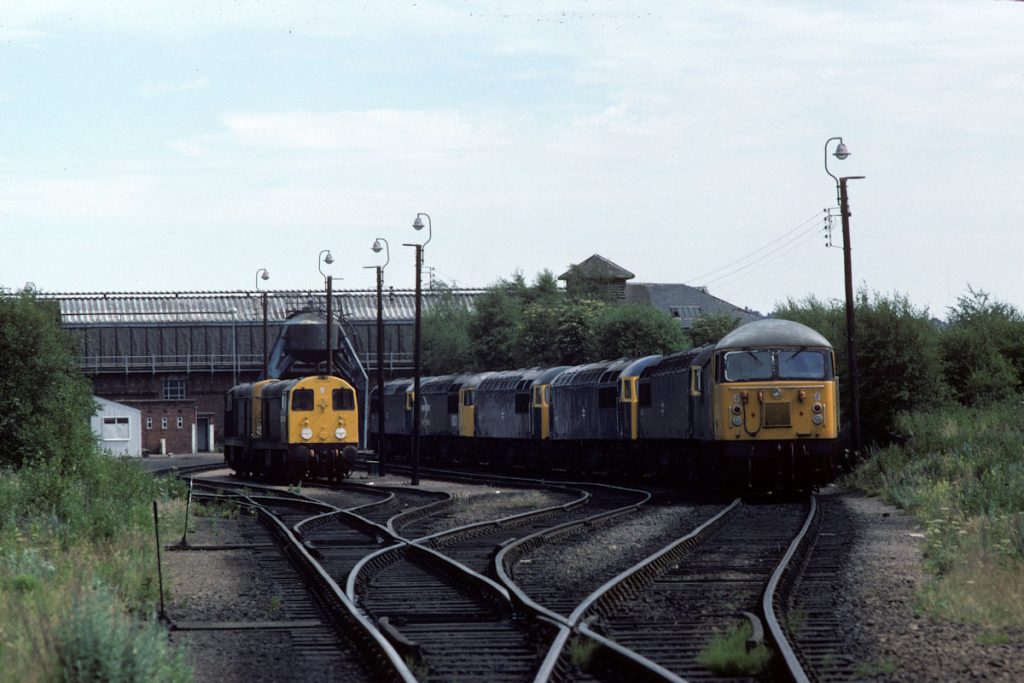
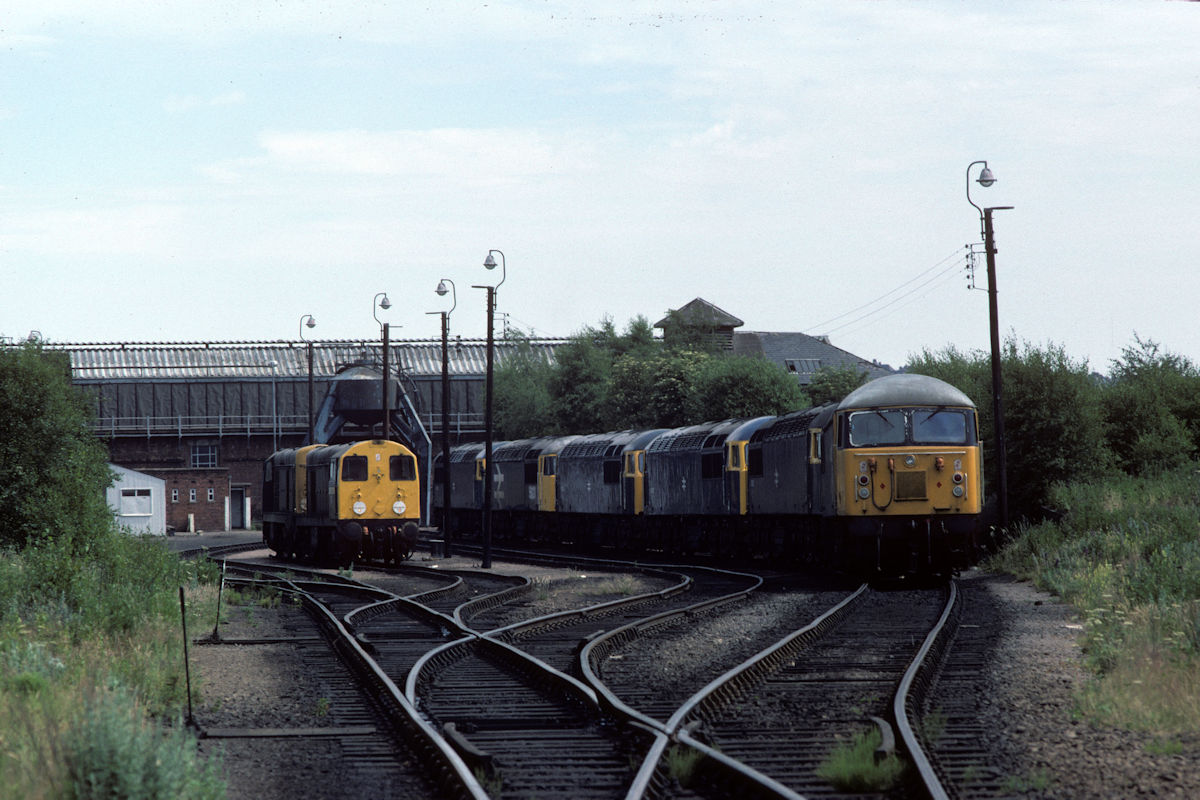
- The Miners’ Strike ran from March 1984 to March 1985 and was a difficult time. Very little coal was moved and views like this, taken on Friday 6th July 1984, would normally be seen only at weekends. 56099, 56015, 56020, 56003, 56120 and 56024 wait patiently with 20025 and 20068. Photo: Alan Jones.
-
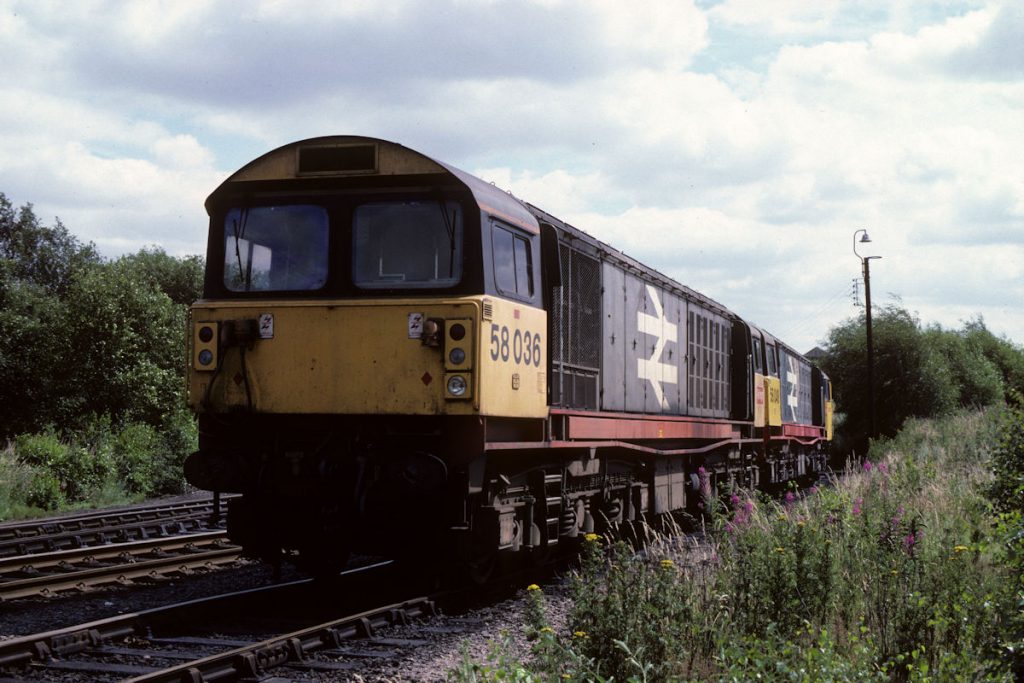
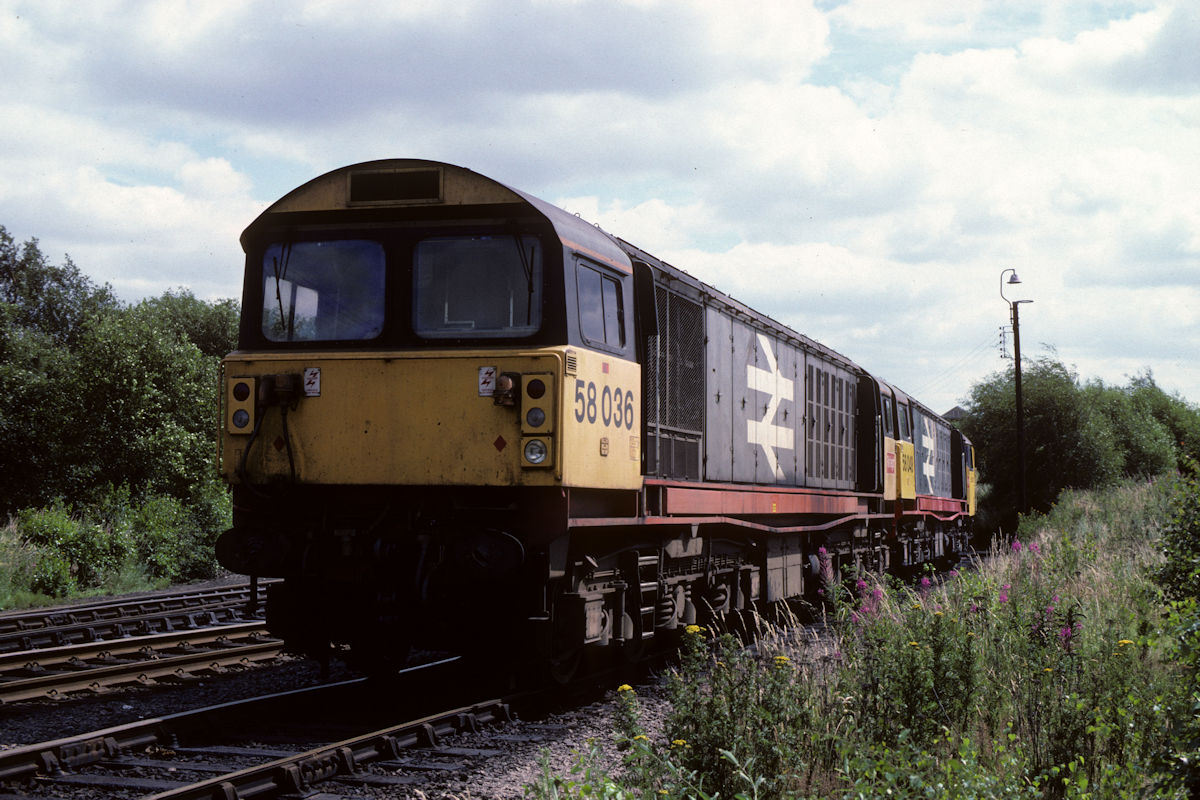
- On August 2nd 1987, 58036 and 58048 enjoy the Summer Sunday afternoon sunshine by the rose bay willowherb (chamaenerion angustifolium). Photo: Alan Jones.
-
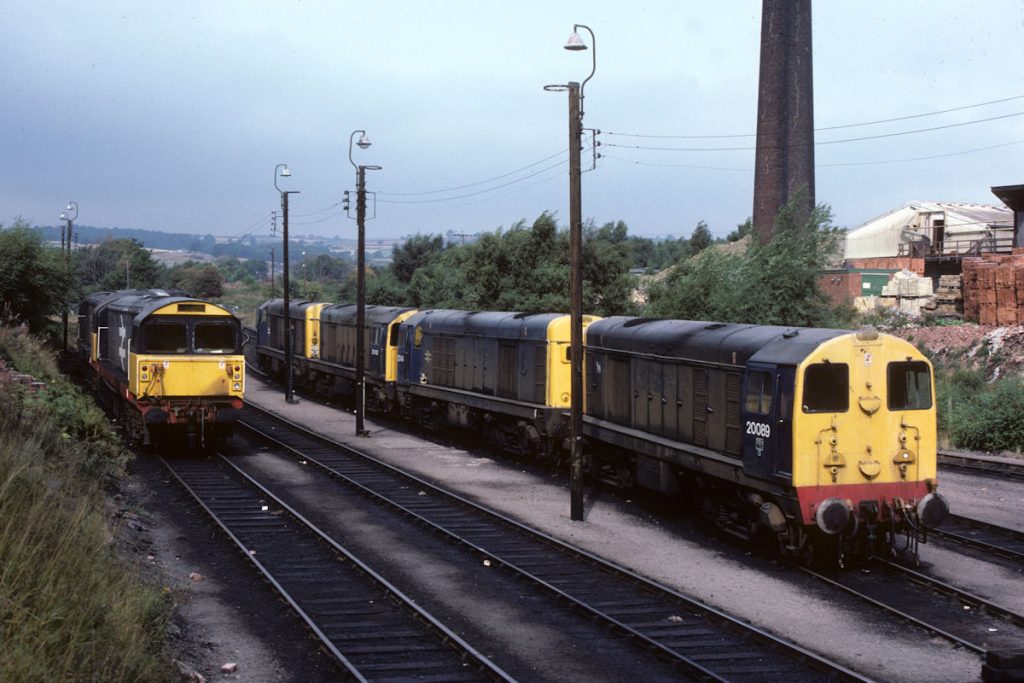
- The depot staff at Barrow Hill were always willing to allow the photographer to go round the depot on Sundays – in return for a generous contribution to the railway orphanage charity. On 21st September 1986, 20089, 20144, 20162 and 20066 are parked up alongside 58004, 58003, 58027, 58025 and 56089. Photo: Alan Jones.

-
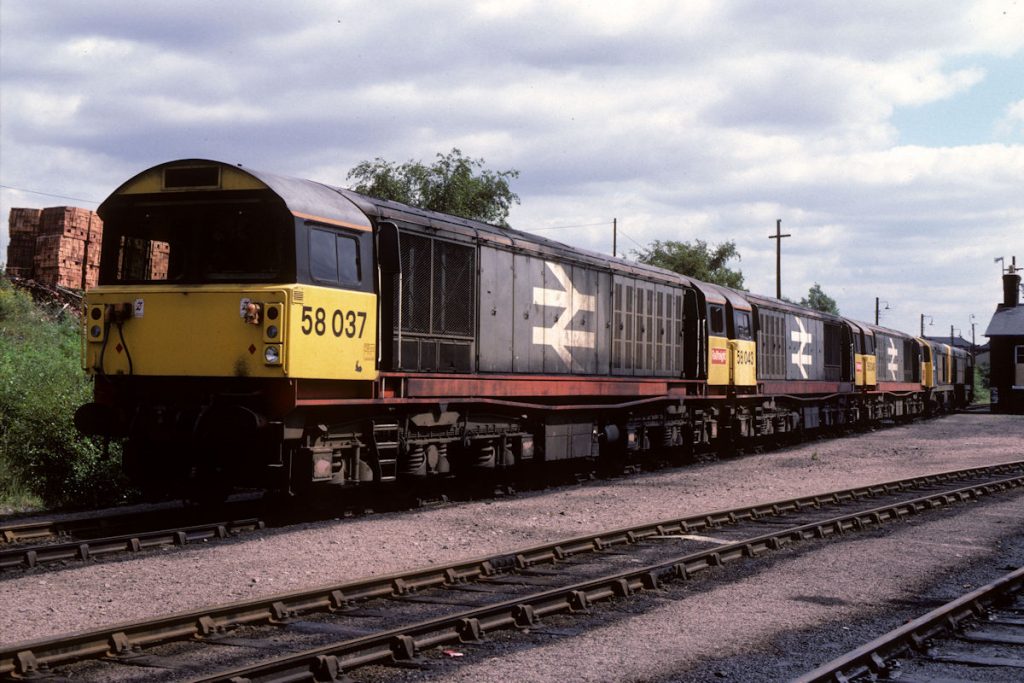
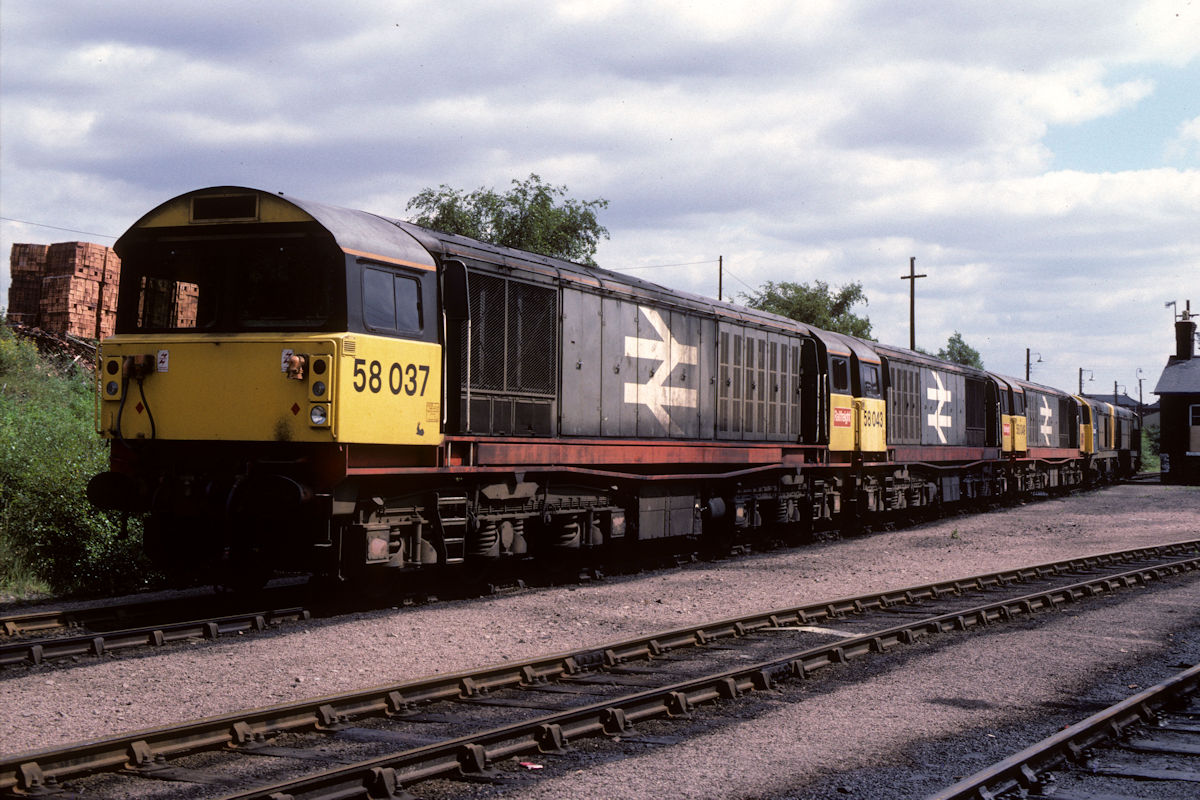
- Sunday 2nd August 1987 sees 58037, 58043, 58049, 20182 and 20152 on shed. Photo: Alan Jones.
-
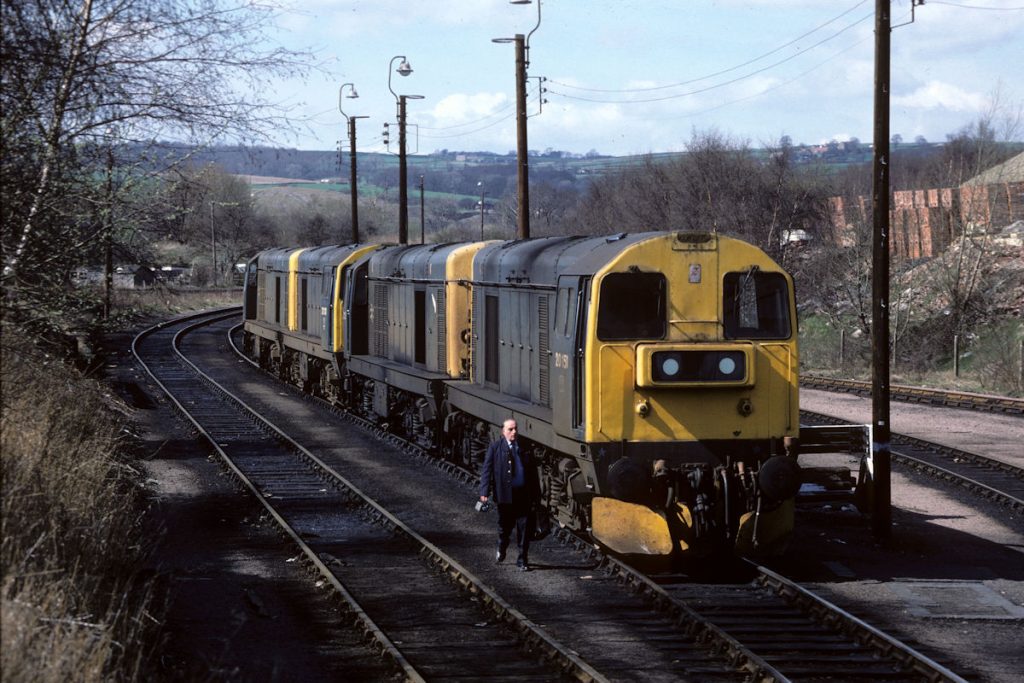
- The trees are starting to come into bud and the Spring sunshine is a welcome sight on 12th April 1987. With no Type 5s in sight, Class 20s Nos. 20151, 20123, 20131 and 20136 form the line-up outside the depot. Photo: Alan Jones.
-
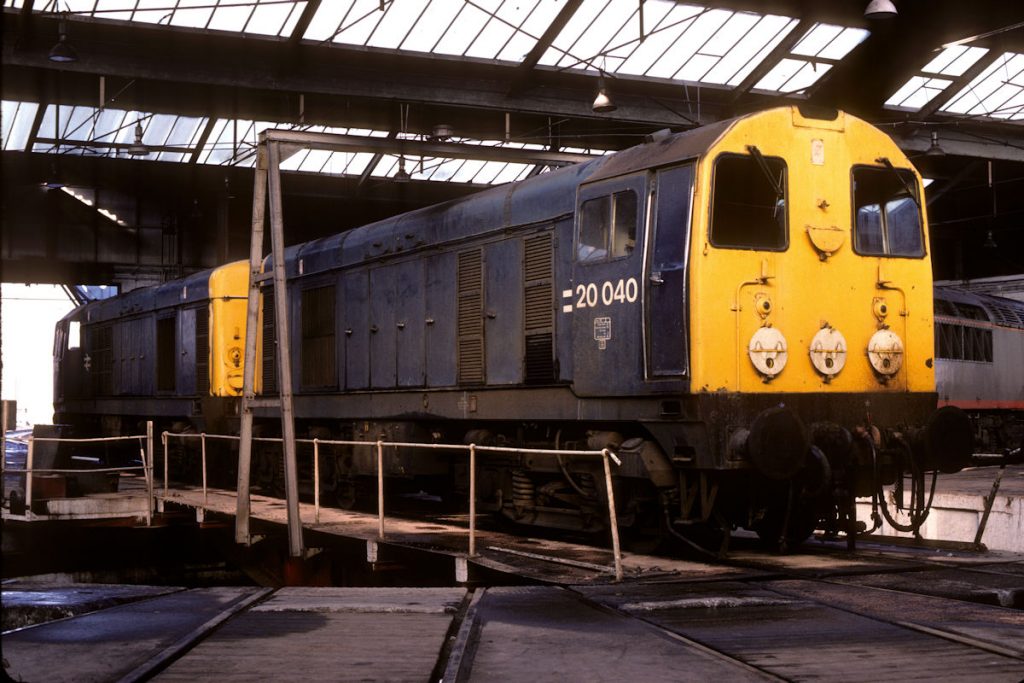
- On Sunday January 3rd 1988, 20040 and 20105 stand on the turntable in the Winter sun, ready to resume work the next day after the Christmas break. Photo: Alan Jones.

-
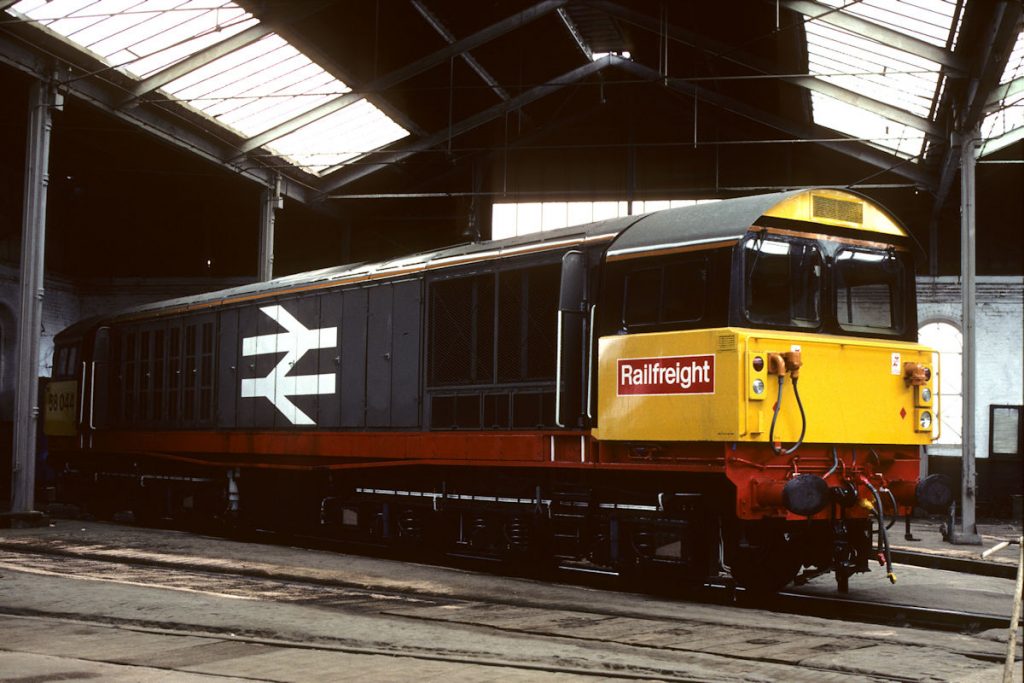
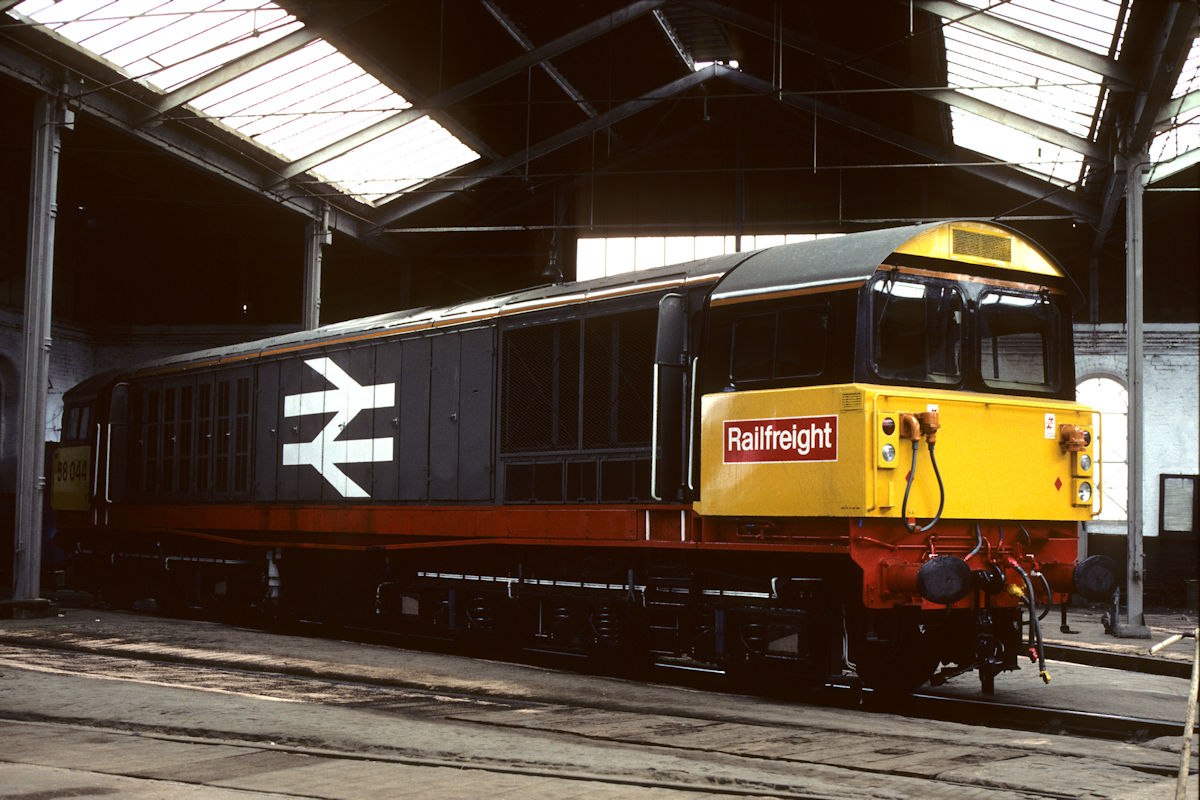
- 58044 was allocated new to Toton on 8th September 1986 and is seen here in the roundhouse on 21st September 1986, just under two weeks old. Very appropriately, it was named ‘Oxcroft Opencast’ on 9th May 1992. Photo: Alan Jones
-
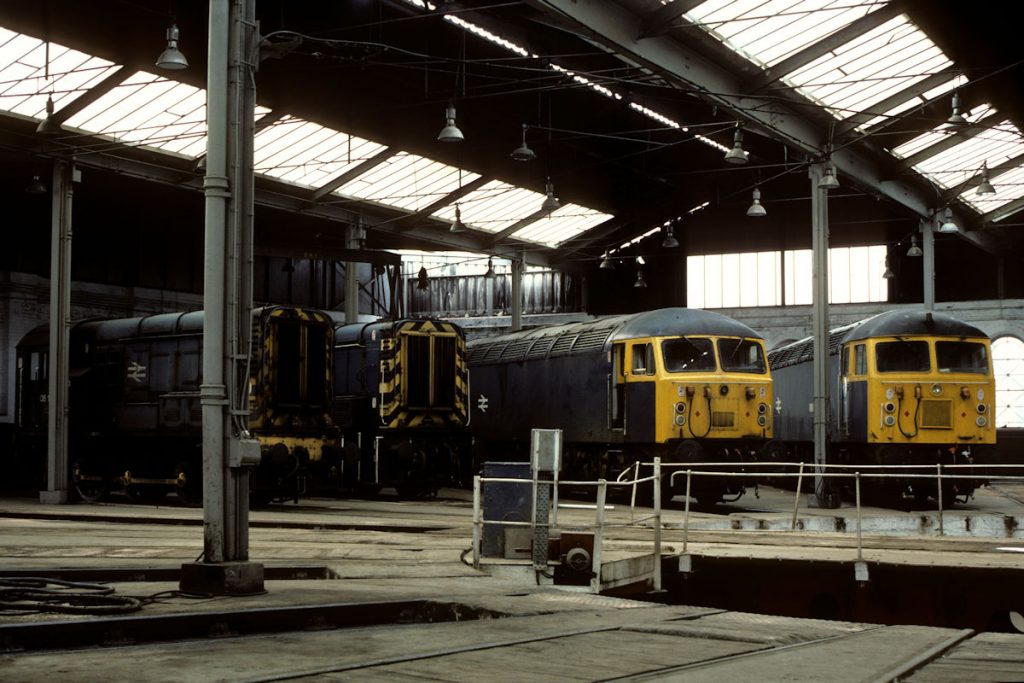
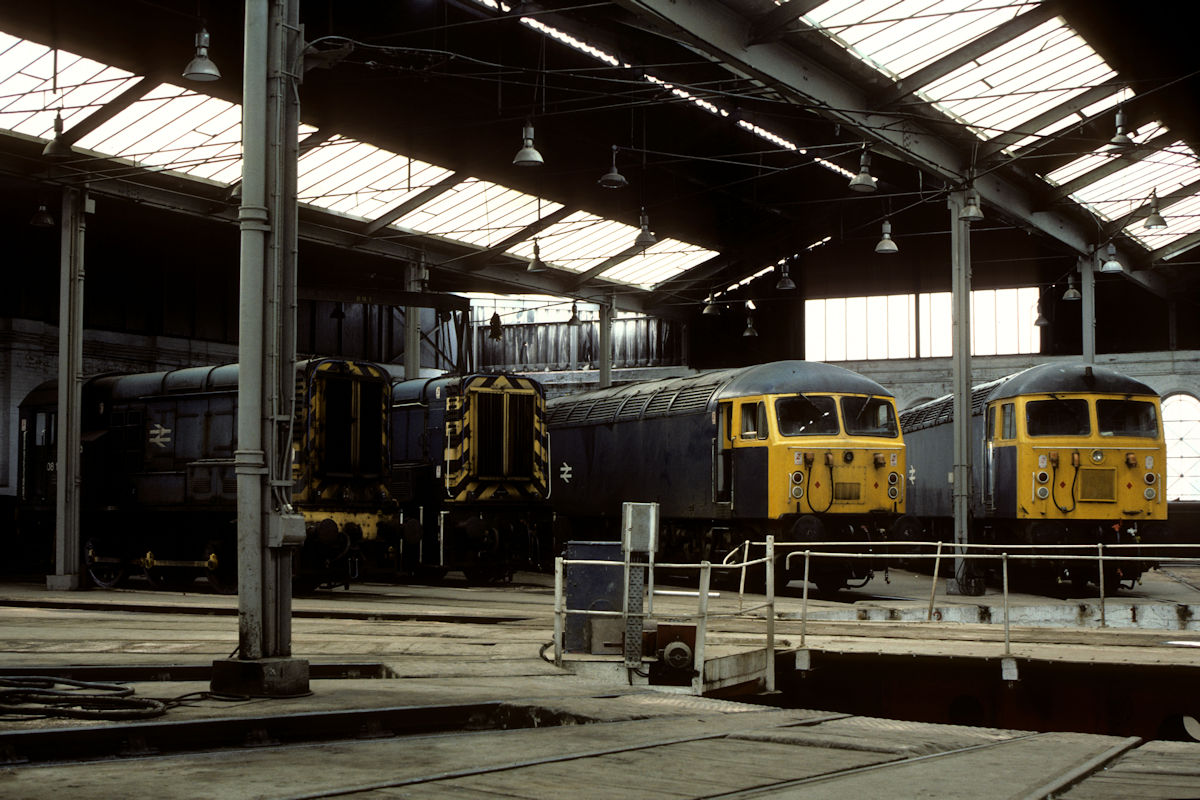
- For many years Barrow Hill had an allocation of five Class 08s: 08141, 08186, 08509, 08868 and 08871. At weekends they could all usually be seen in and around the roundhouse. This view, taken on 21st September 1986 shows two of the five, 08141 and 08871 round the turntable with 56003 and 56073. Photo: Alan Jones.
-
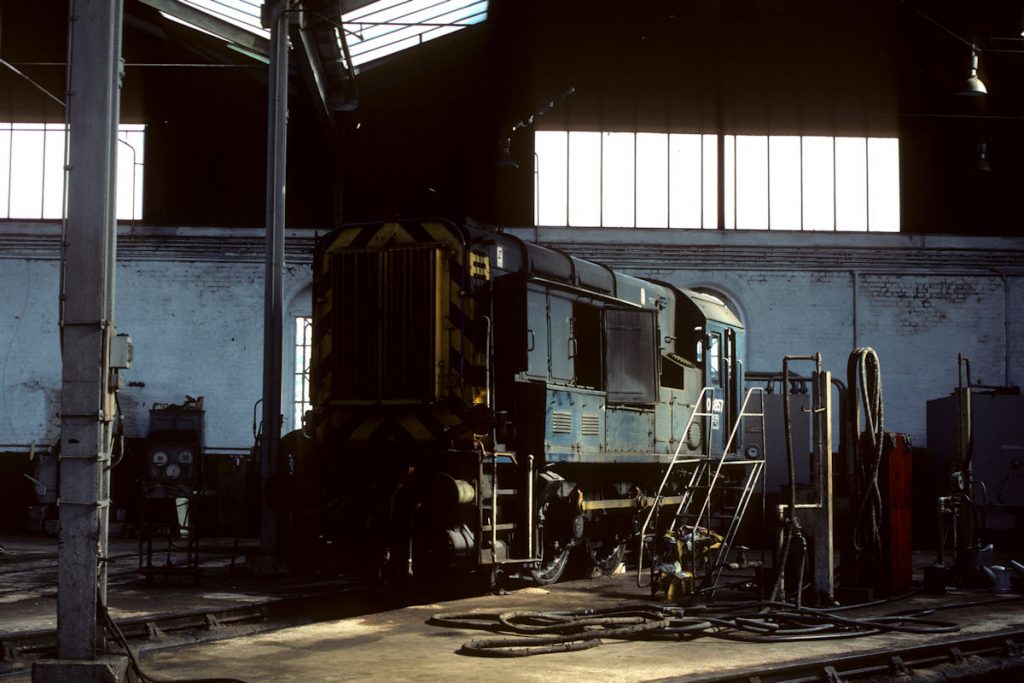
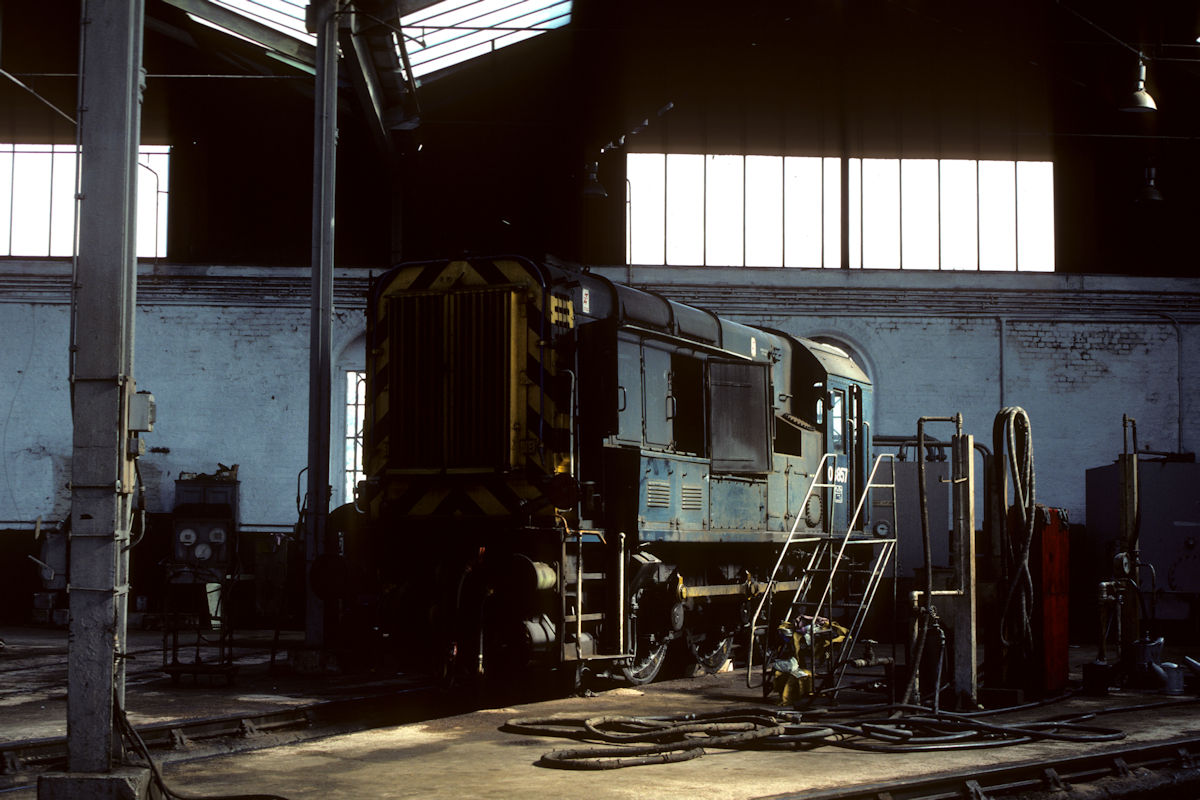
- 08857 was a Tinsley engine that spent some time at Barrow Hill. It is seen receiving a little care and attention in a corner of the depot on August 31st 1986. Photo: Alan Jones.
-
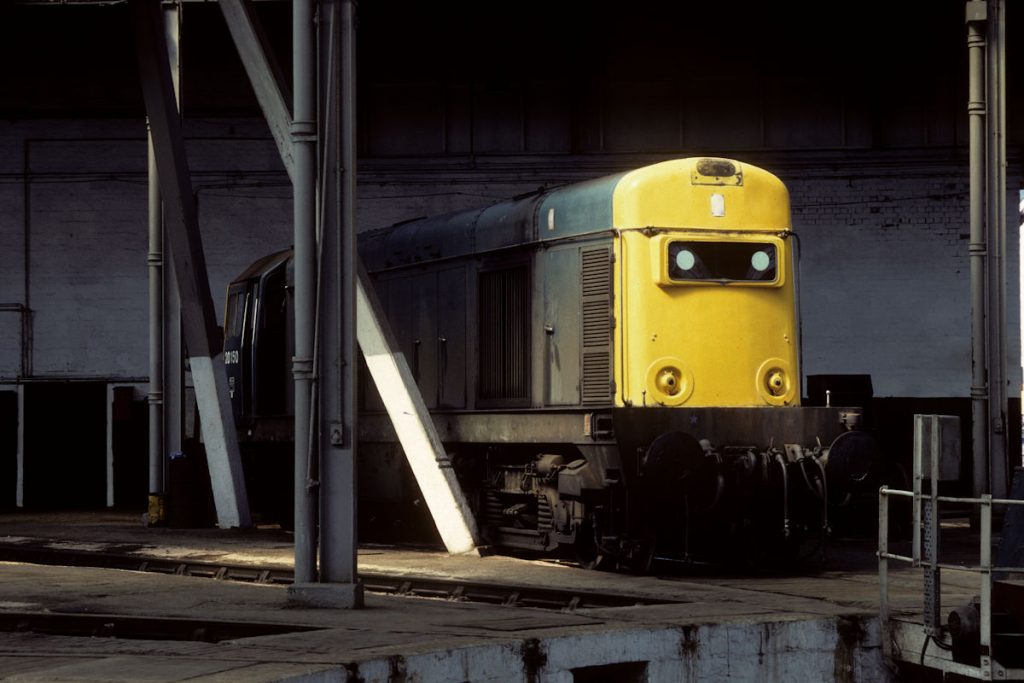
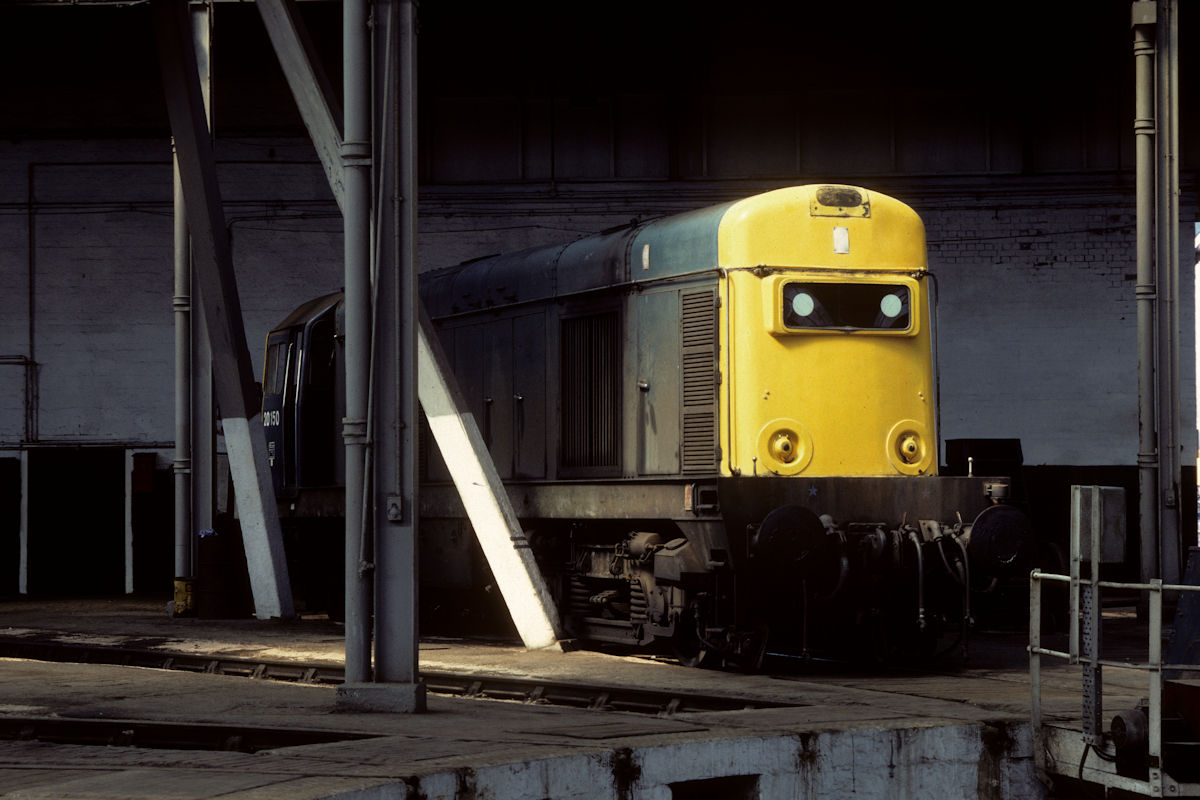
- The last of what might be described as the traditional Trip workings at Barrow Hill was T07 which mainly moved slack from Warsop Junction and the Nottinghamshire collieries to Bolsover Coalite via the Clowne Branch and a reversal at Seymour. It was usually worked by a pair of Class 20s, although occasionally a single 20 would substitute. On a quiet Sunday 17th April 1987, 20150 catches the sunlight through the shed roof. Photo: Alan Jones.
-
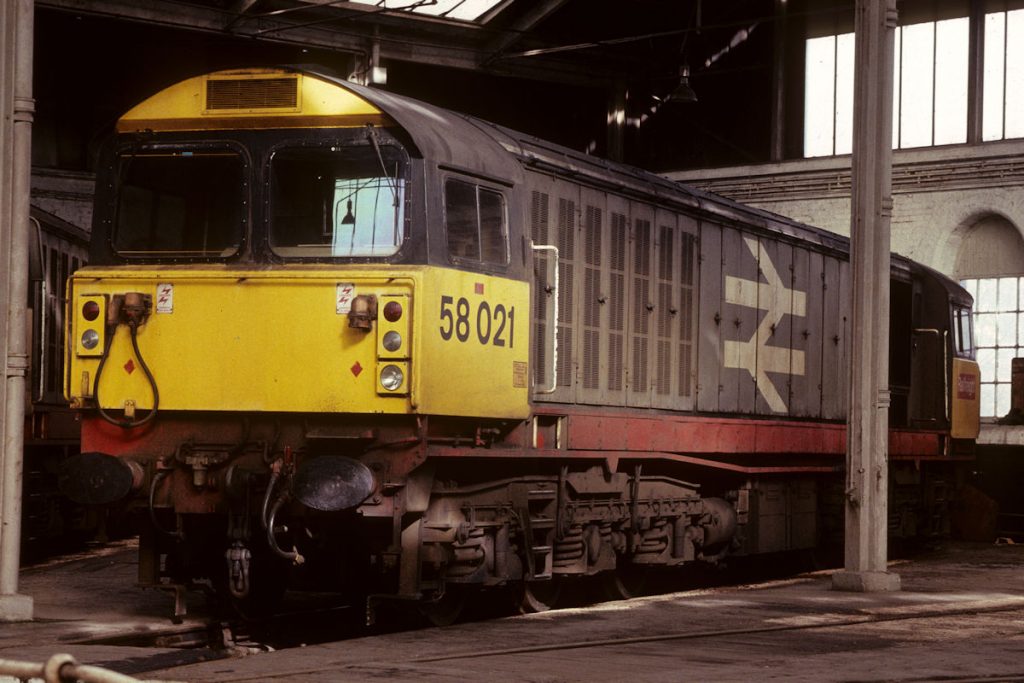
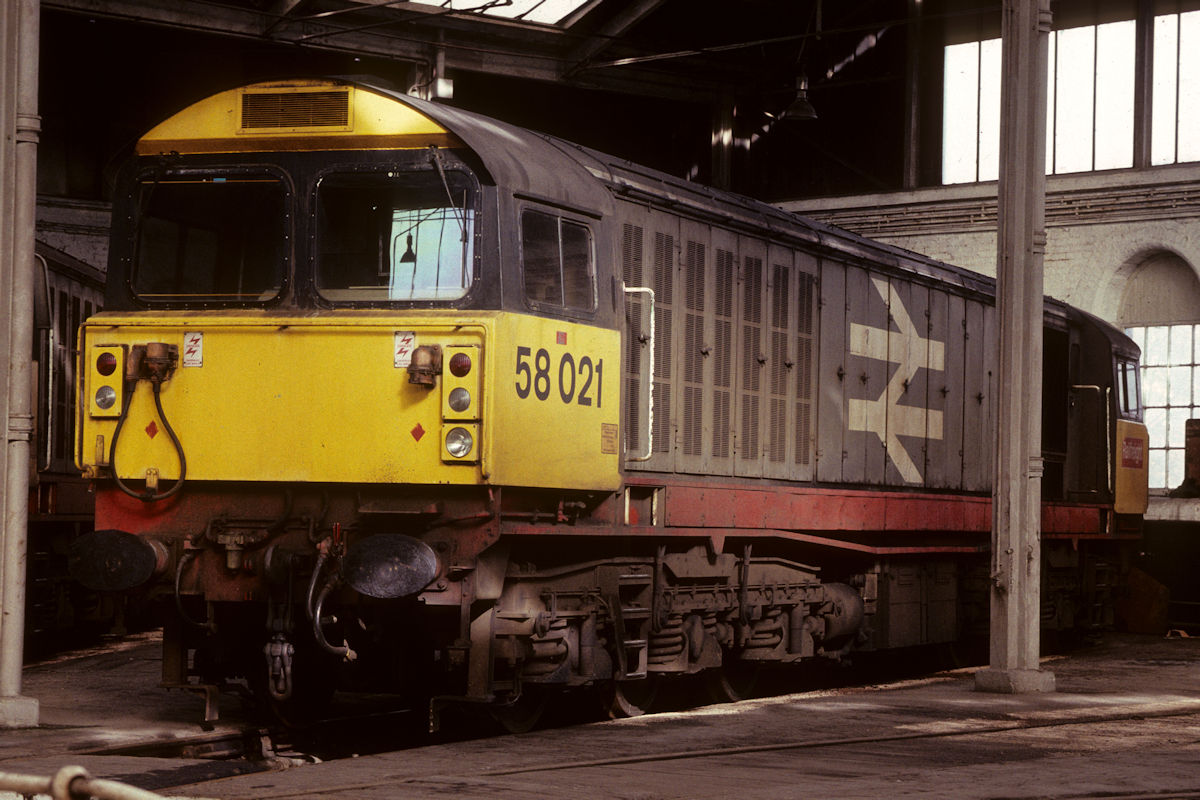
- On February 19th 1989, Railfreight Red-liveried 58021stands inside the roundhouse. Photo: Alan Jones.
-
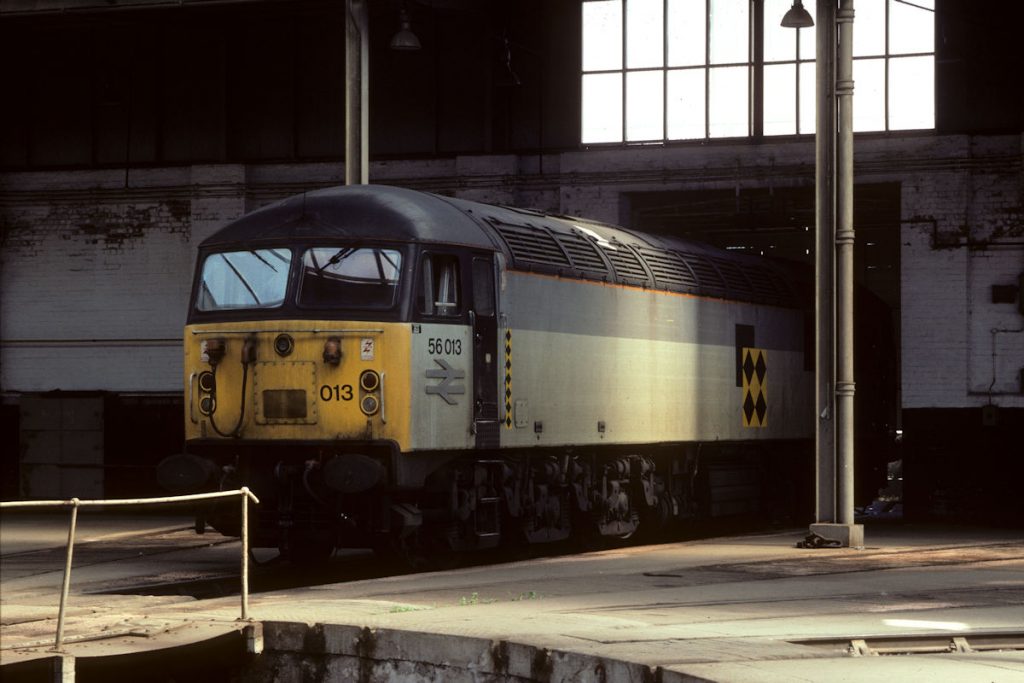
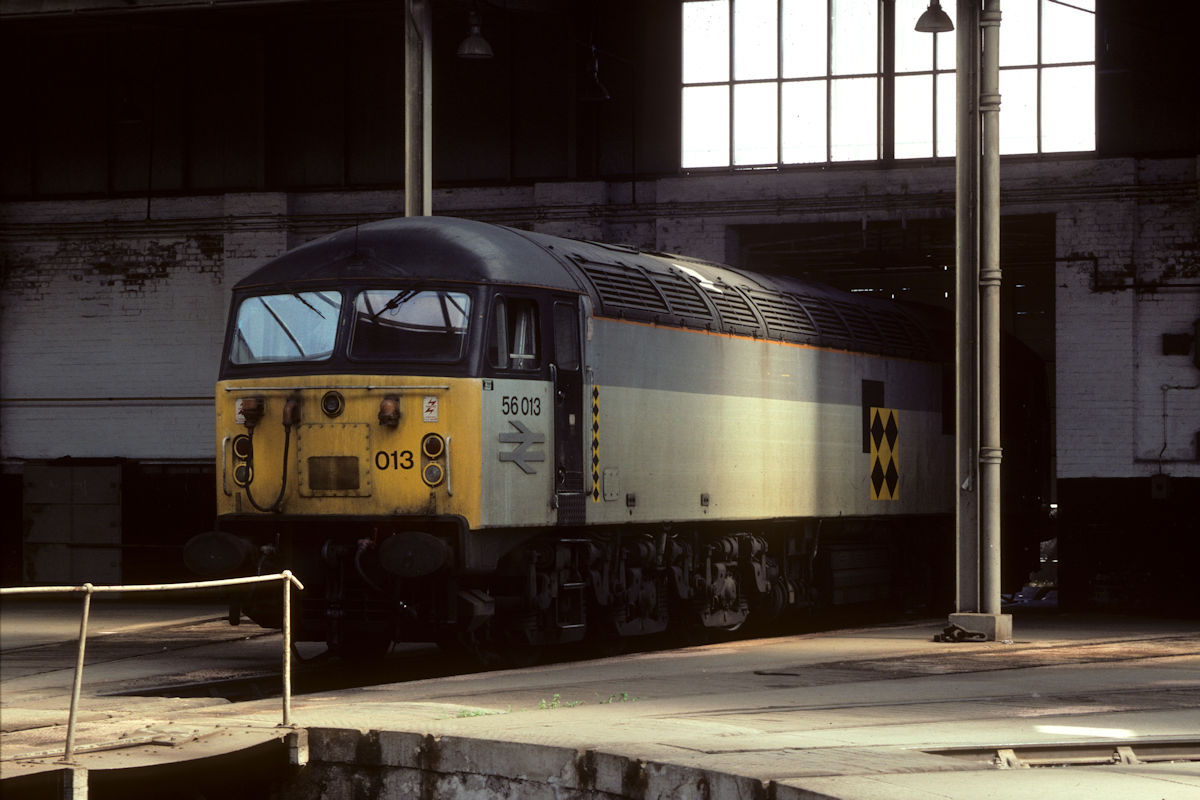
- The line straight through the roundhouse went out of the far side of the building for a short distance and was known as ‘The Garden’, on account of the bushes and general undergrowth surrounding it. 56013 stands in The Garden on August 5th 1990. Photo: Alan Jones.
-
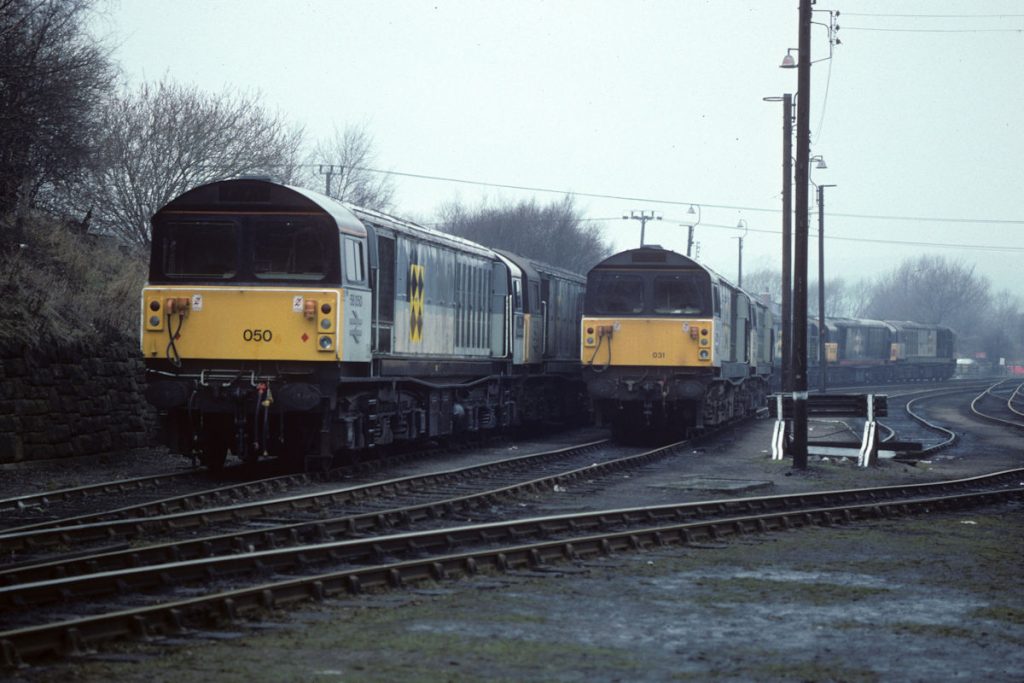
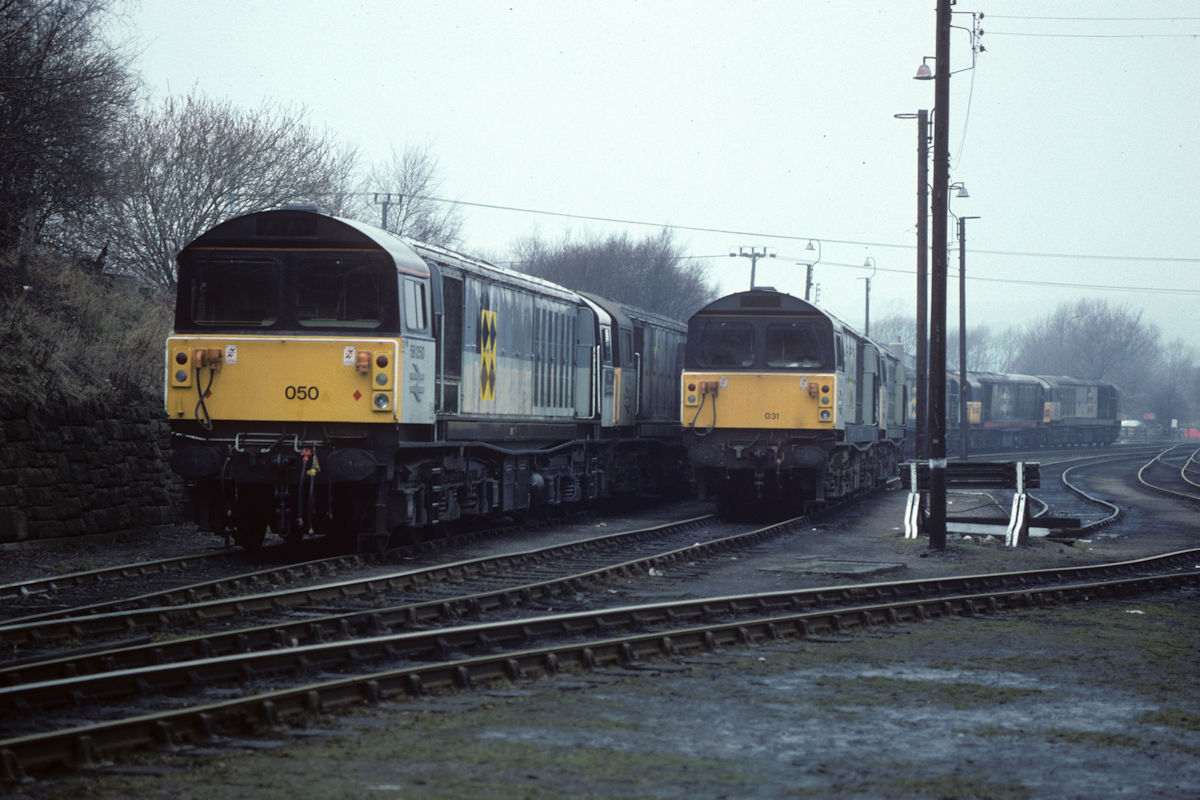
- The last full weekend of BR operation at Barrow Hill (Saturday/Sunday 2nd/3rd February 1991) saw no less than one fifth of the Class 58 fleet on Shed. Behind 58050 are 58029, 58020, 58033, 58016, 58010, 58042 and 58018 and on the adjacent road are 58031 and 58039. Photo: Alan Jones.
-
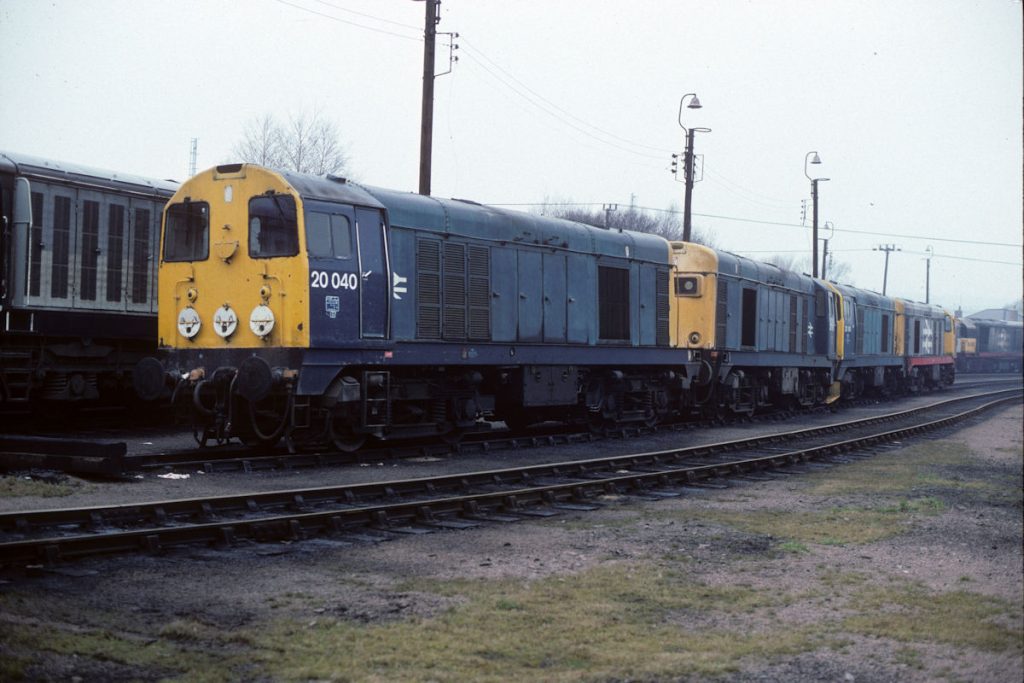
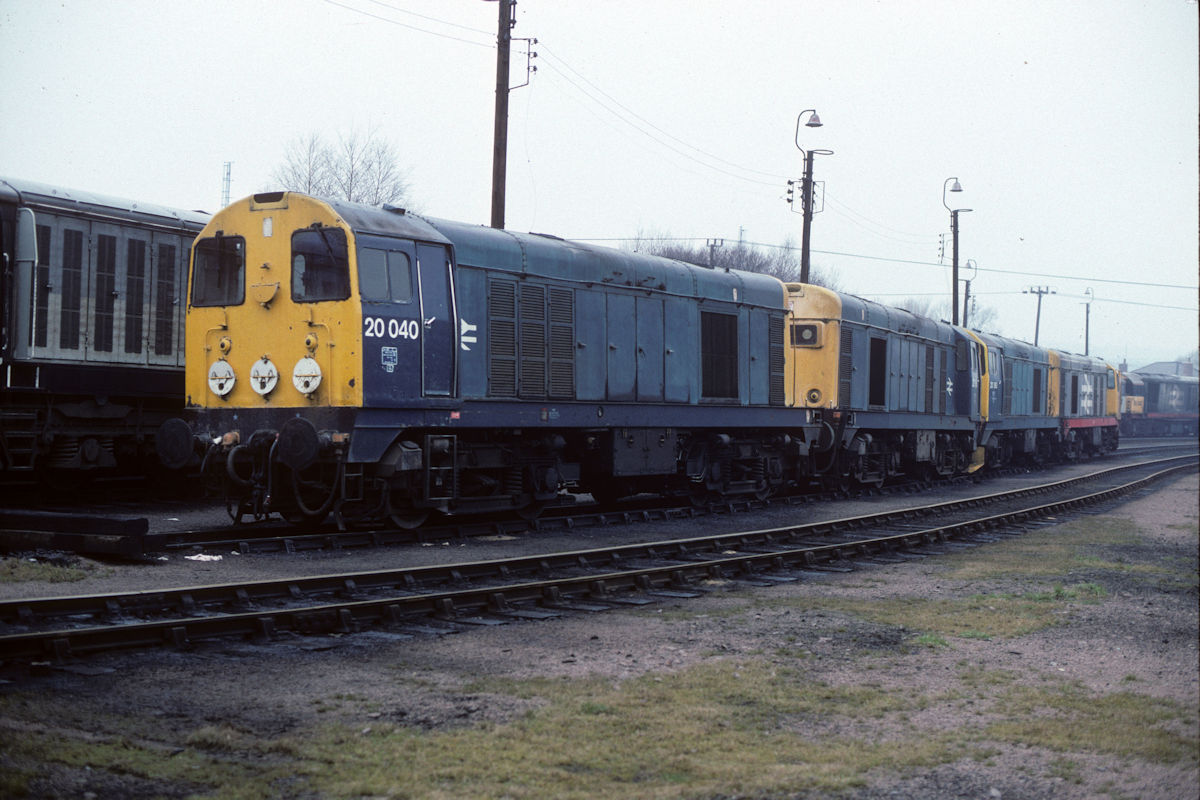
- Two pairs of Class 20s also came on Shed on Sunday 3rd February 1991 – 20040, 20187, 20190 and 20104. Photo: Alan Jones.
-
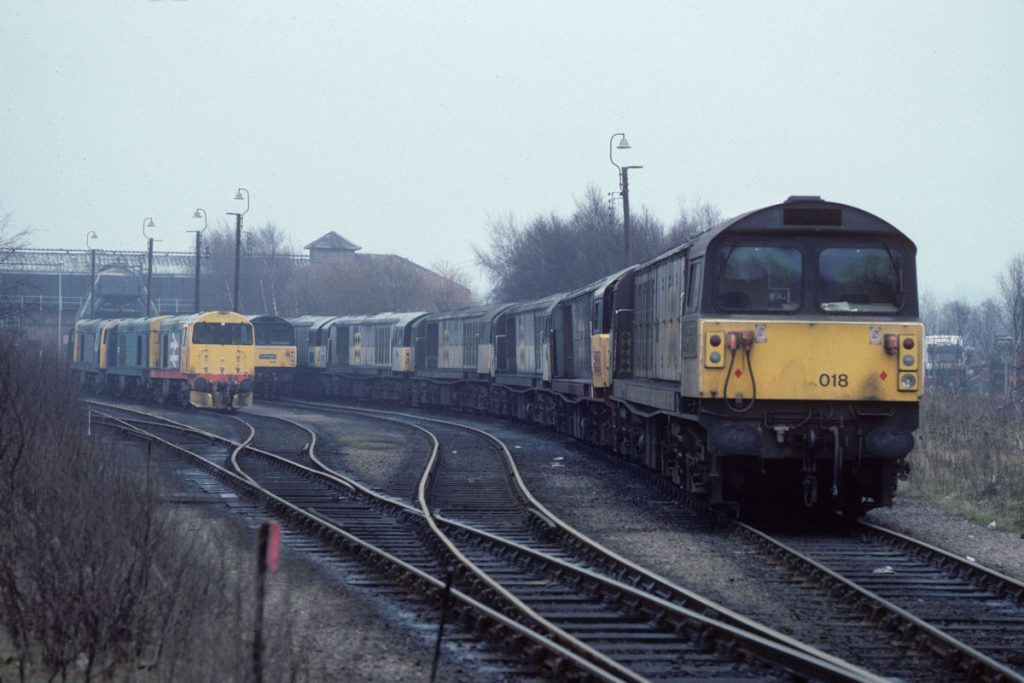
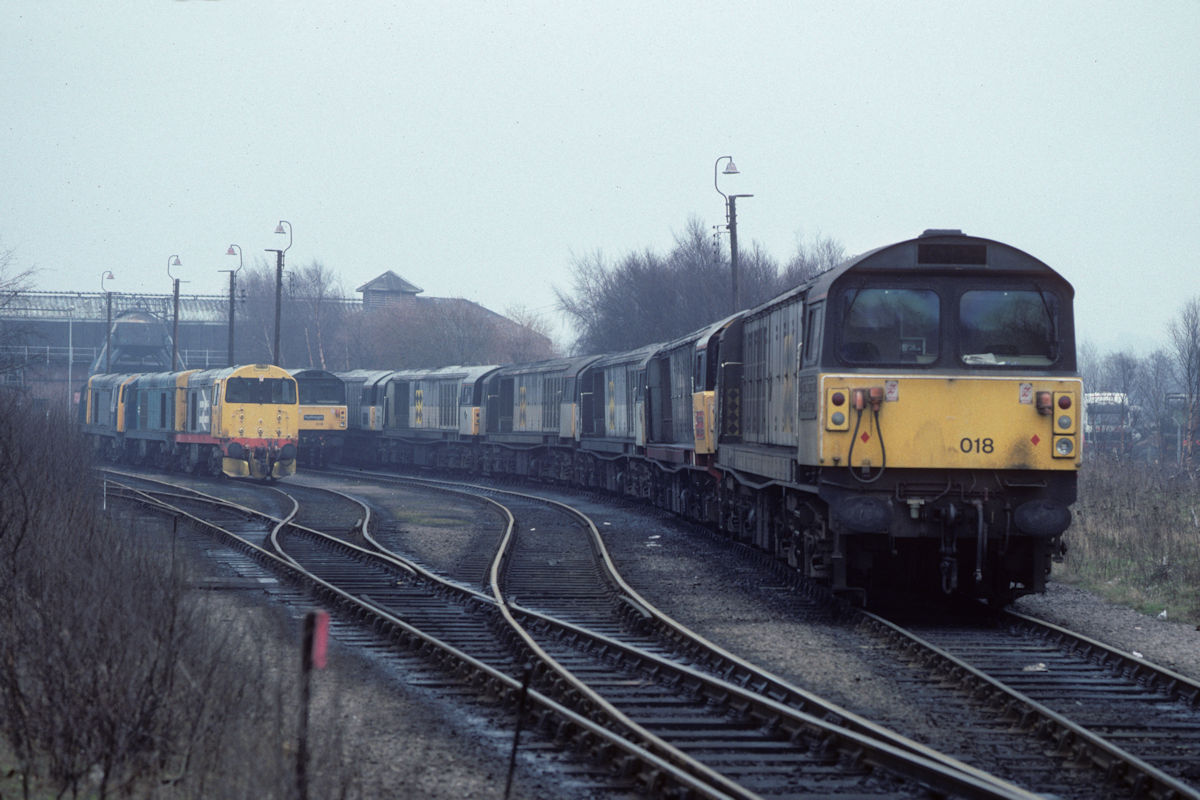
- It is difficult to imagine that with so many locomotives on shed on 3rd February 1991, the depot was only six days from closure. The line-up includes 58018, 58042, 58010, 58016, 58033 and 58016. The nose of 58039 is visible behind 20104, 20190, 20187 and 20040. Photo: Alan Jones.
-
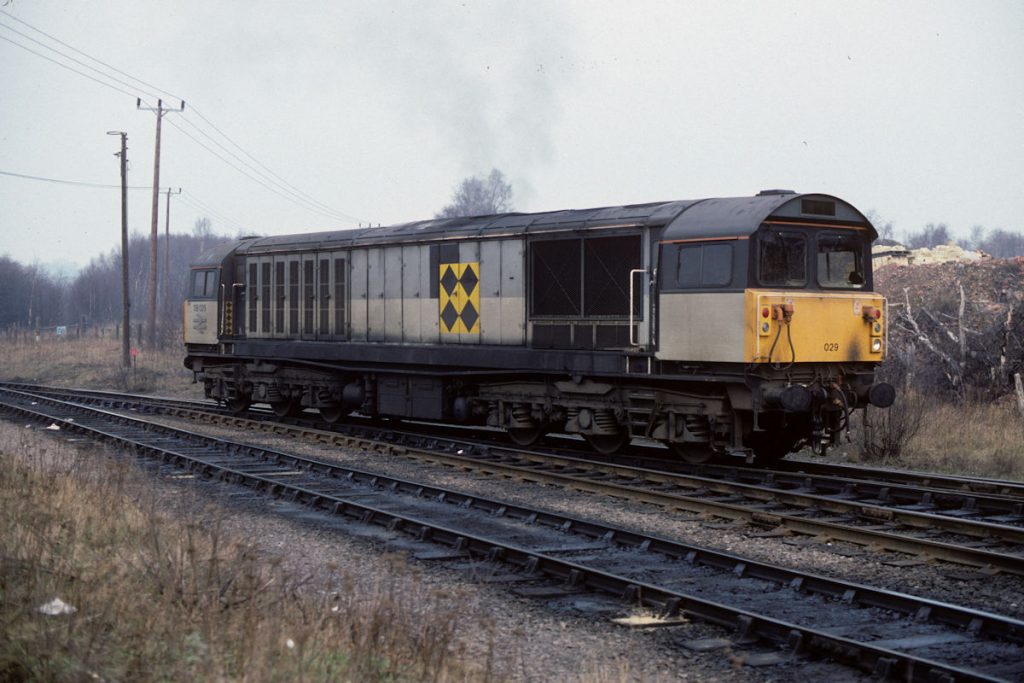
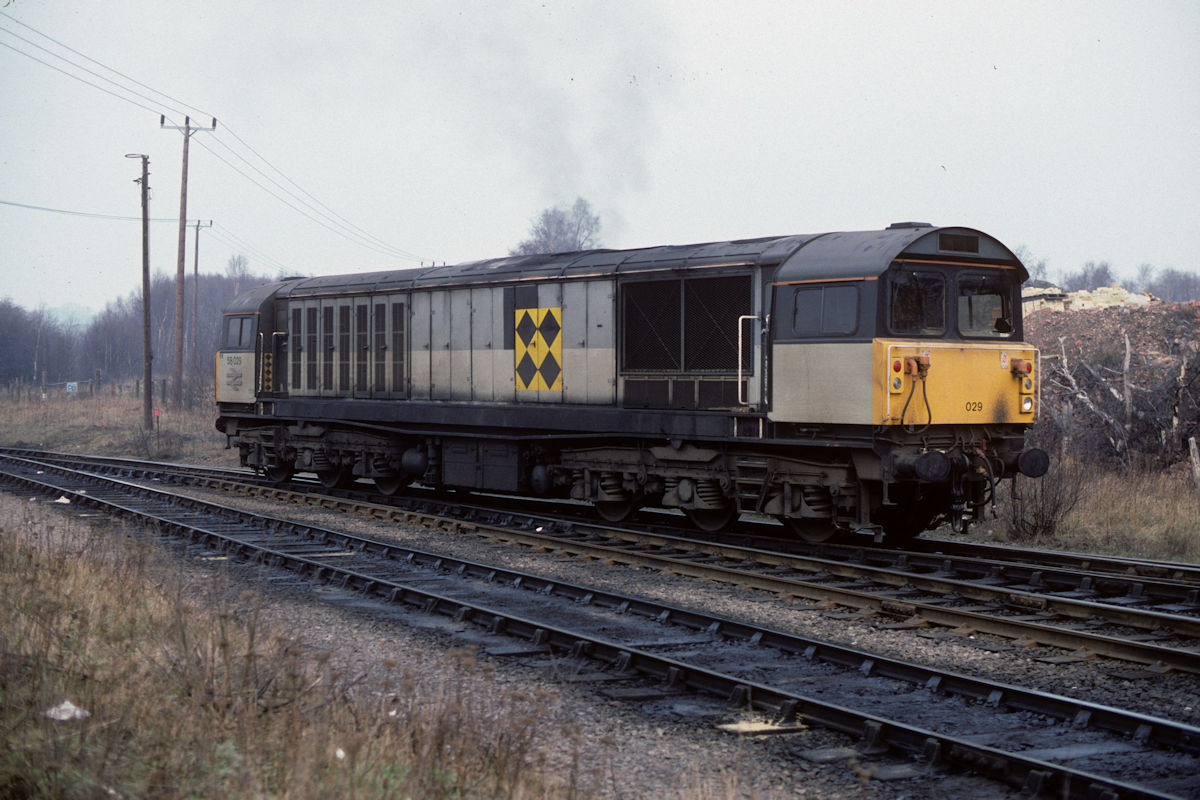
- On Monday 4th February 1991, 58029 runs off shed towards the headshunt. Photo: Alan Jones.
-
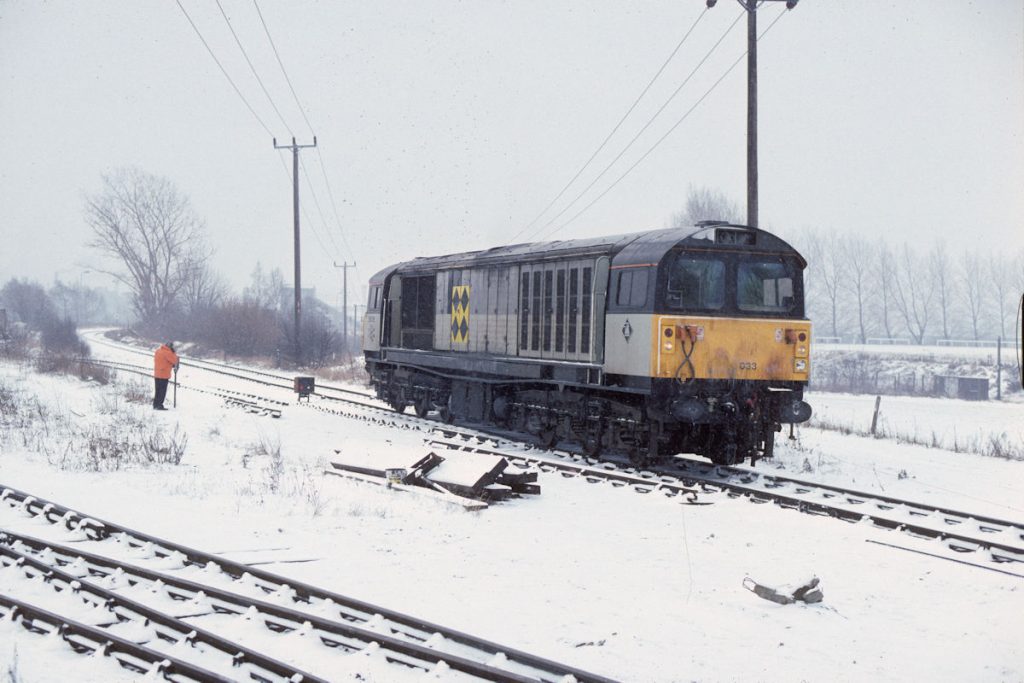
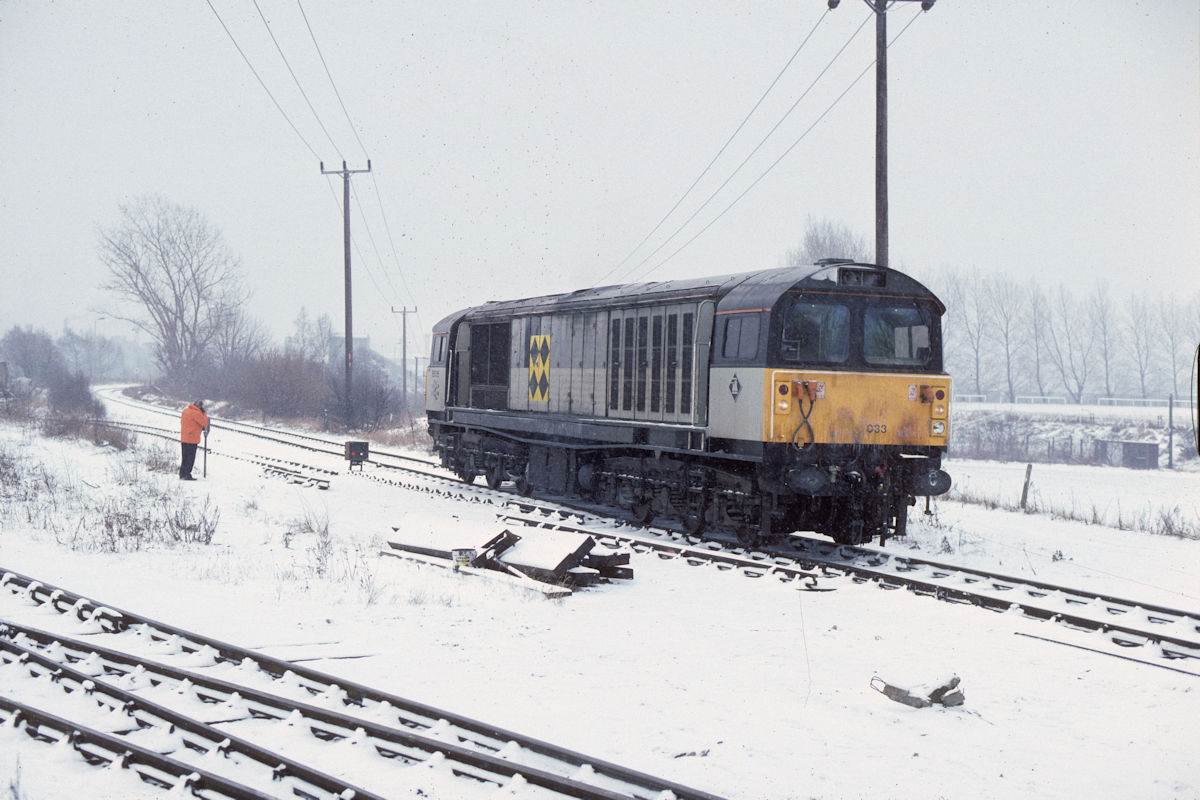
- As the week progressed the temperature dropped and snow started to fall. The driver of 58033 pauses to ring Sheffield Power Box for the road round to the Main Line to work 6Z85 from Markham to Didcot on Thursday 7th February 1991. Photo: Alan Jones.
-
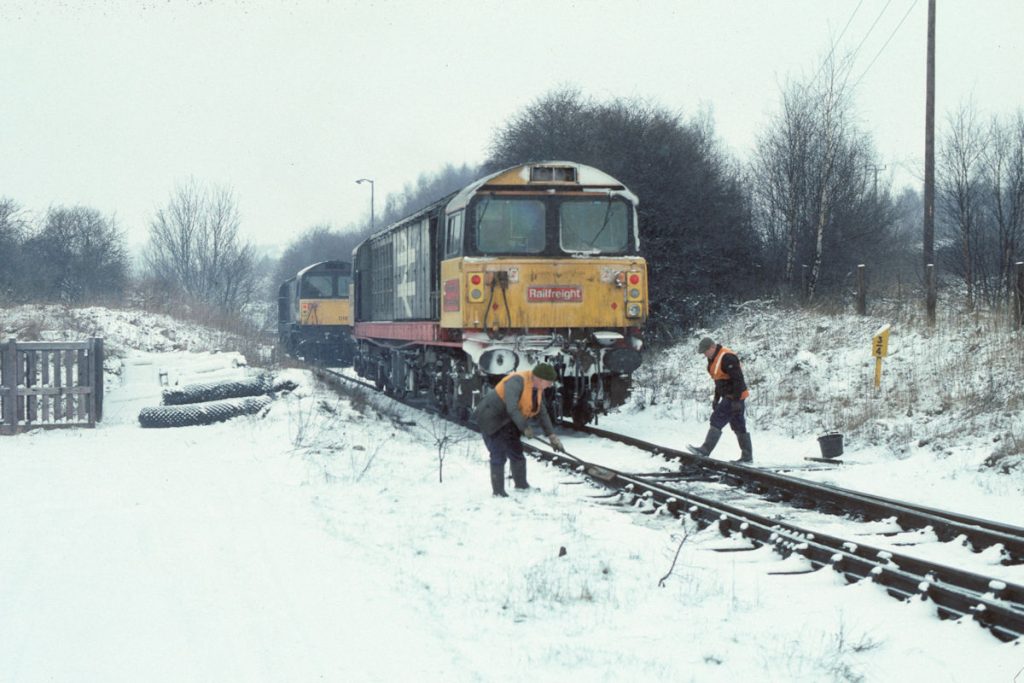
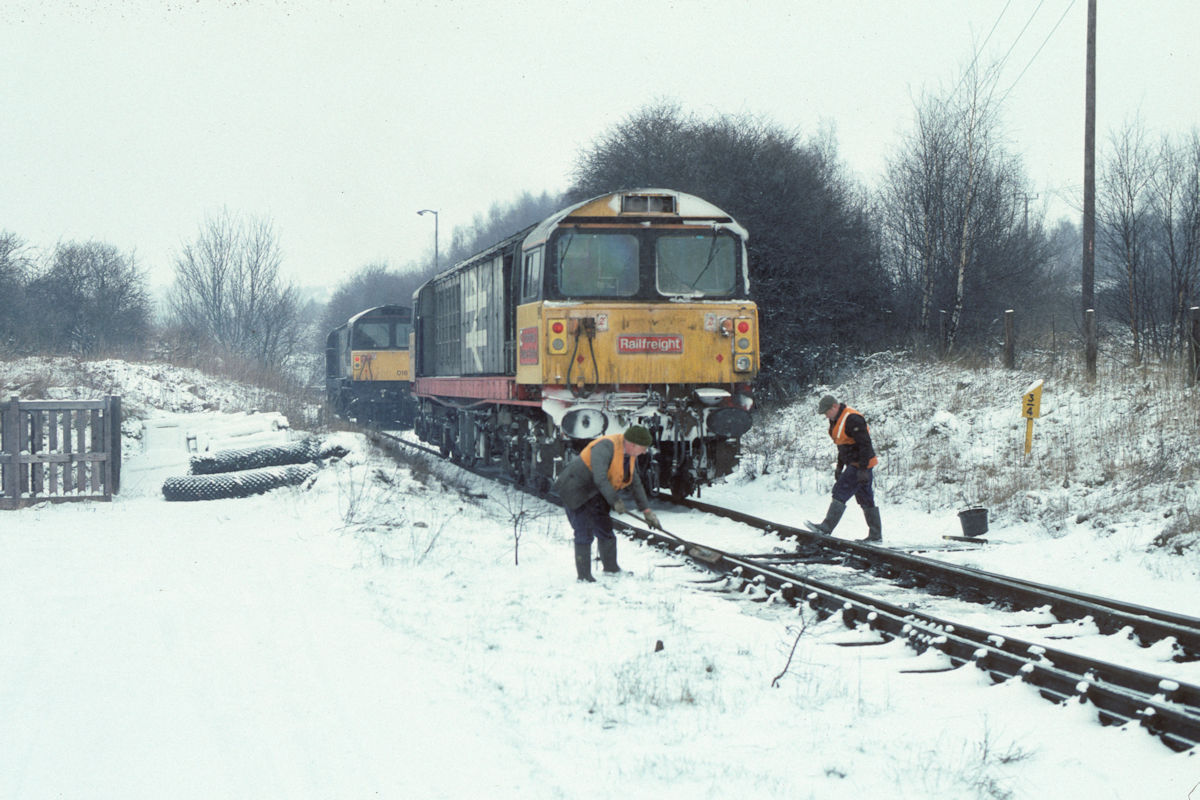
- Freezing temperatures on Thursday 7th February 1991 caused problems with the pointwork in the headshunt. Clearance work is in place as 58042 waits to leave the depot. Behind is 58018 waiting its turn to depart, to work 6Z57, the 12.25 Oxcroft to Ironbridge. Photo: Alan Jones.
-
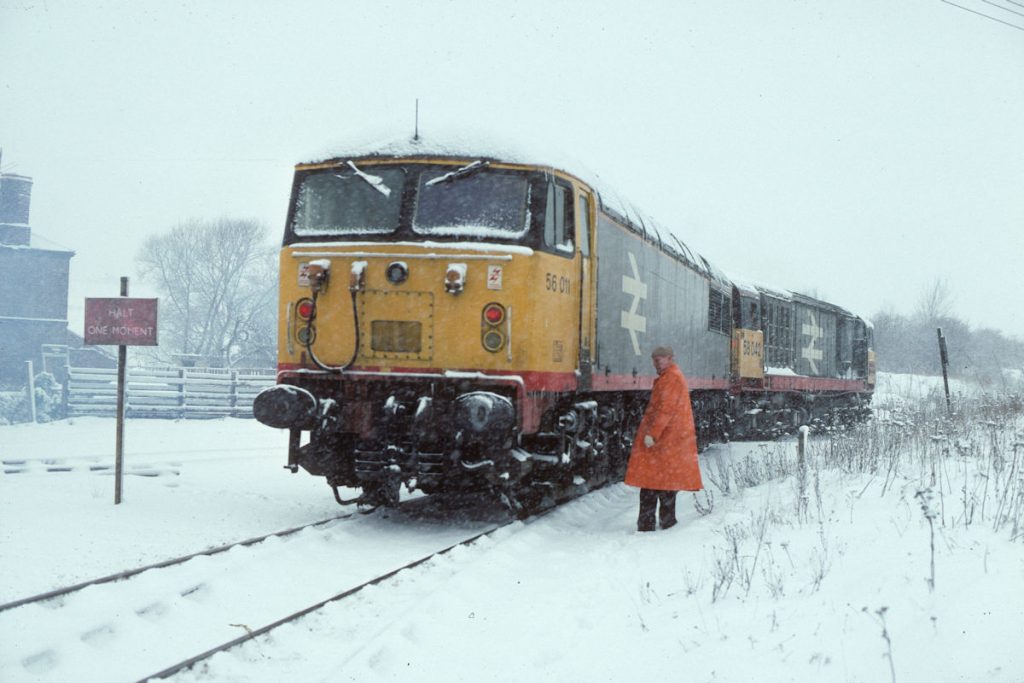
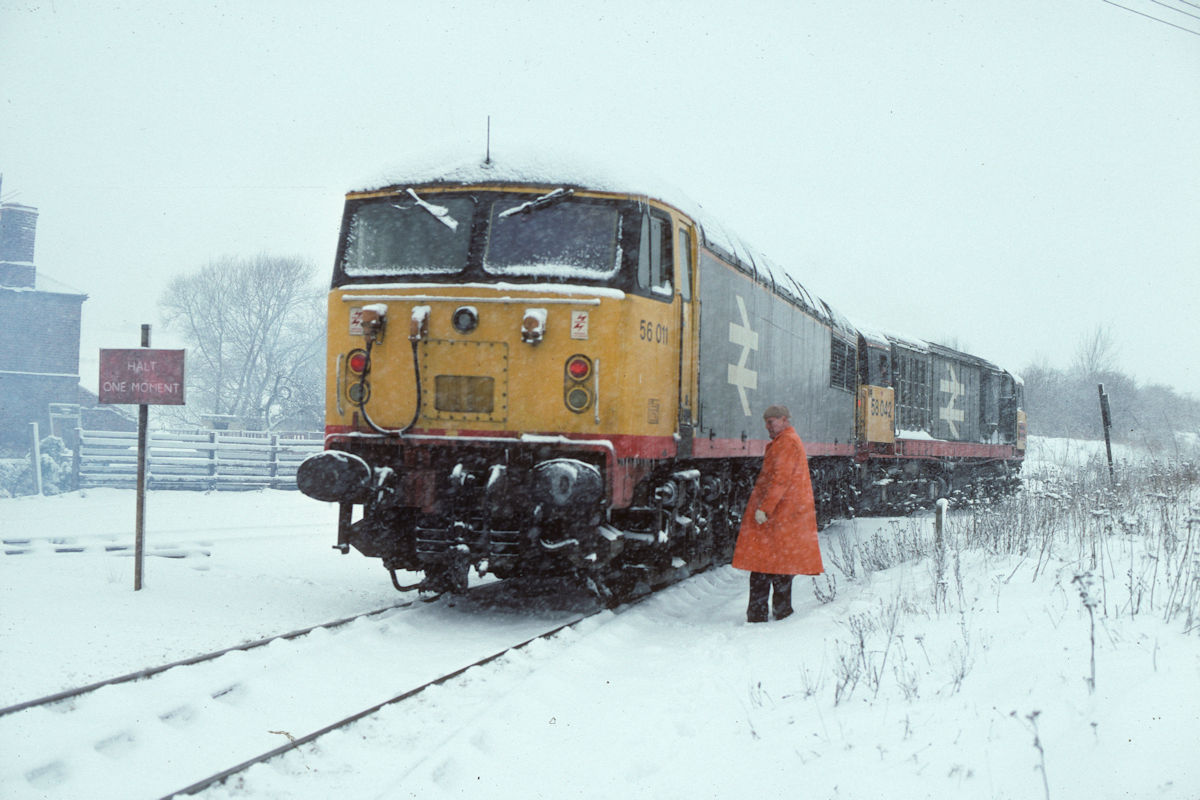
- Deteriorating weather conditions on Friday 8th February 1991 led to the water supply at the depot freezing up and locomotives requiring water having to be transferred elsewhere. 56011 is being taken to Shirebrook for this purpose by 58042. Photo: Alan Jones.
-
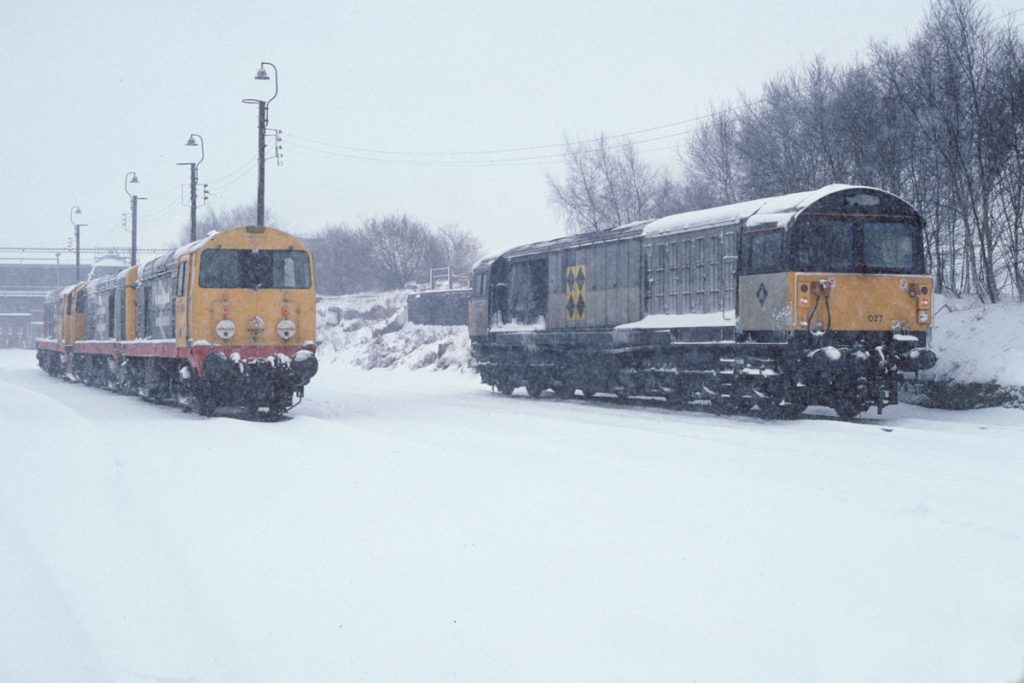
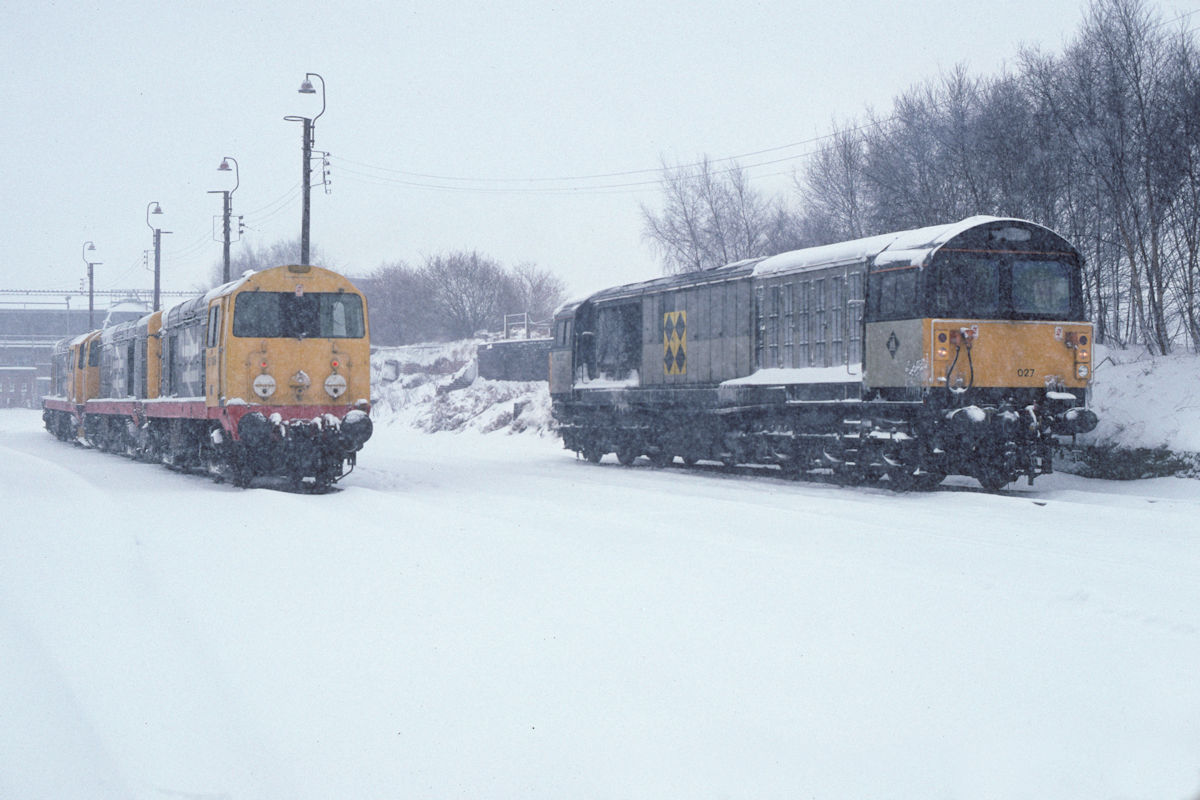
- In the freezing conditions of Friday 8th February 1991, 58027, 20108, 20215, 20104 and 20190 grin and bear it outside the depot. Photo: Alan Jones.
-
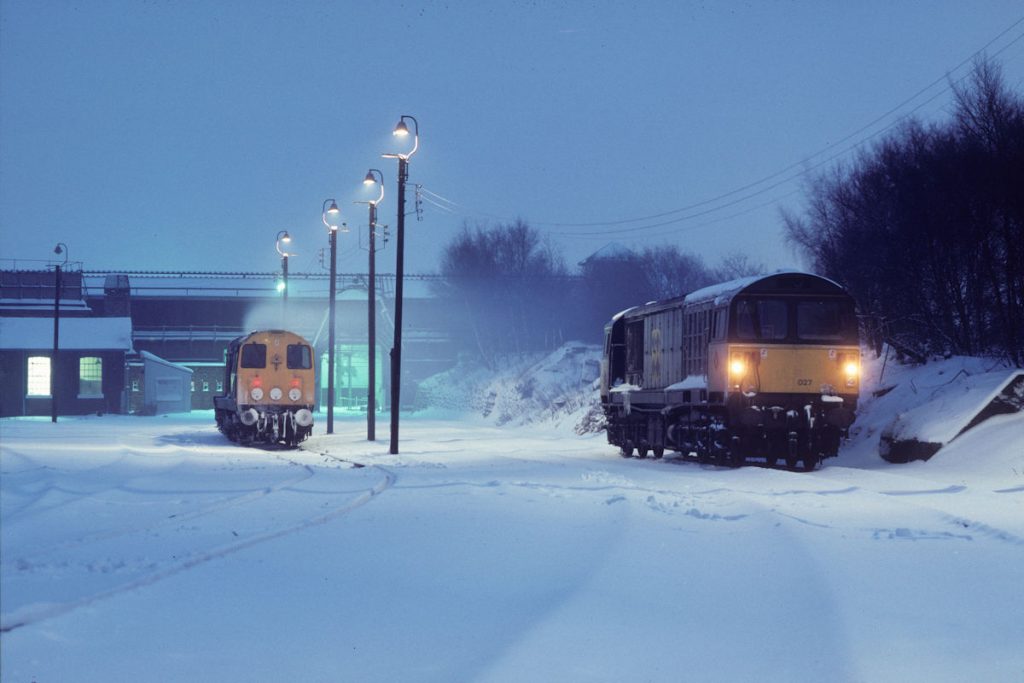
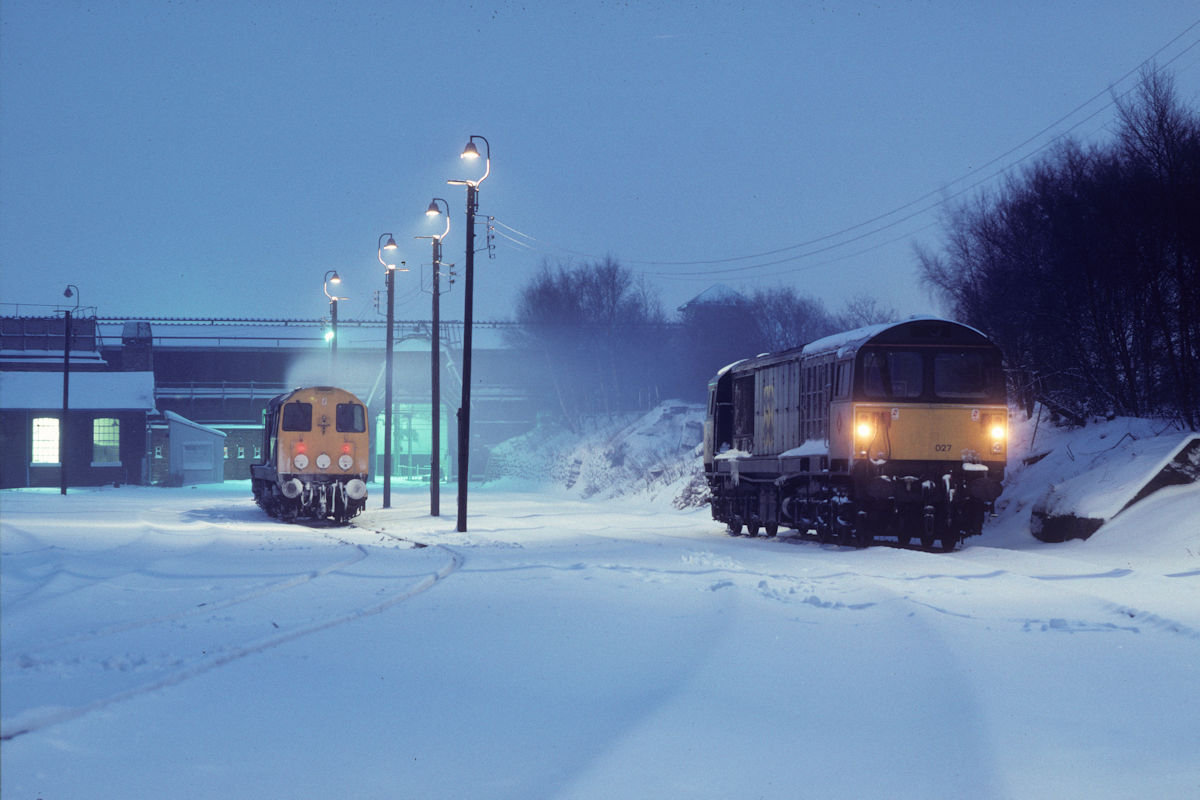
- At dusk on Friday 8th February 1991 the snow abated and left 58027, 20085 and 20059 outside the shed for the last night. Photo: Alan Jones.
-
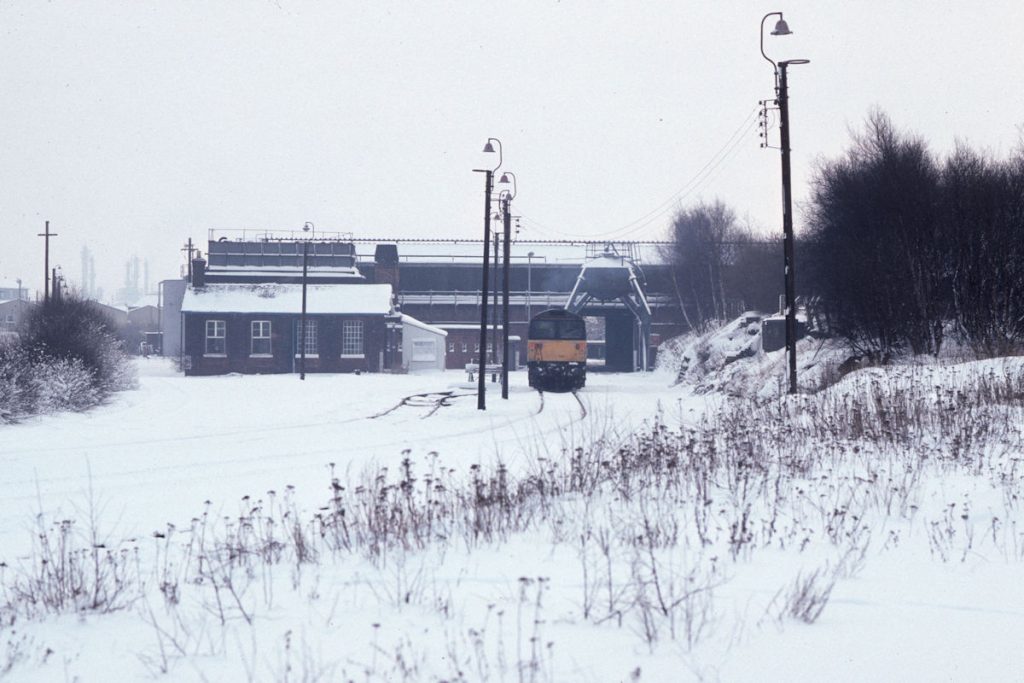
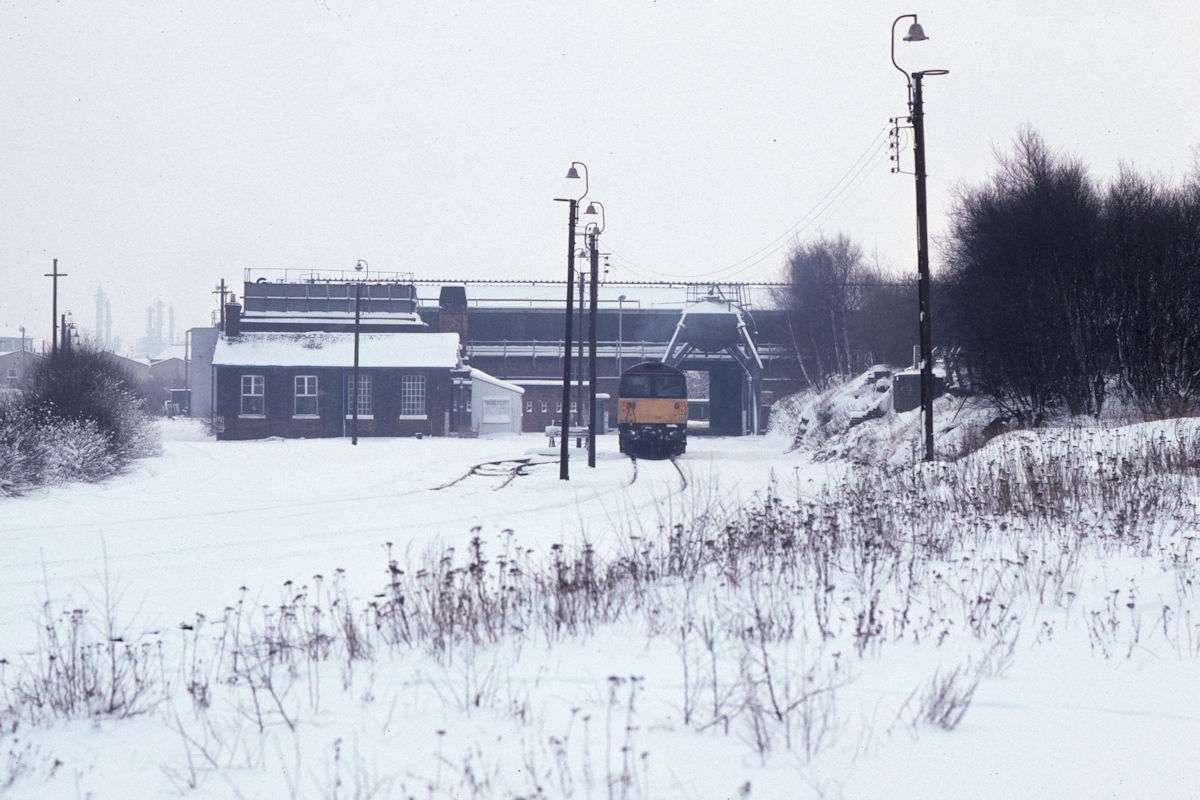
- Saturday 9th February 1991 was the last day of British Rail’s operation of Barrow Hill shed. At the start of the day, 58016 was the sole occupant. Photo: Alan Jones
-
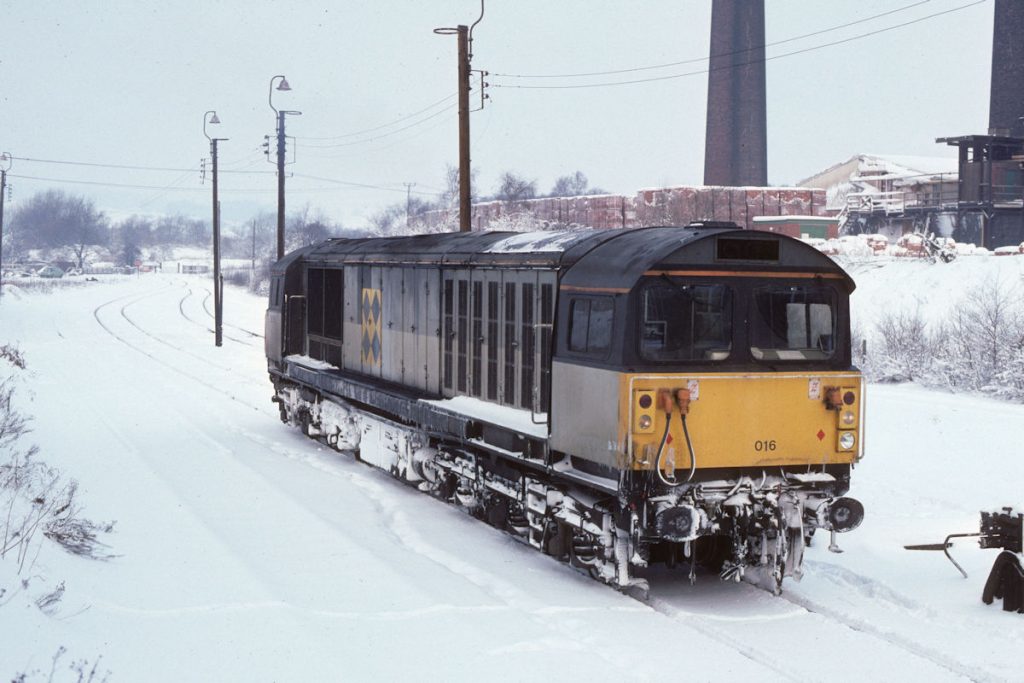
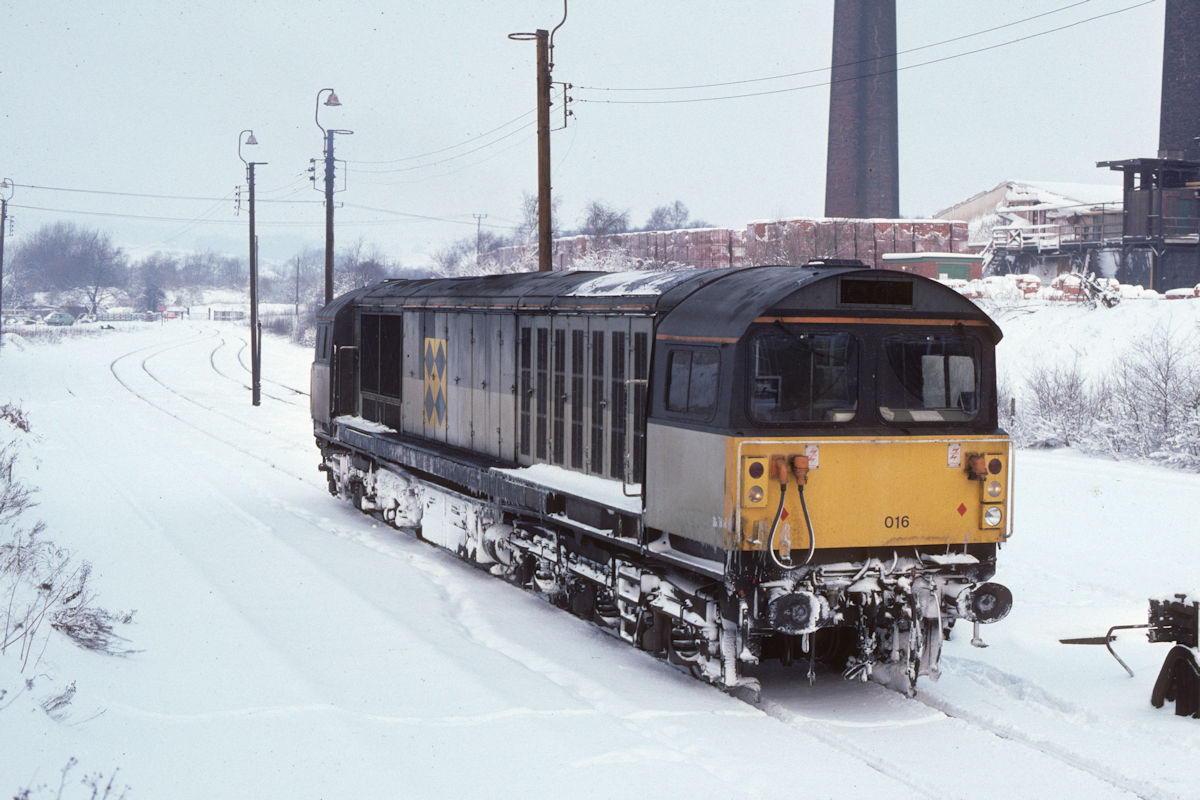
- During the last few days of BR’s operation of Barrow Hill Shed the weather was freezing cold with several inches of snow. 58016 stands outside the Roundhouse on the last day, with icicles hanging from its bodywork. Photo: Alan Jones.
-
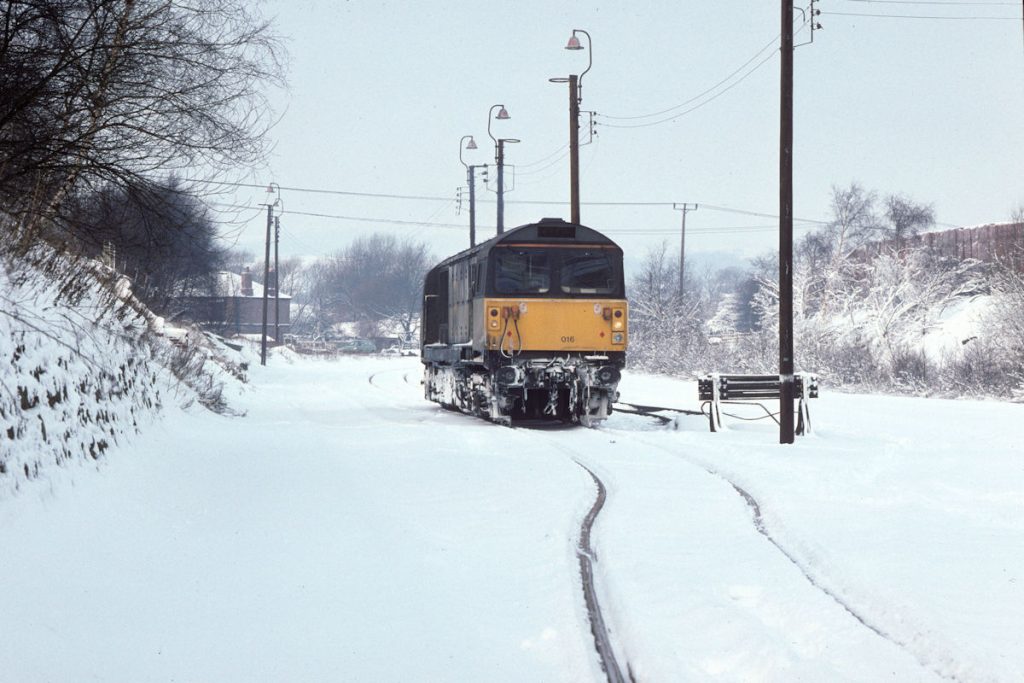
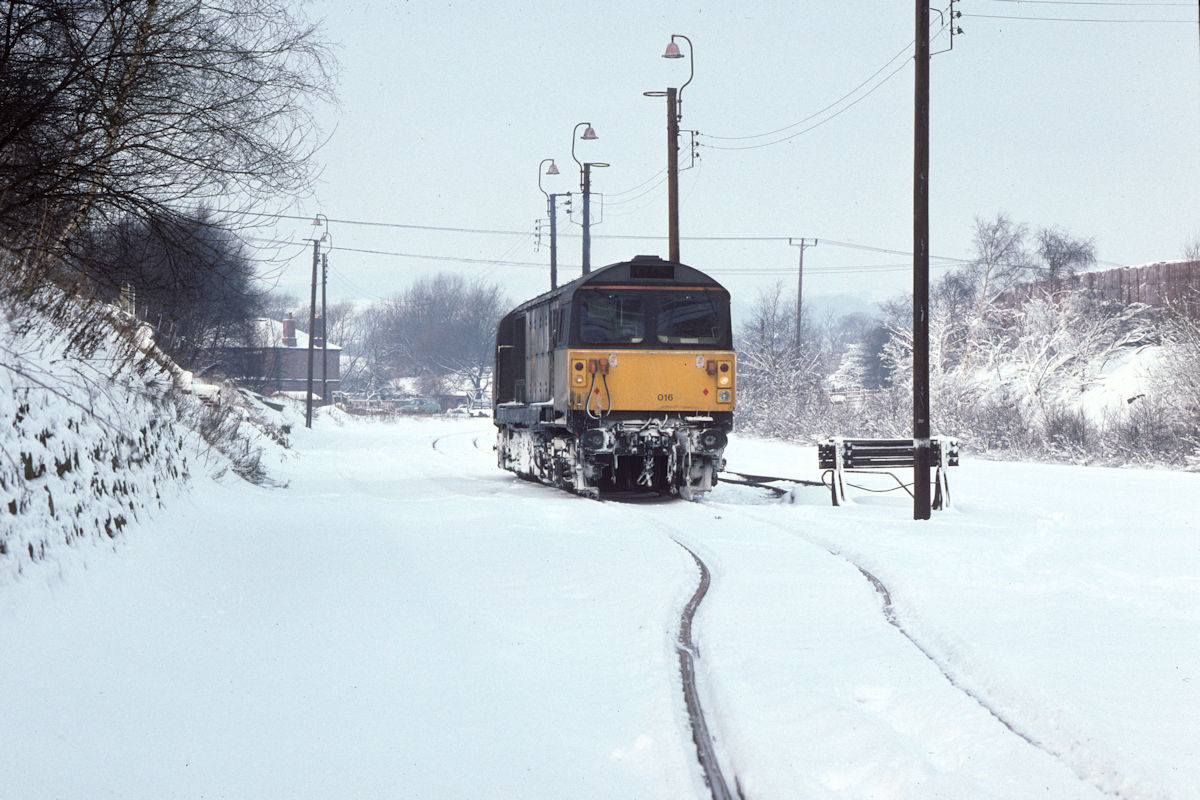
- The depot staff at Barrow Hill gave the photographer permission to take pictures on the Shed during its last few days of its operation under BR. 58016 stands alone on the last day – 9th February 1991. Photo: Alan Jones.
-
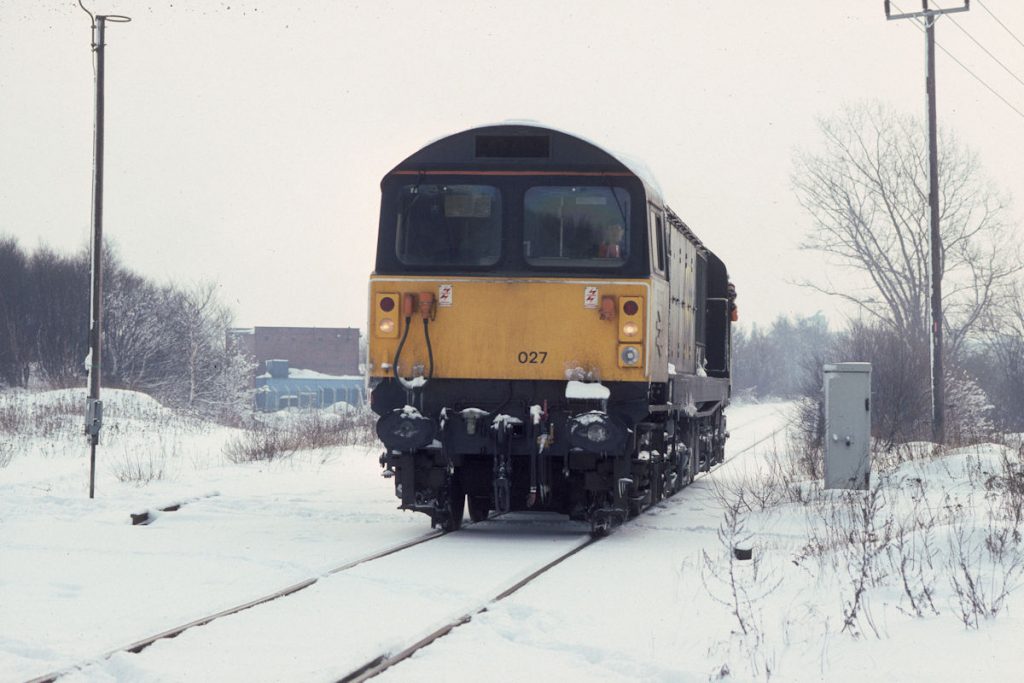
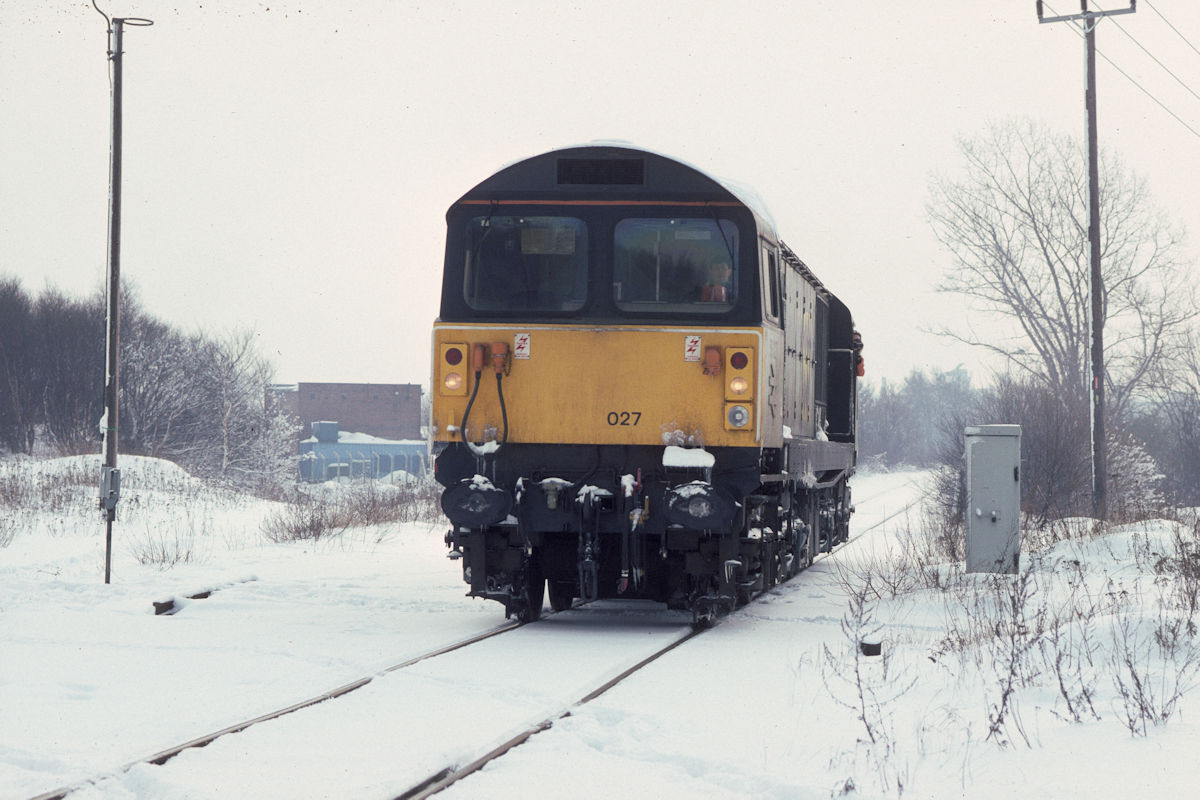
- At approximately 11.30 on Saturday 9th February 1991, BR Class 58 No. 58027 arrived at Barrow Hill Shed to collect 58016. The locomotive is seen approaching the depot headshunt, having come round the sharp curve from the Main Line. Photo: Alan Jones.
-
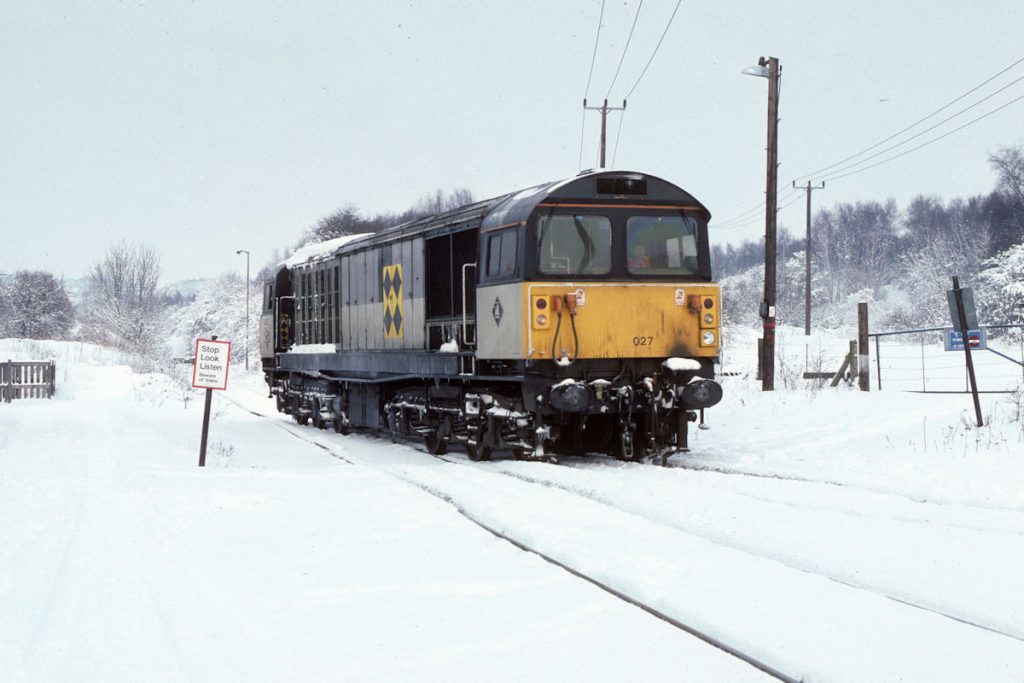
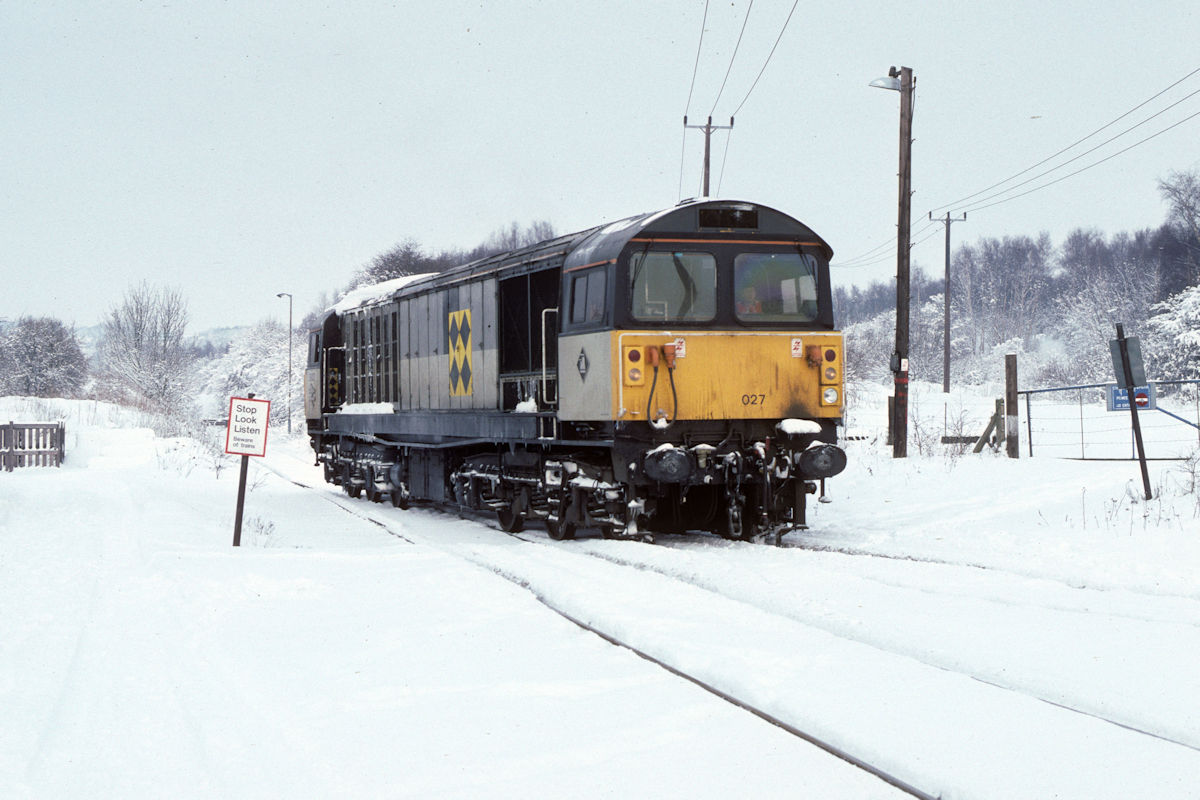
- 58027 inches slowly out of the headshunt and into the depot. Photo: Alan Jones.
-
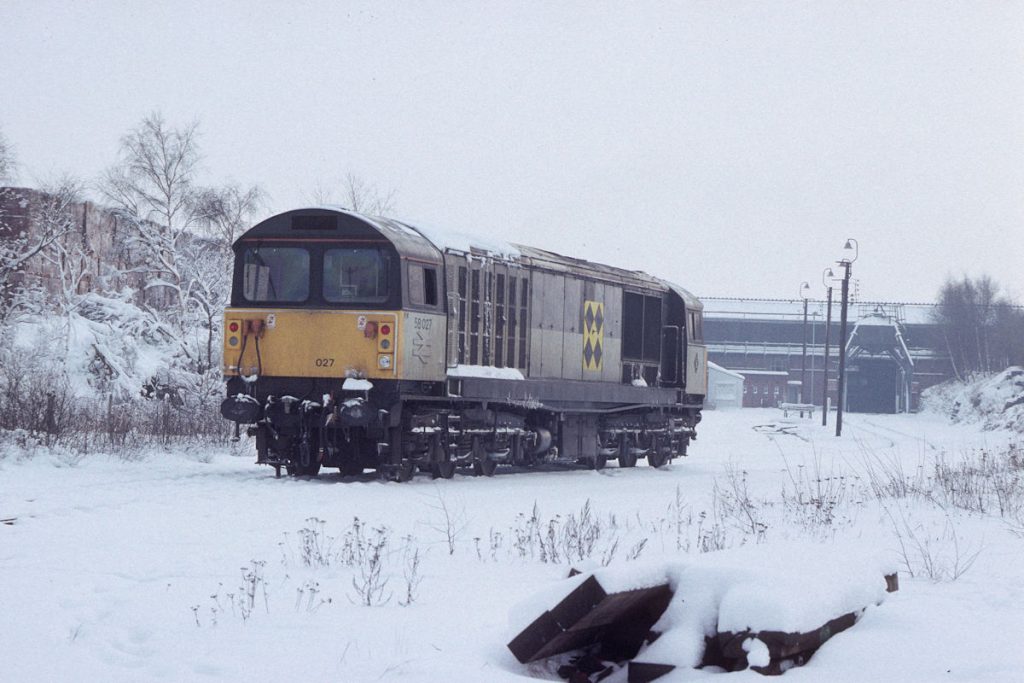
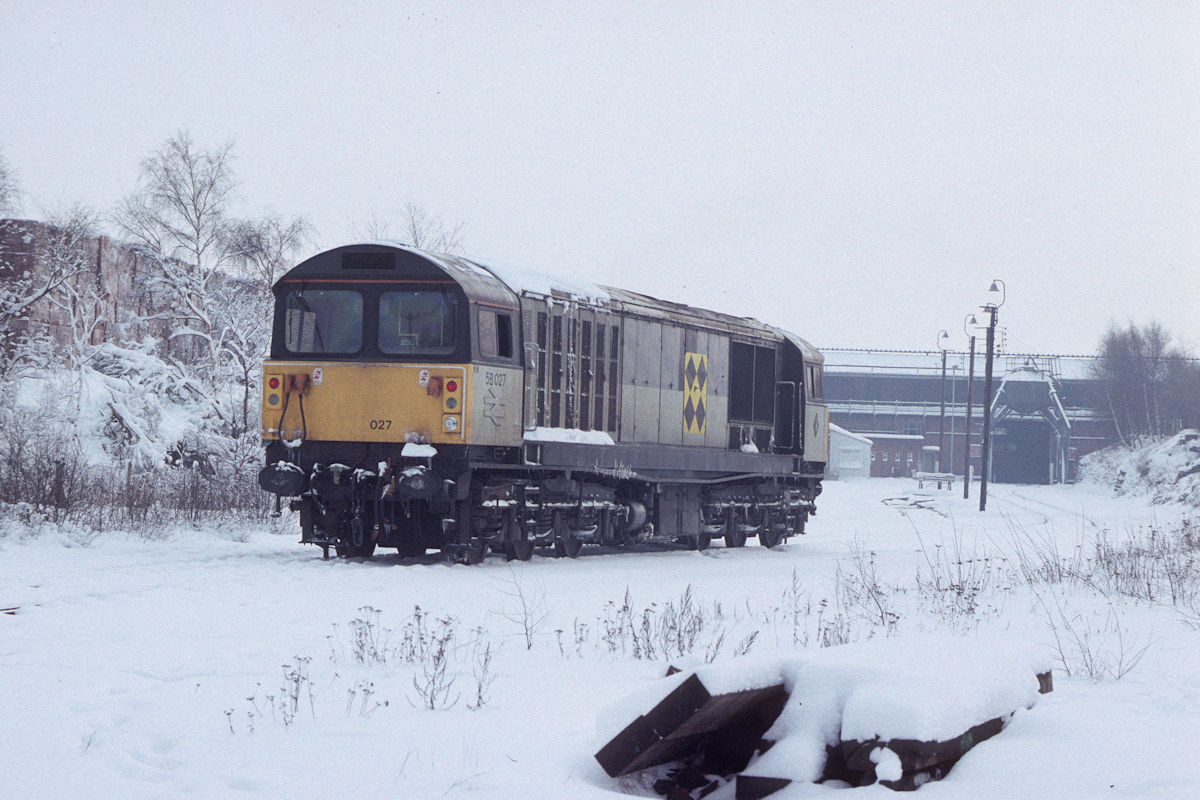
- 58027 continues onto the Shed to collect 58016, which by this time had moved into the Roundhouse. Photo: Alan Jones.
-
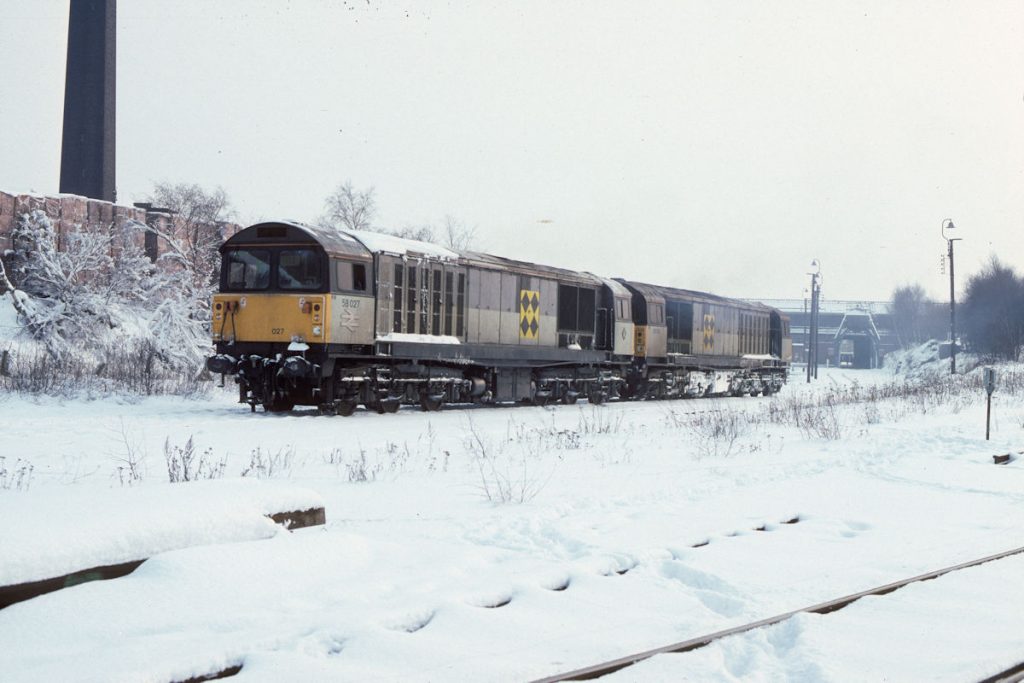
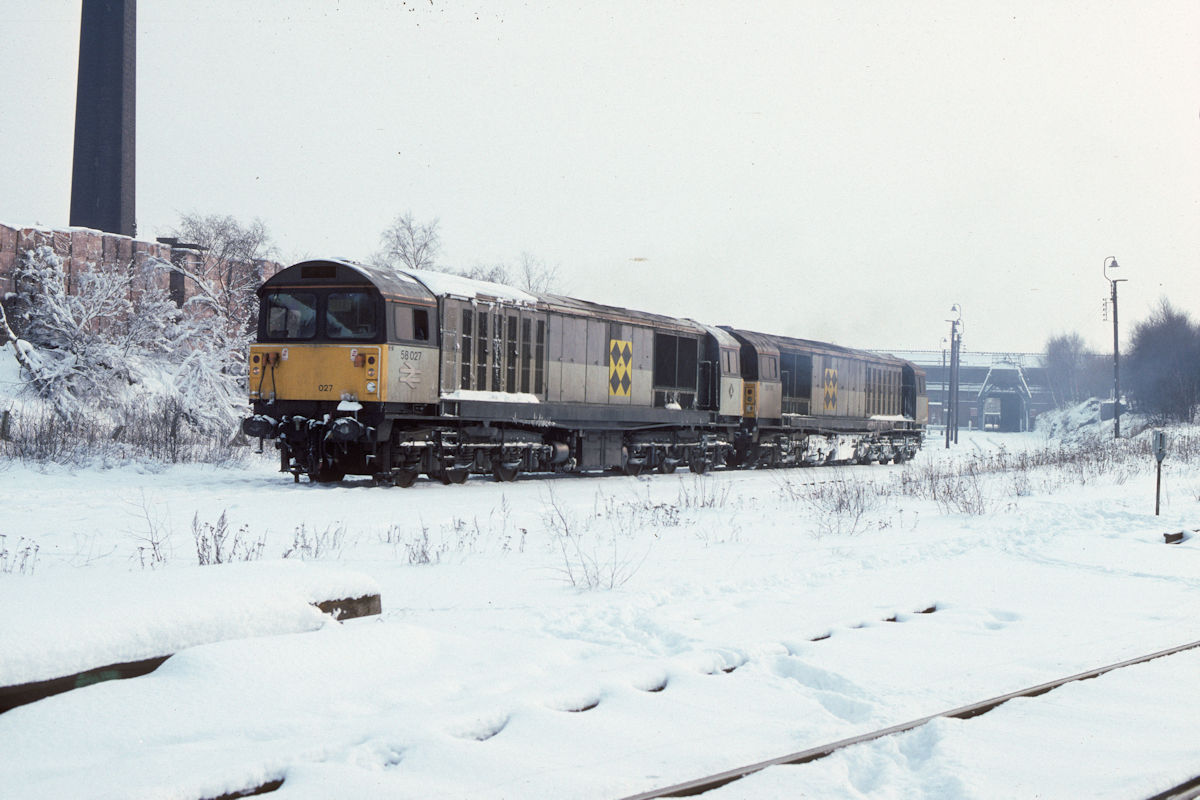
- At approximately 11.40 on Saturday 9th February 1991, BR Class 58 Nos. 58027 and 58016 leave Barrow Hill Shed for Worksop. Photo: Alan Jones.
-
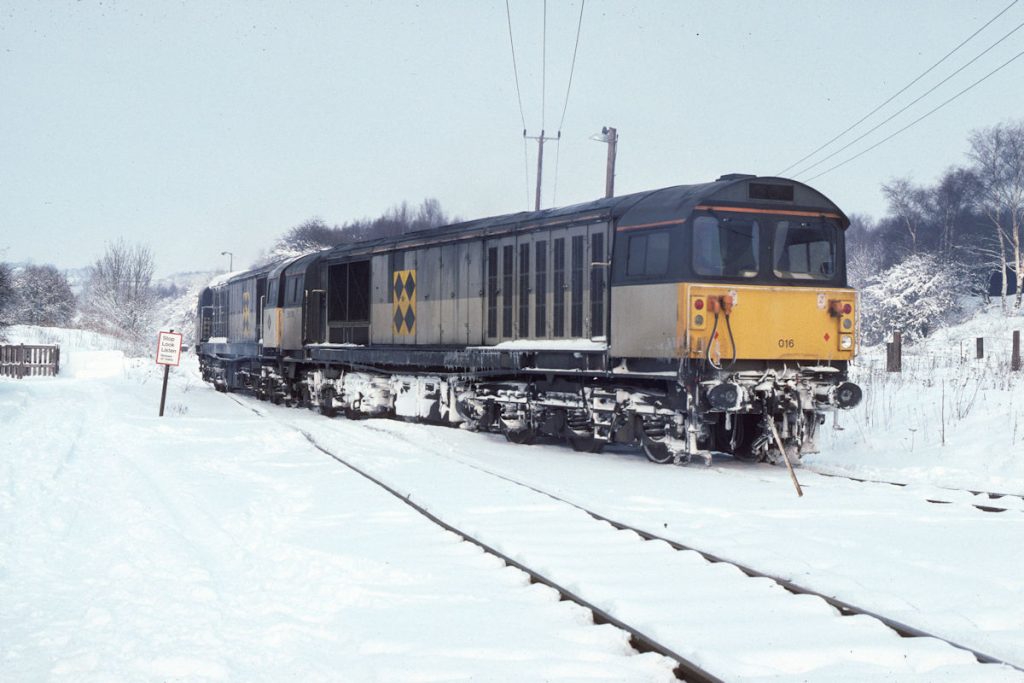
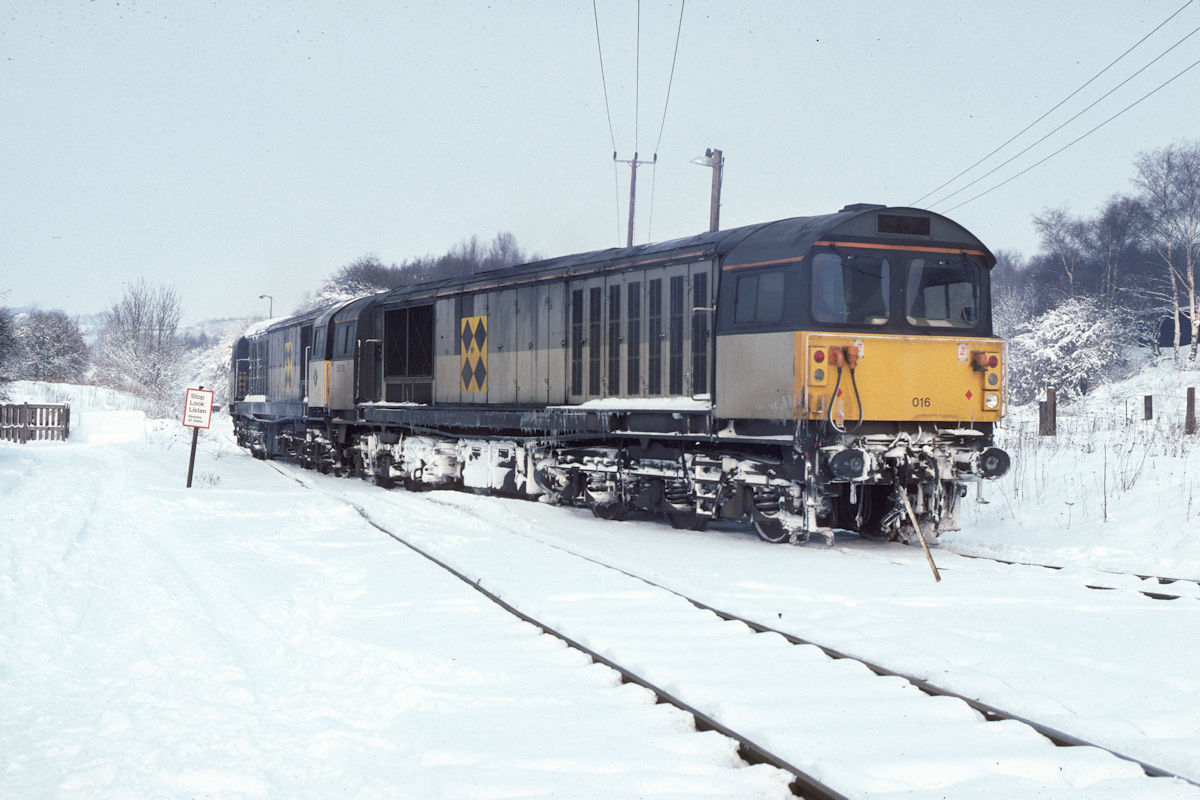
- With a very weak sun trying to break through, 58016 and 58027 draw into the headshunt as they depart from Barrow Hill Shed on its last day of BR operation, Saturday 9th February 1991. Photo: Alan Jones.
-
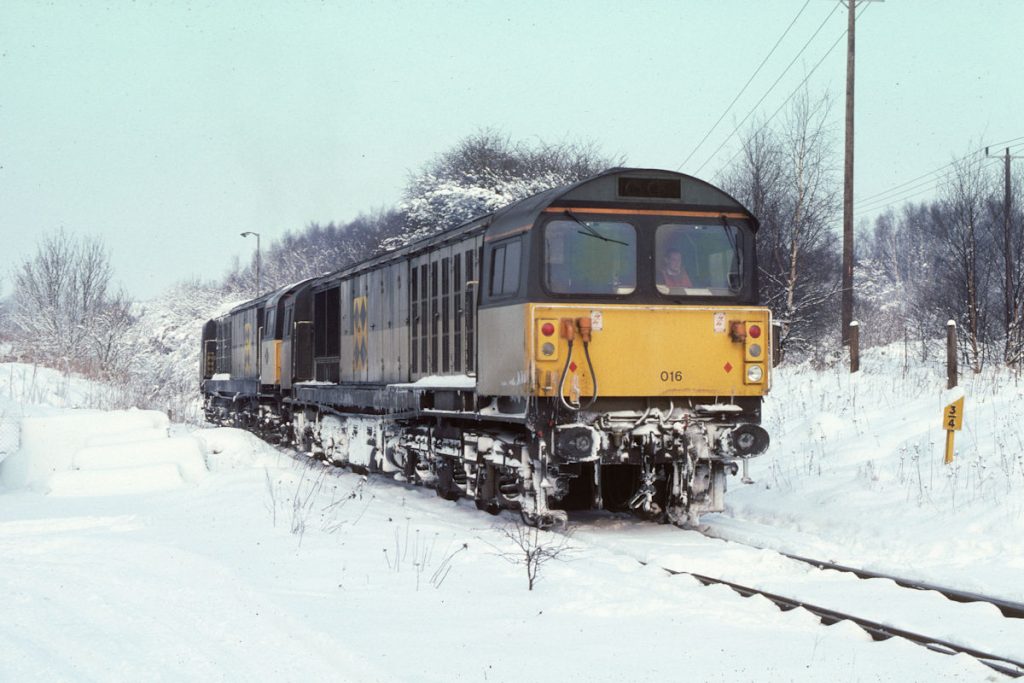
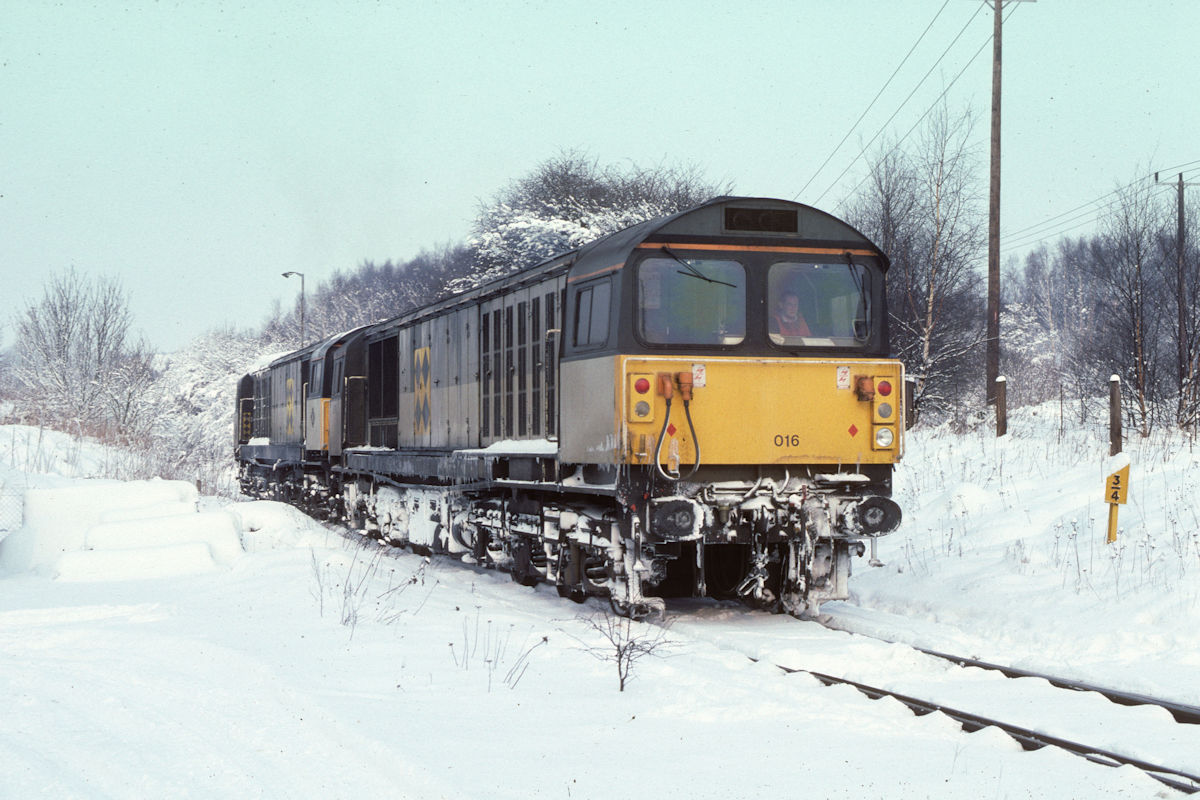
- The driver has thrown the points, changed ends and prepares to head back to the Main Line with 58016 and 58027. Photo: Alan Jones
-
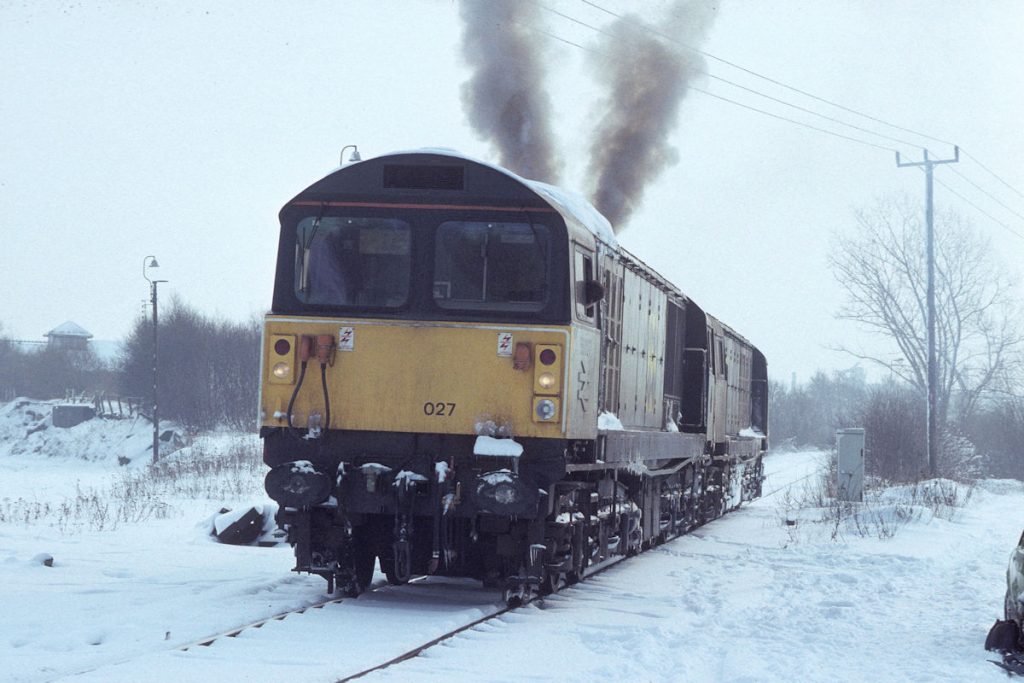
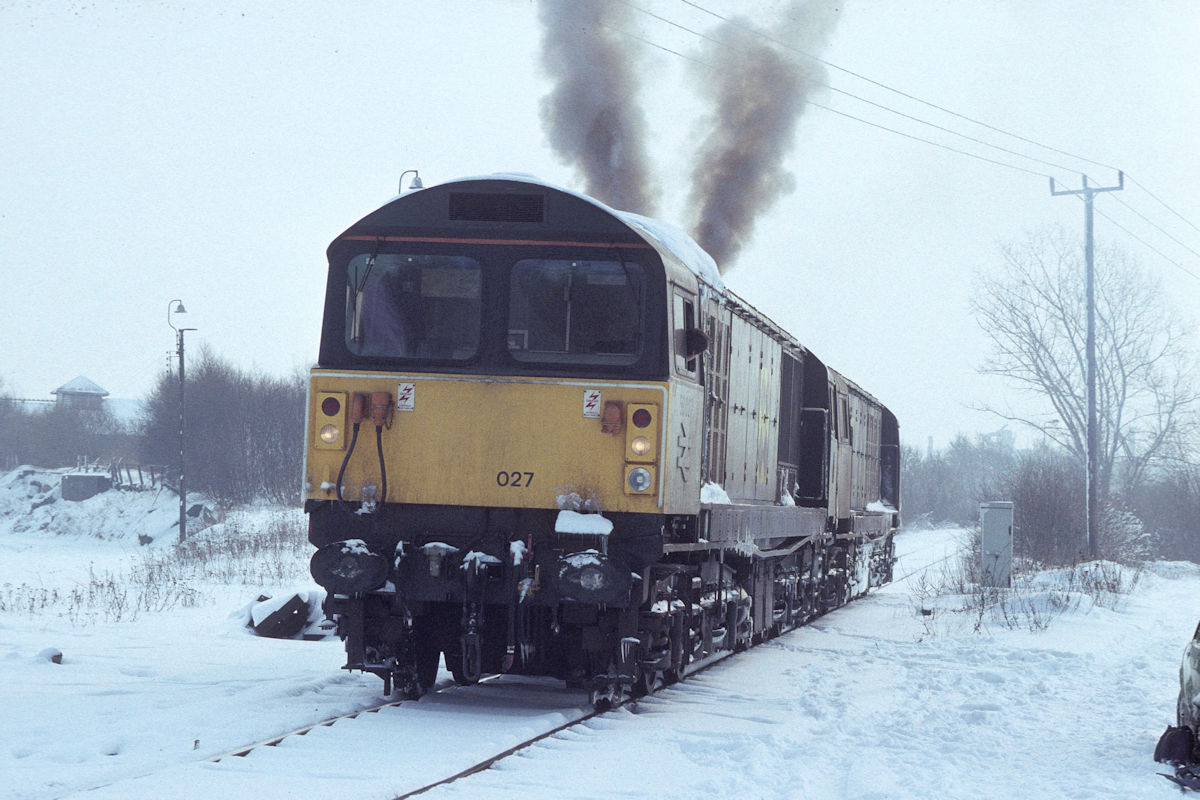
- A quick burst on the throttle and 58027 and 58016 make their final departure from Barrow Hill Shed, to Worksop, on its last day of BR operation, Saturday 9th February 1991. Photo: Alan Jones.
-
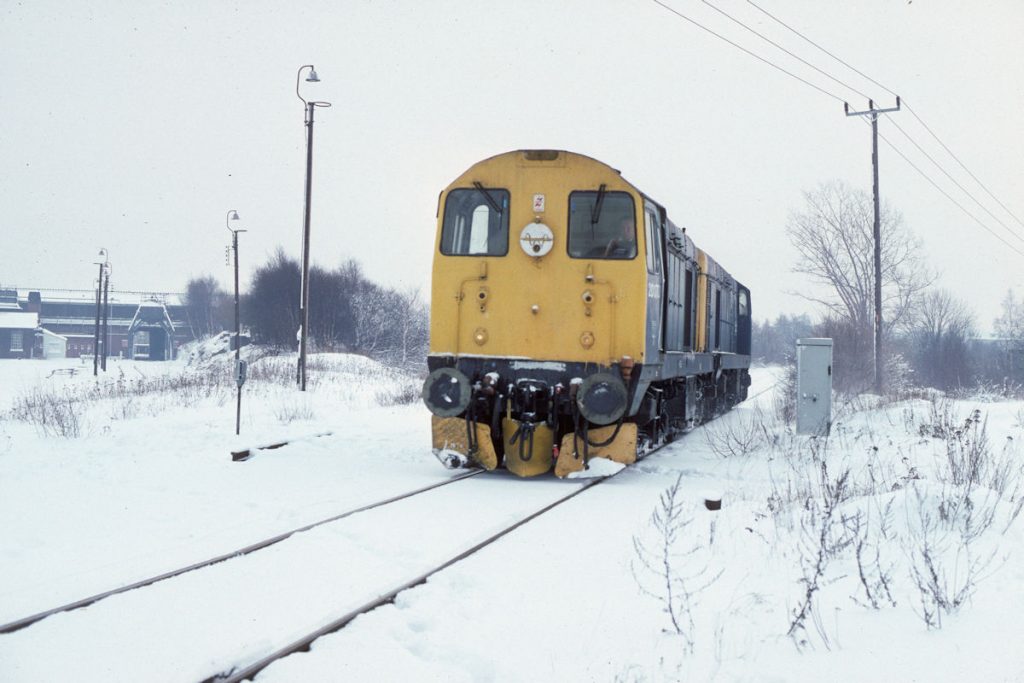
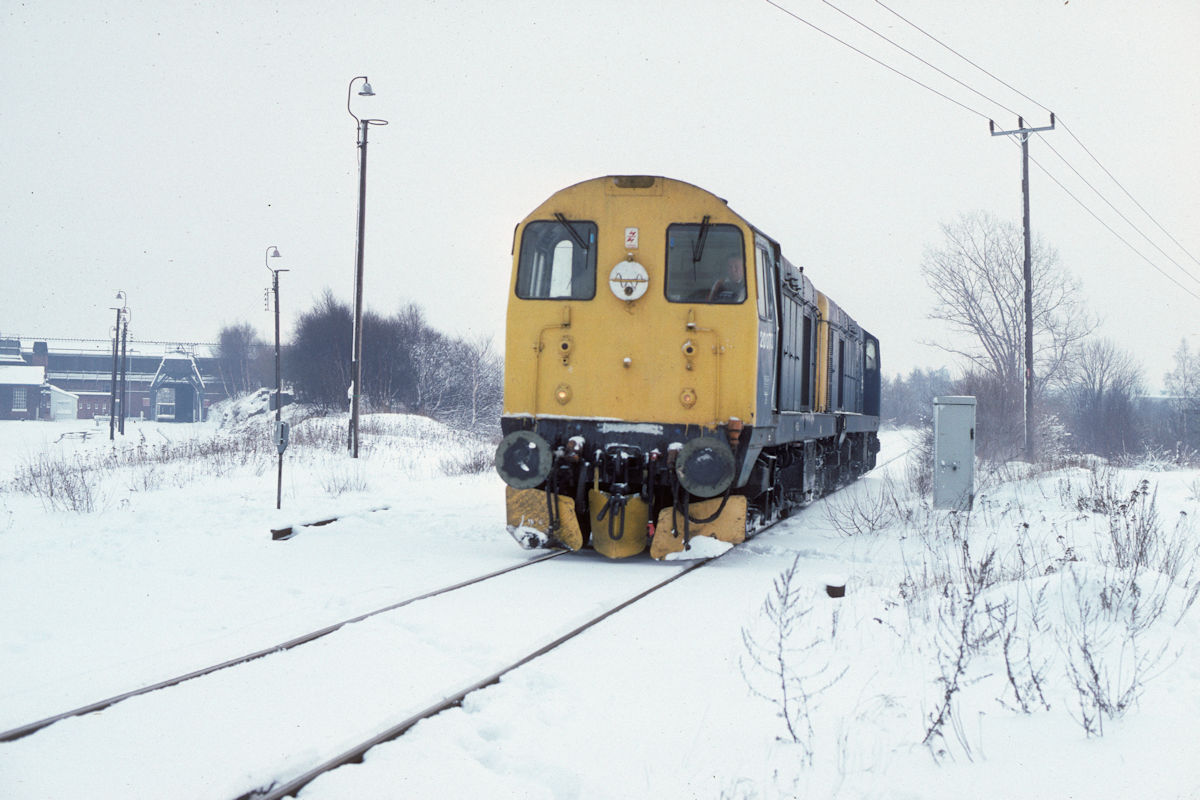
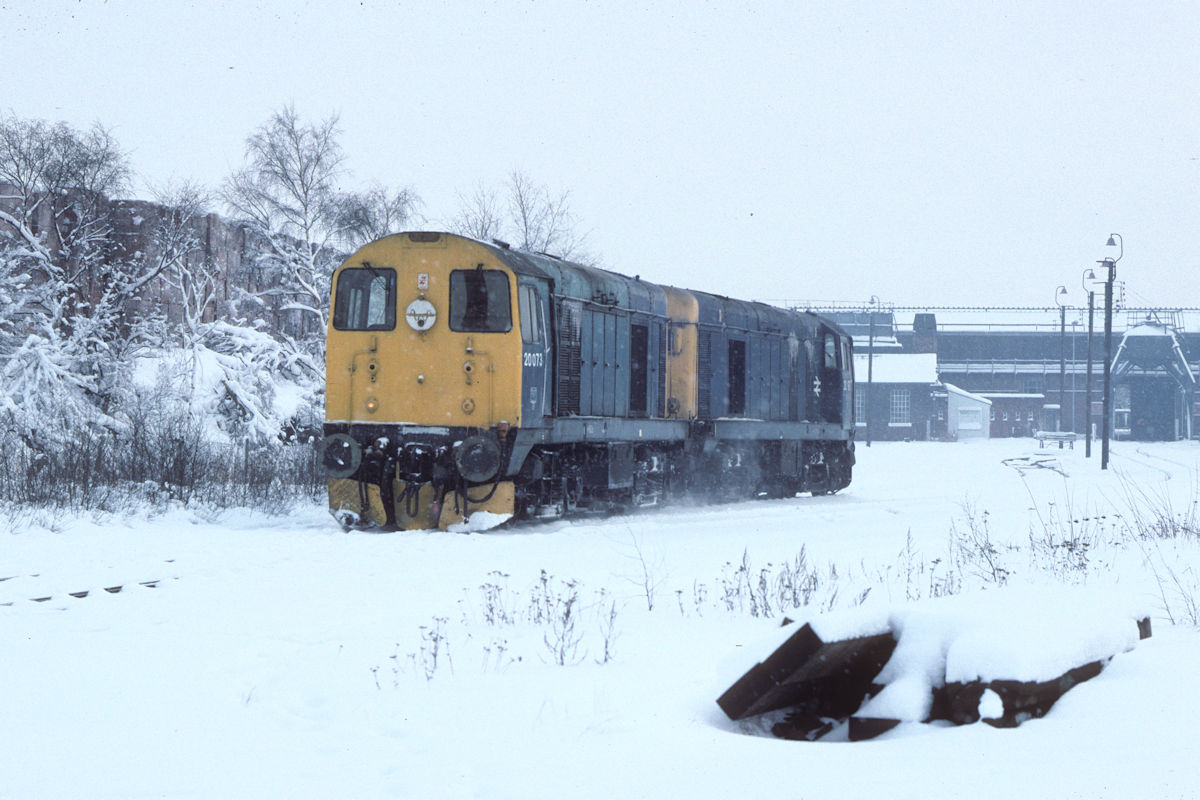
- Approximately twenty minutes after 58027 and 58016 left the Shed, Class 20s Nos. 20073 and 20197 arrived to collect some last remaining items of BR property. The pair is seen arriving at approximately 12.00 on Saturday 9th February 1991. Photo: Alan Jones.
-
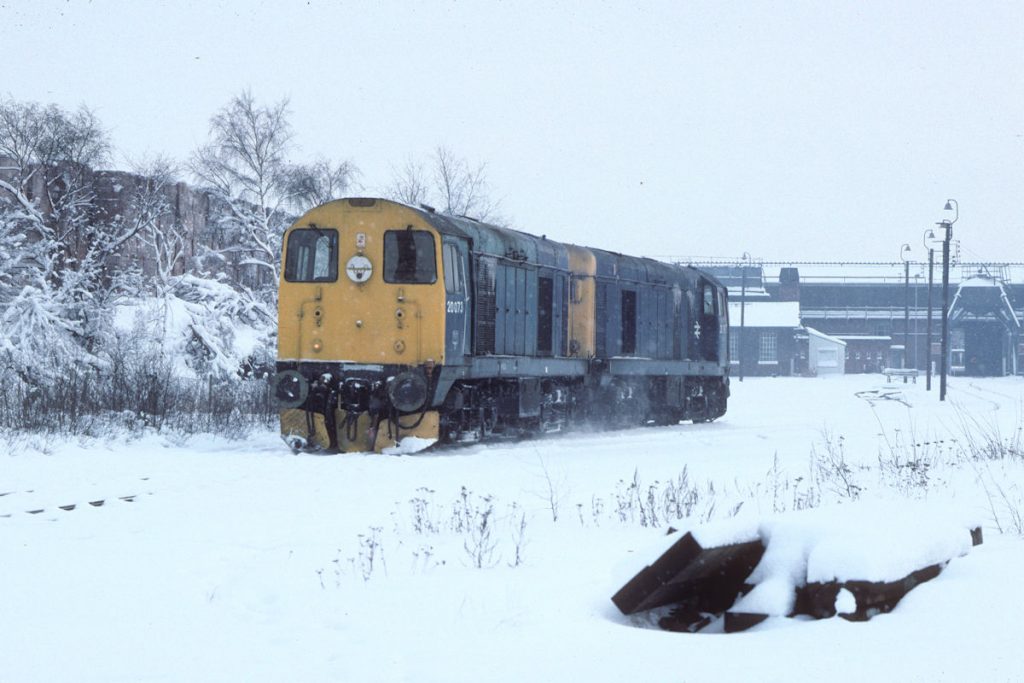
- The pair is seen again after reversing in the Headshunt, making its was towards the depot offices. Photo: Alan Jones.
-
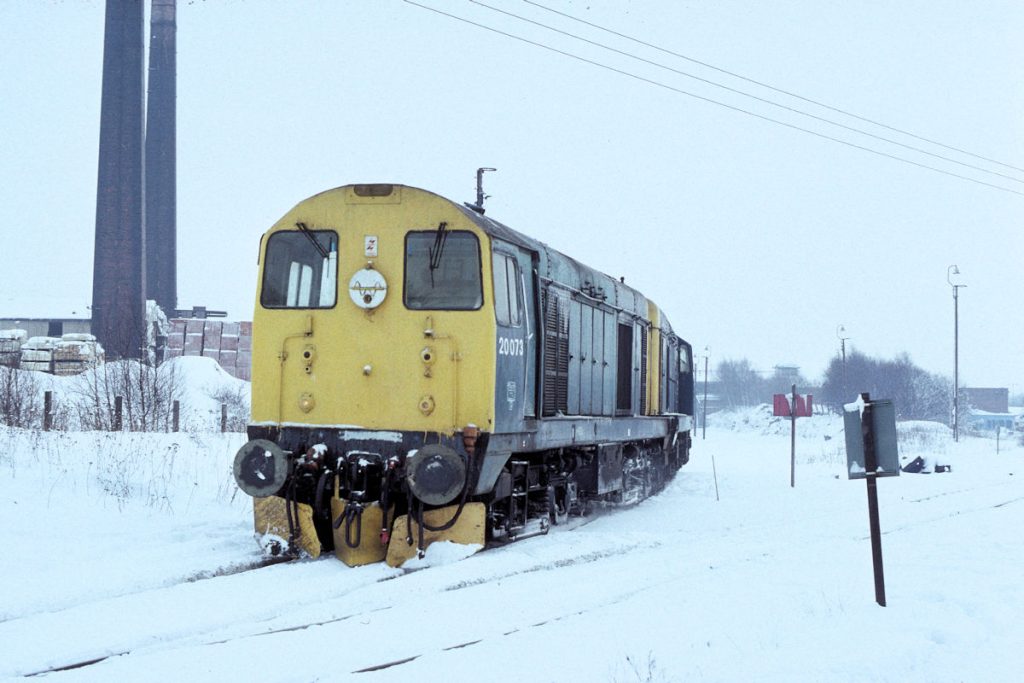
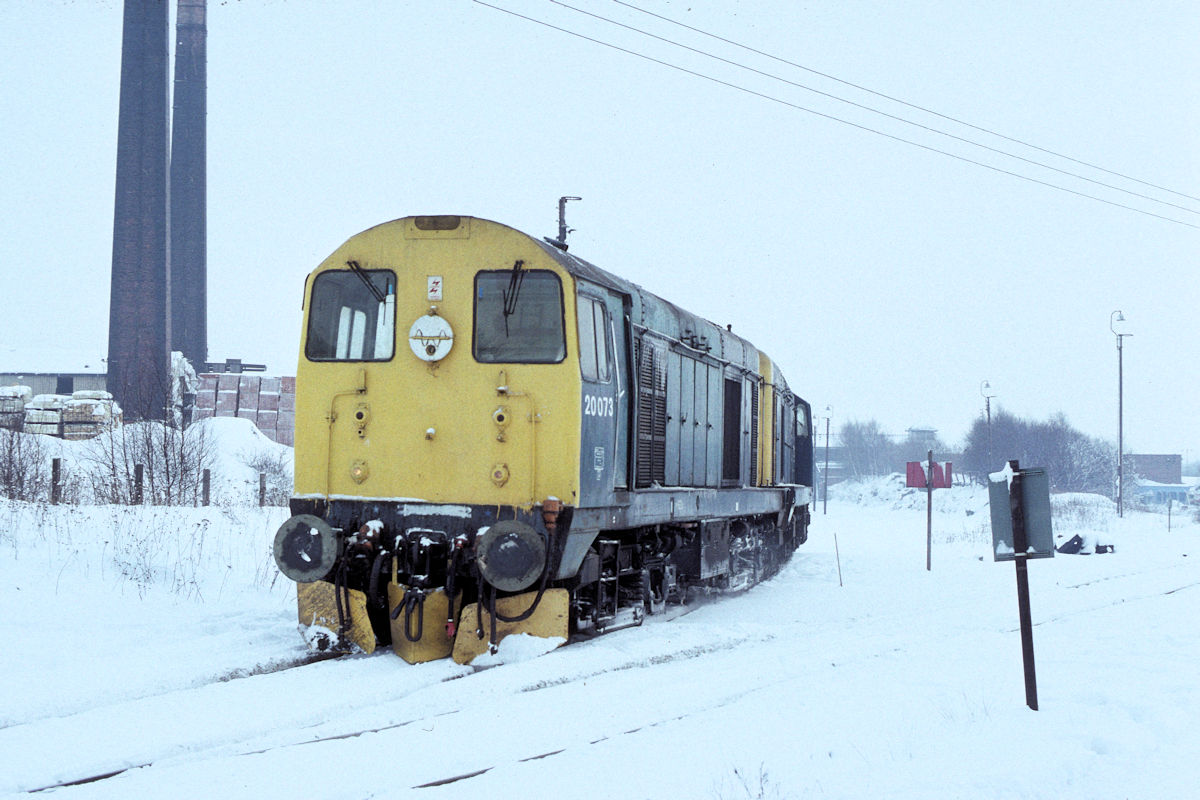
- Having collected the necessary items, 20073 and 20197 move out of the depot and into the Headshunt at approximately 12.10 on Saturday 9th February 1991. Photo: Alan Jones.
-
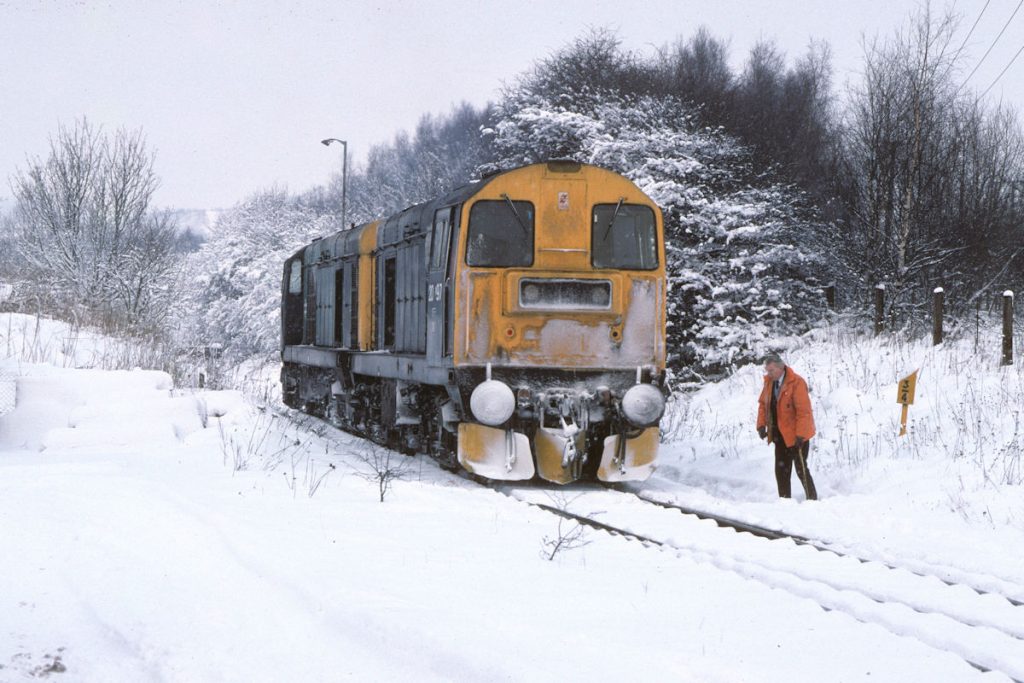
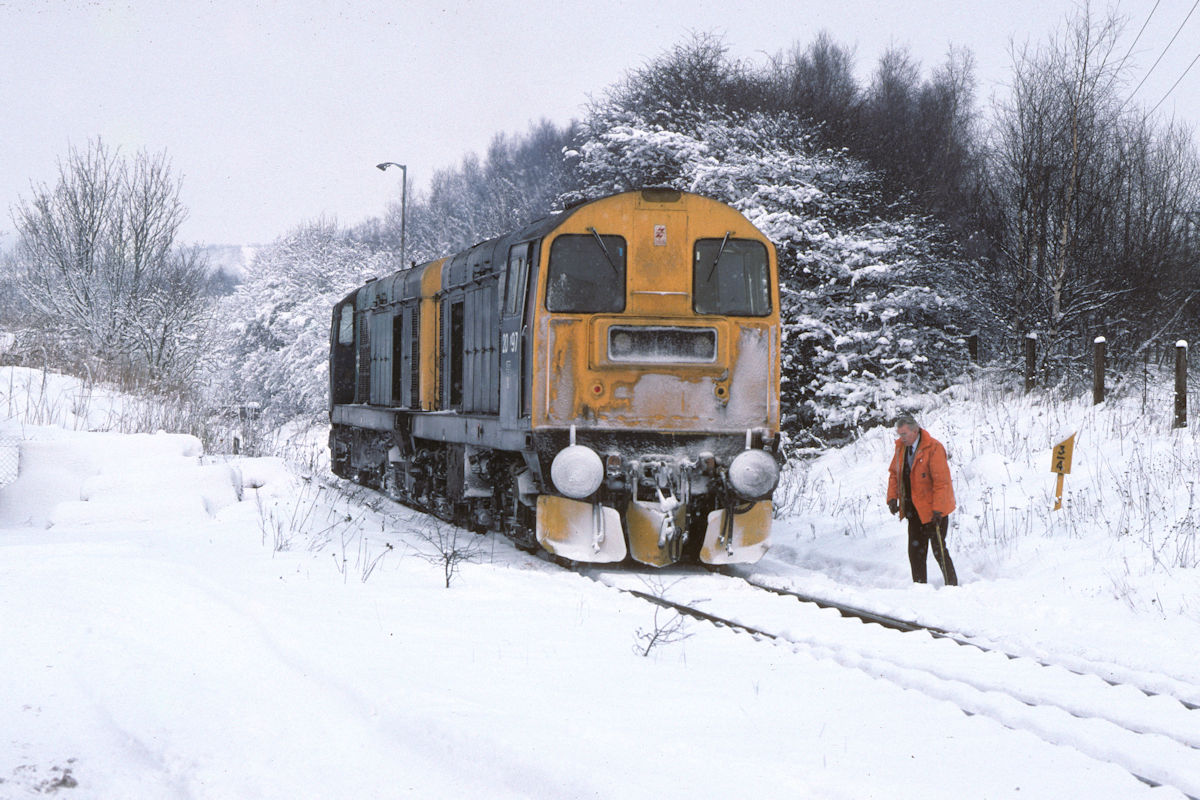
- The points are set for the spur round to the Old Road as 20197 and 20073 prepare to make the historic final departure from Barrow Hill. Photo: Alan Jones.
-
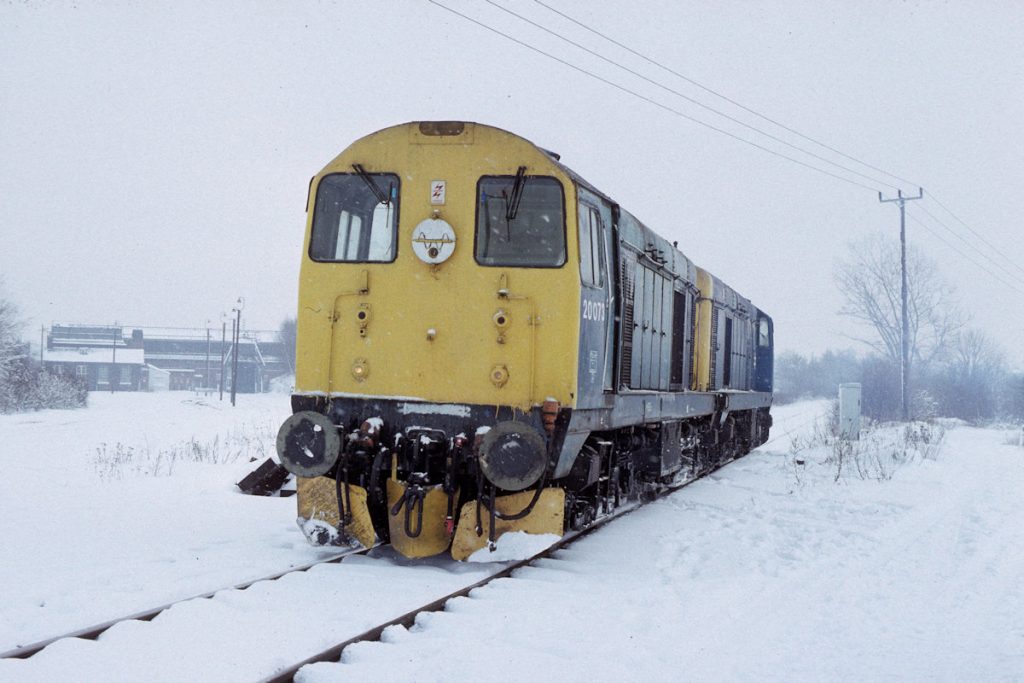
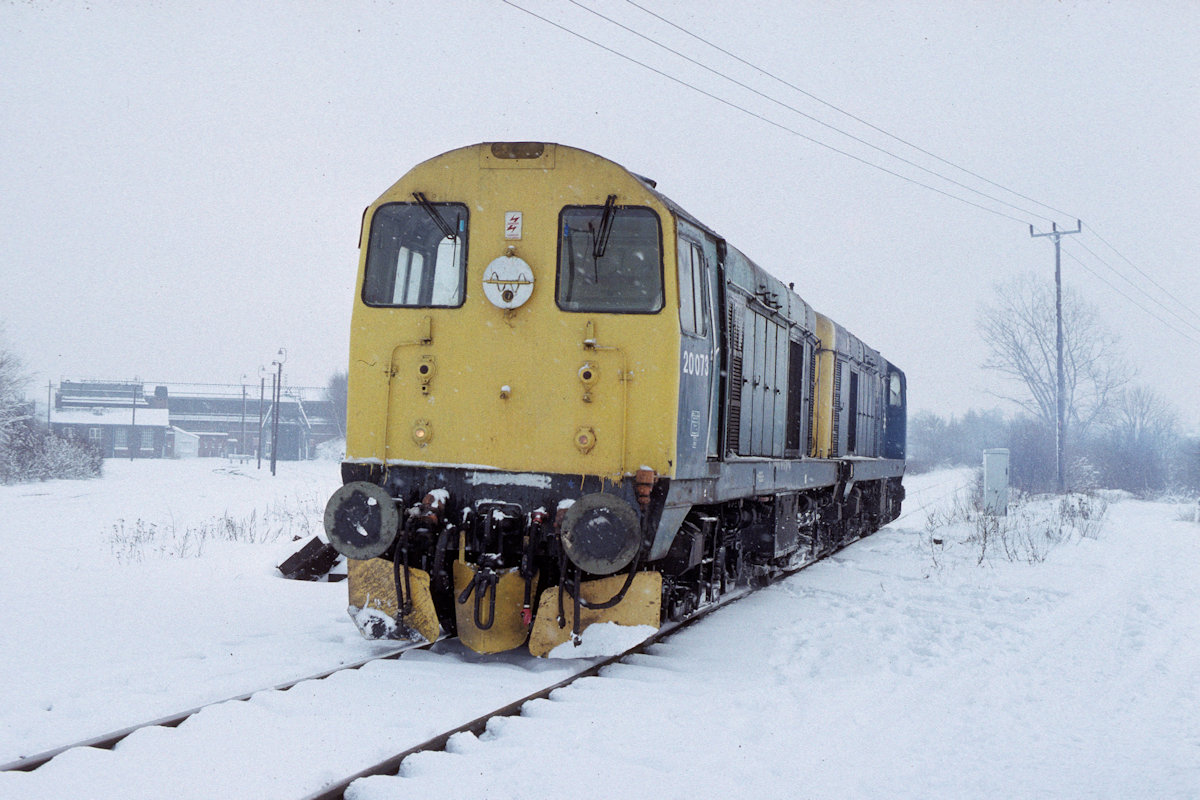
- The final movement from Barrow Hill Shed took place at approximately 12.10 on Saturday 9th February 1991 as 20073 and 20197 departed, bringing to a close 120 years of operation. Here the Class 20s make their final move round the spur to the Old Road, with no fuss or bother, leaving the now-disused Roundhouse in the background. Photo: Alan Jones.
-
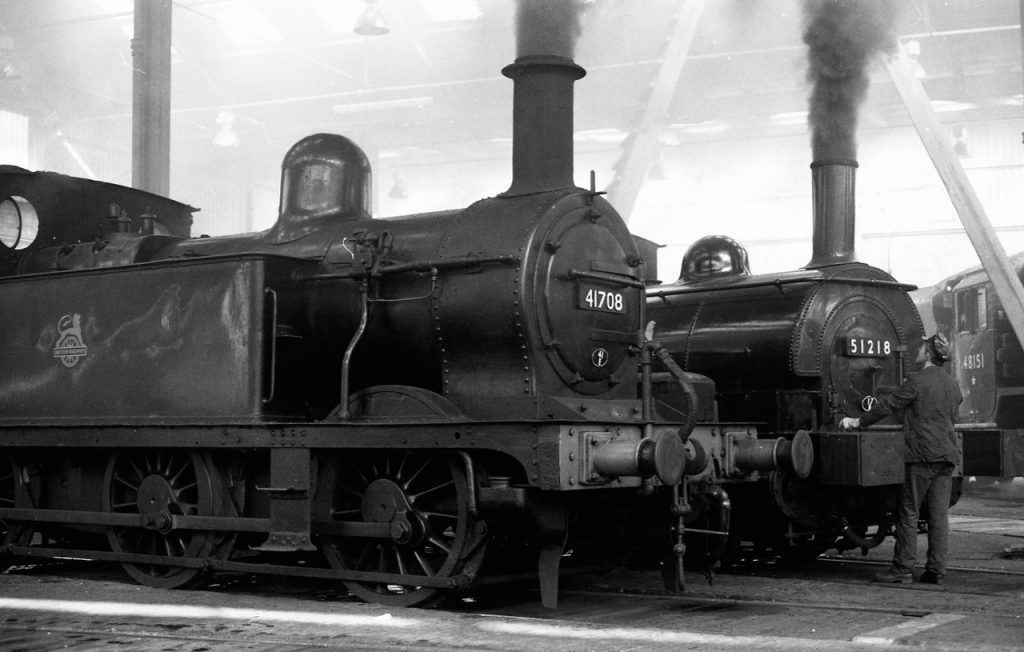
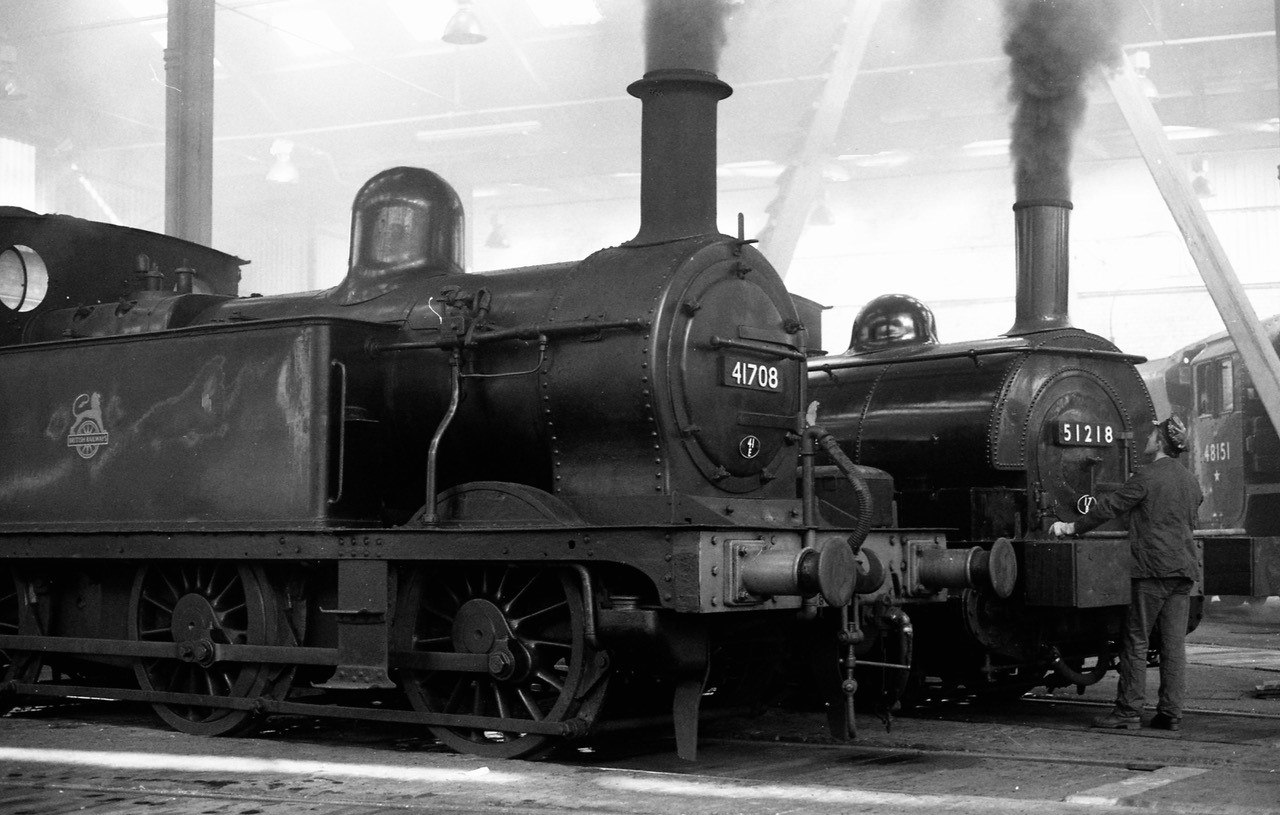
- Midland Railway 1377 Class No. 41708, built at Derby Works in 1880 and Lancashire and Yorkshire Railway Class 21 ‘Pug’ No. 51218, built at Horwich Works in 1901, stand in the Roundhouse. Photo: Michael Smyth.
-
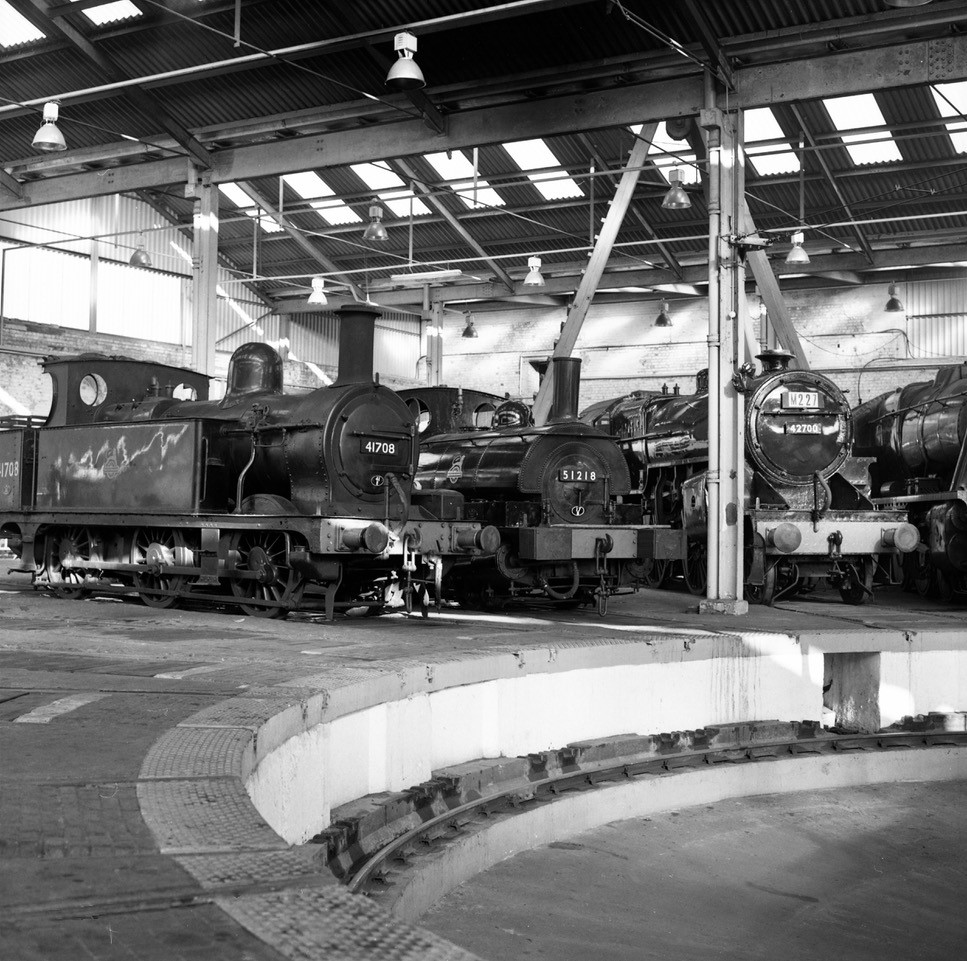
- A view across the turntable shows MR 0-6-0 No. 41708, L&Y 0-4-0 No. 51218 and 1926-built 2-6-0 Horwich Crab No. 42700. Photo: Michael Smyth.
-
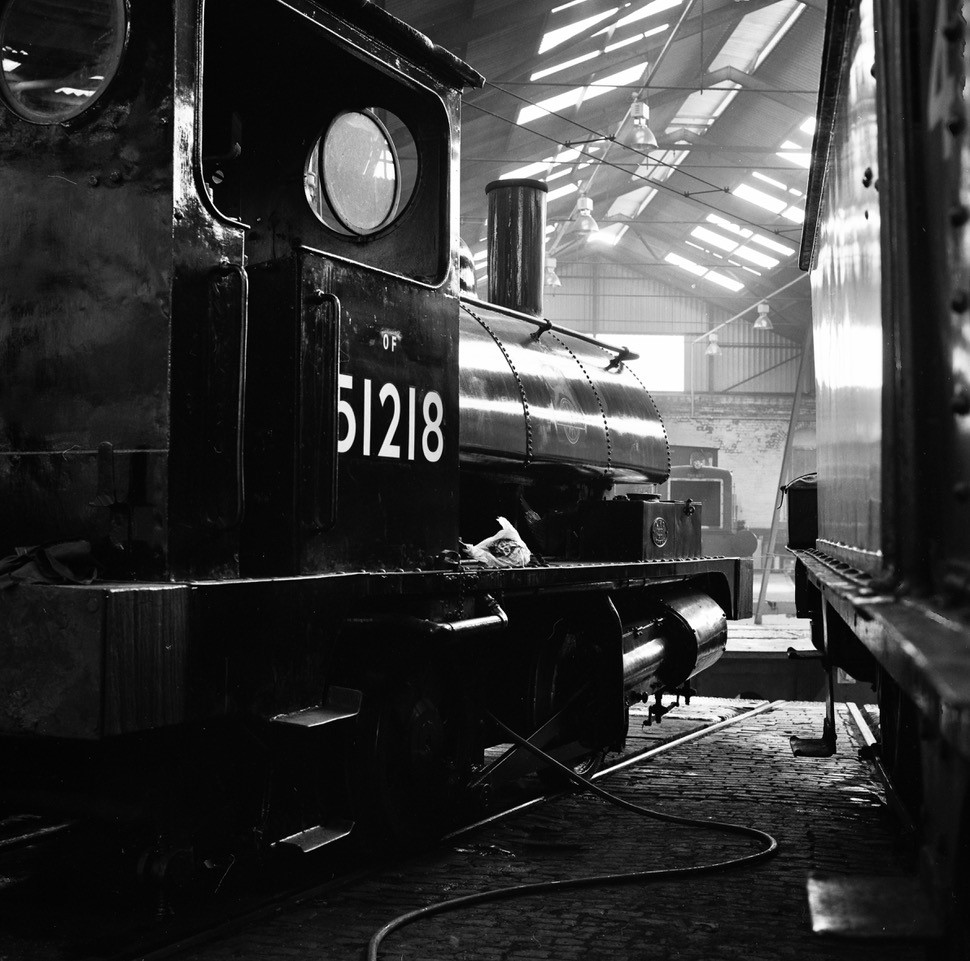
- The sixty L&Y 0-4-0 Pugs were classified as 0F and were intended for shunting around the tightly curved lines in places like Fleetwood, Goole, Liverpool and Salford Docks. Photo: Michael Smyth.
-
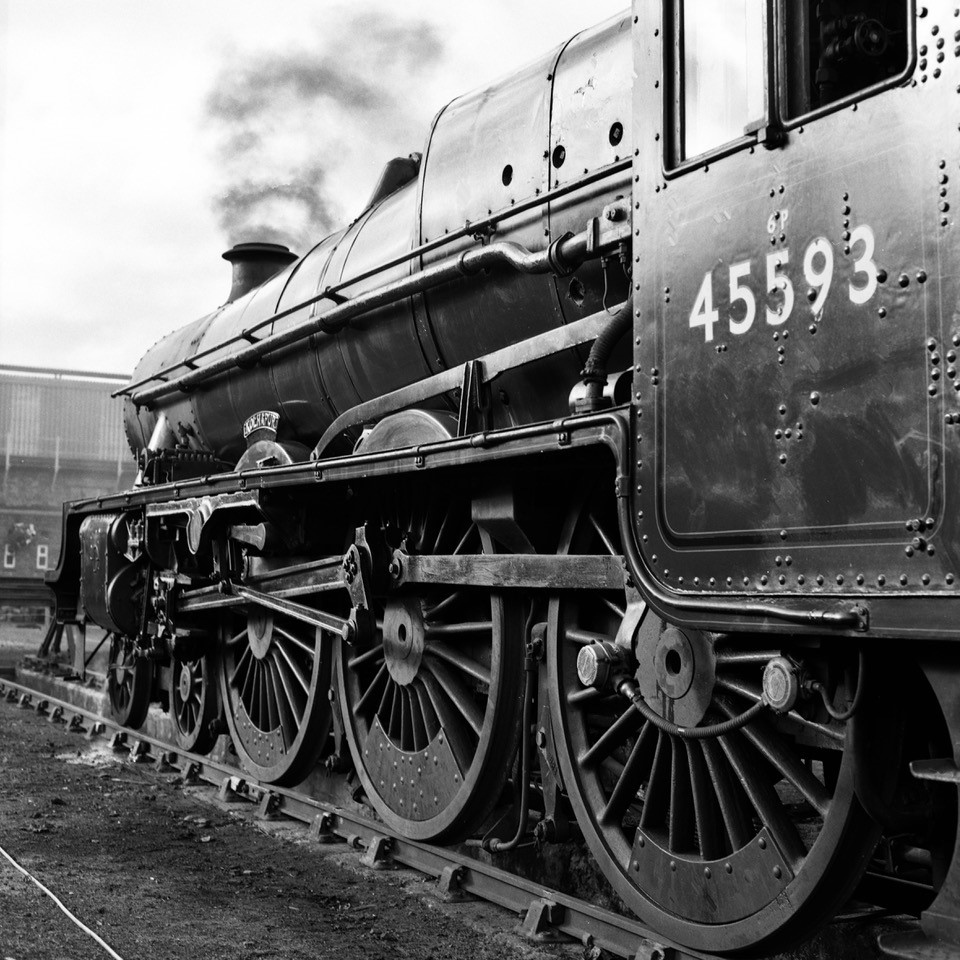
- LMS Jubilee 45593 ‘Kolhapur’ finished its BR service in 1968 in good condition and has been a mainstay of steam operations on BR since the 1980. Photo: Michael Smyth.
-
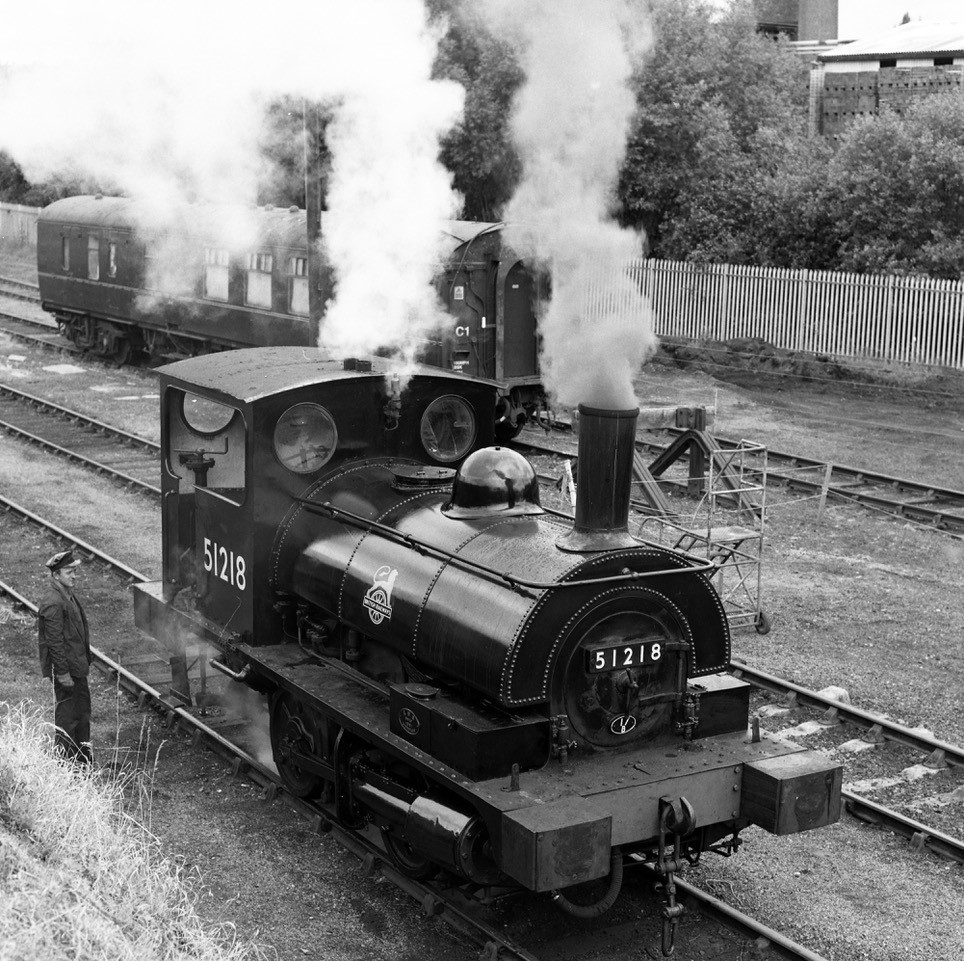
- L&Y Pug No. 51218 would not have been seen in Midland territory around Staveley but nonetheless fits in very well with the Barrow Hill environment. Photo: Michael Smyth.
-
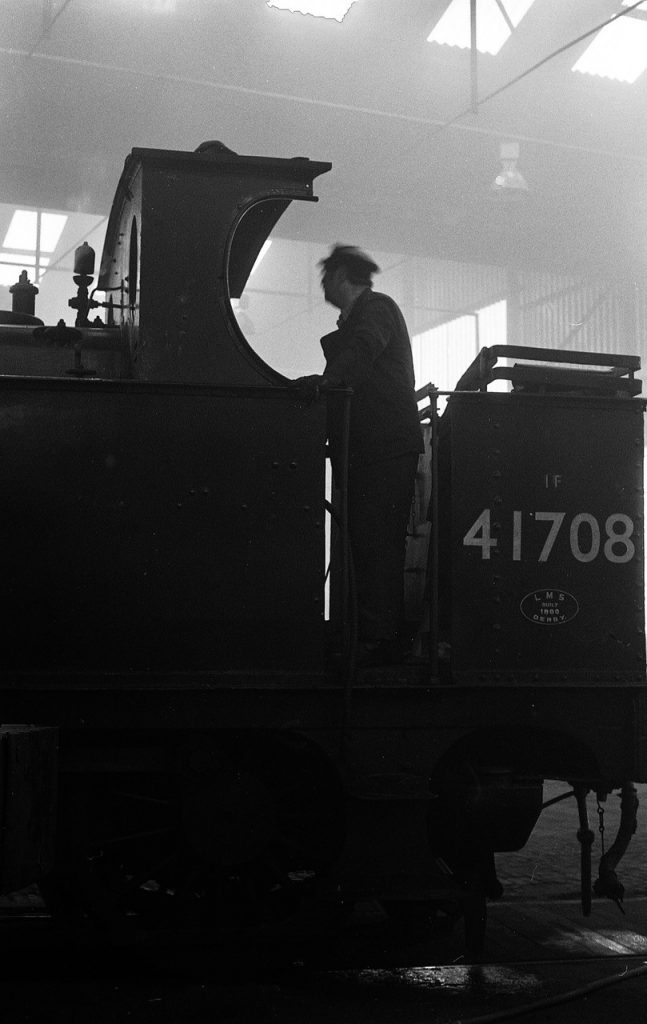
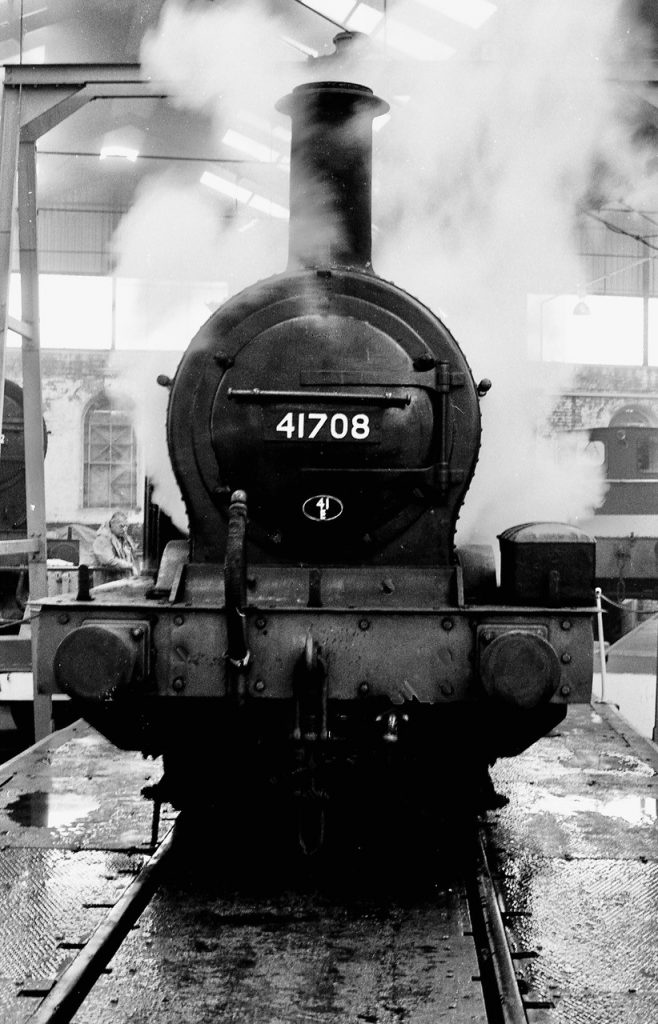
- The photographer has emulated the Colin Gifford style of photography in the Roundhouse, concentrating on a more abstract representation in light and shade than the traditional three-quarter portrait. 41708 is prepared for the day’s activities as the sun streams through the shed roof. Photo: Michael Smyth.
-
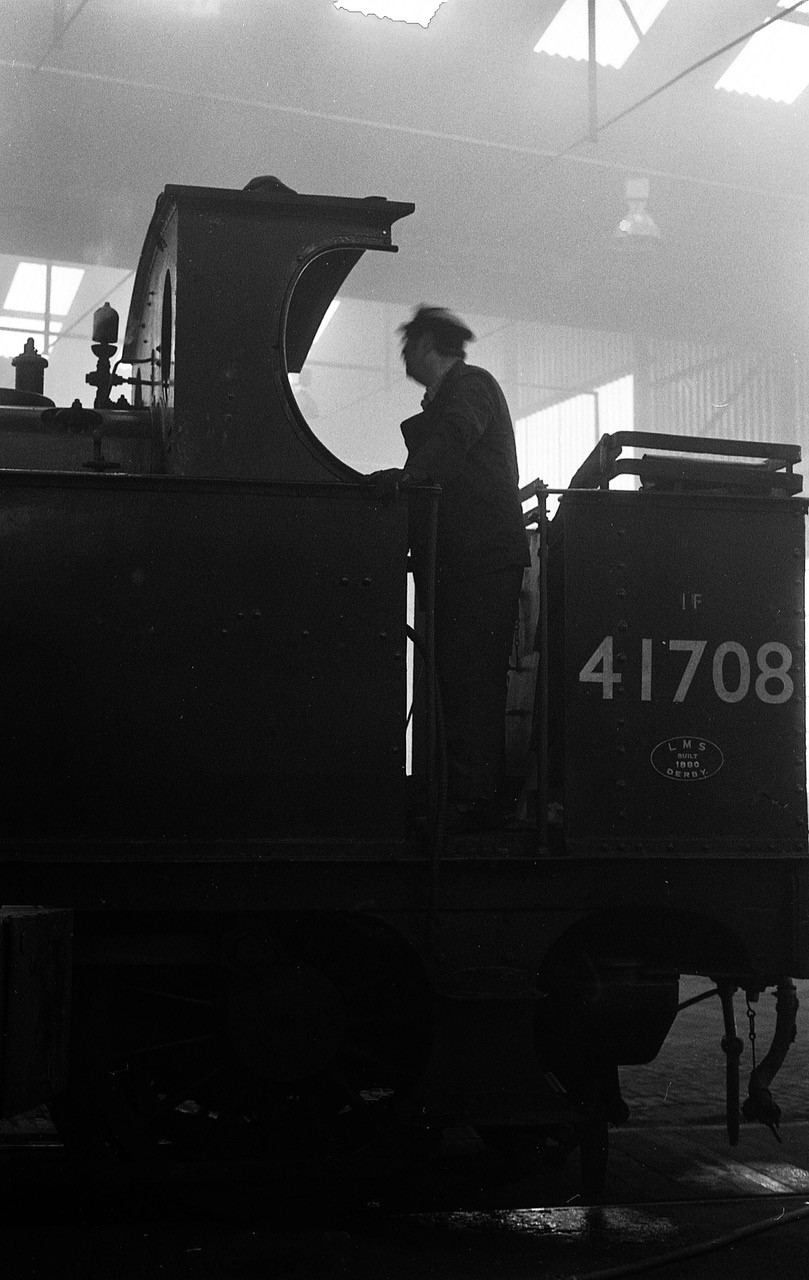
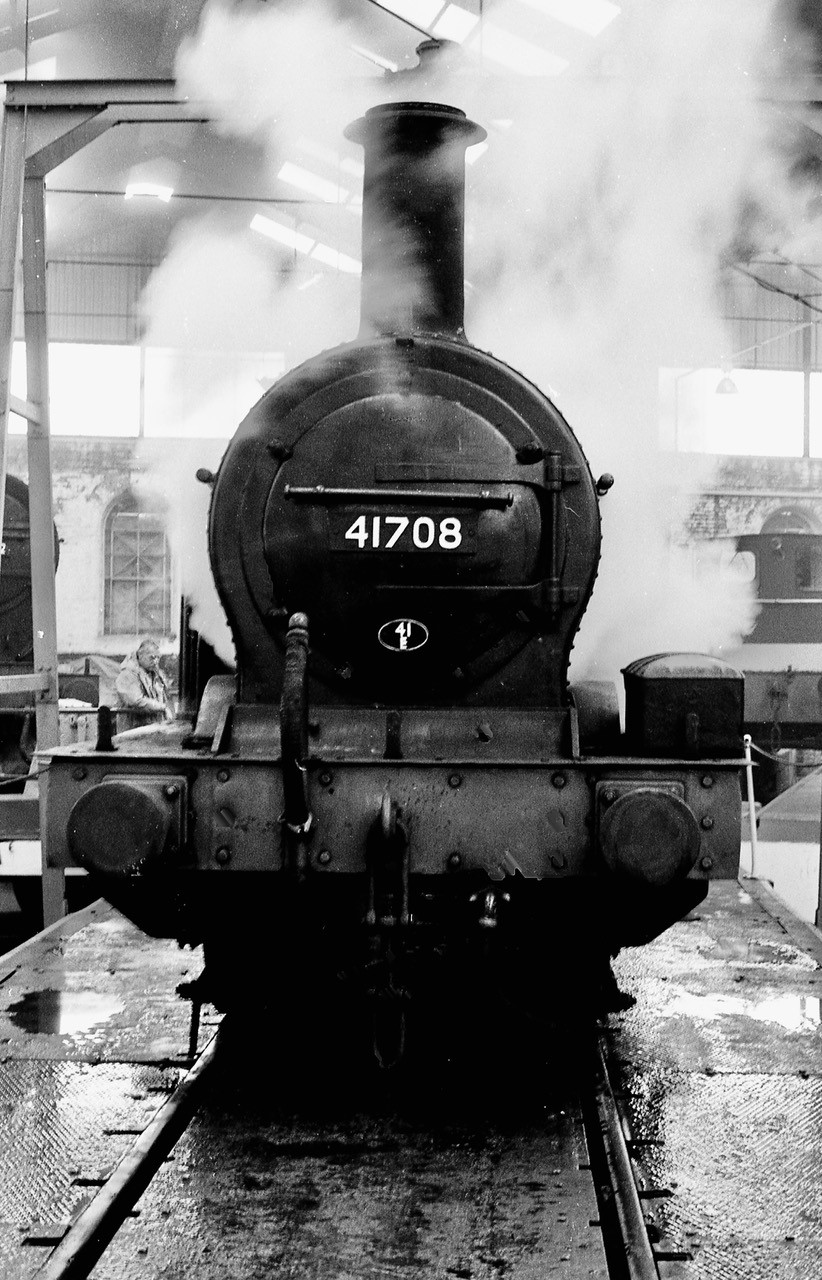
- Long-term Staveley resident 41708 stands on the turntable as the slow shutter speed captures the swirling of the steam. Photo: Michael Smyth.
-
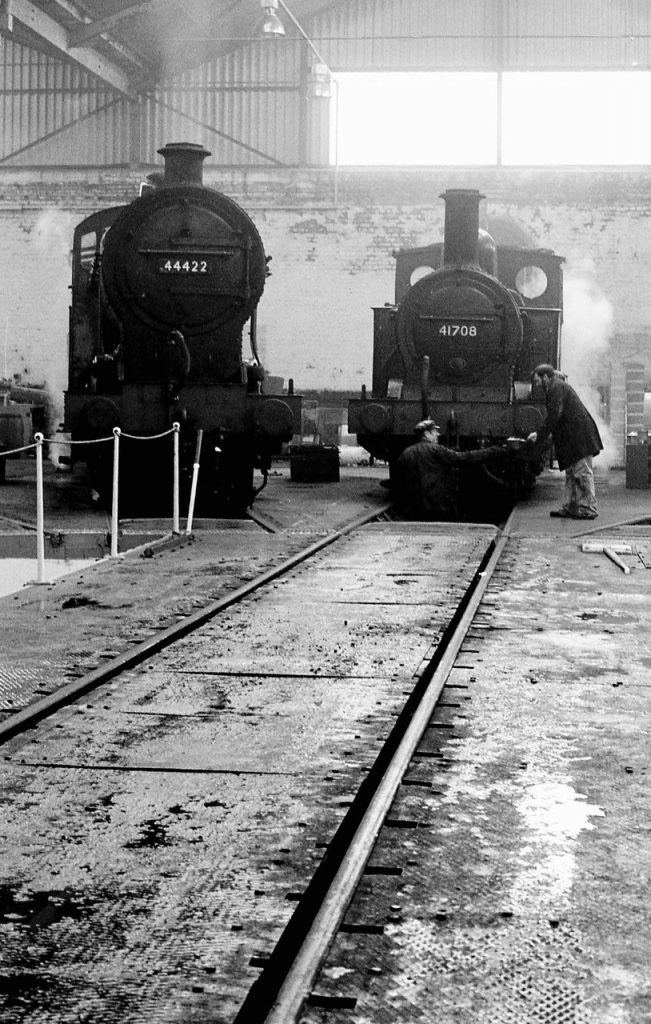
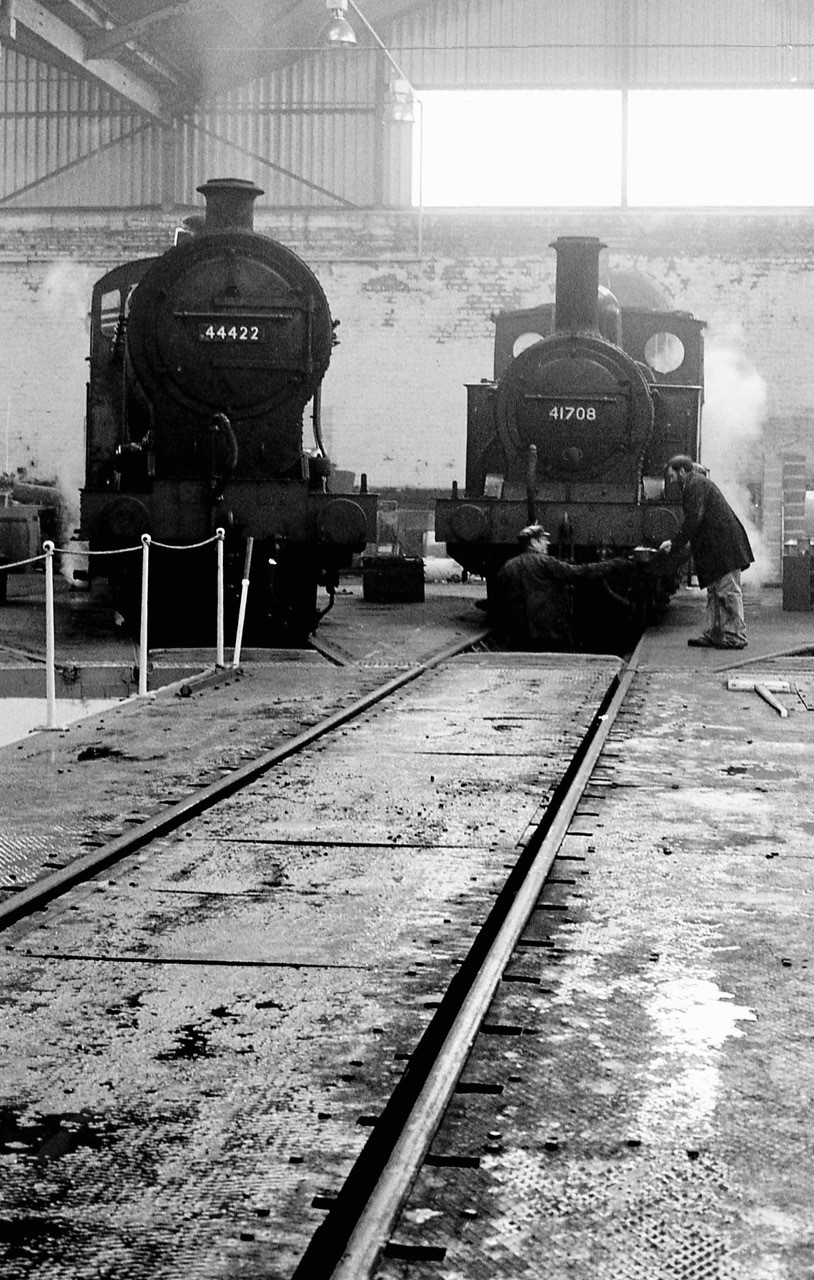
- High contrast light and shade in grainy black and while produce an effect that could have been from the 1950s. 41708 is seen again, alongside LMF Fowler 4F No. 44422. Photo: Michael Smyth.
-
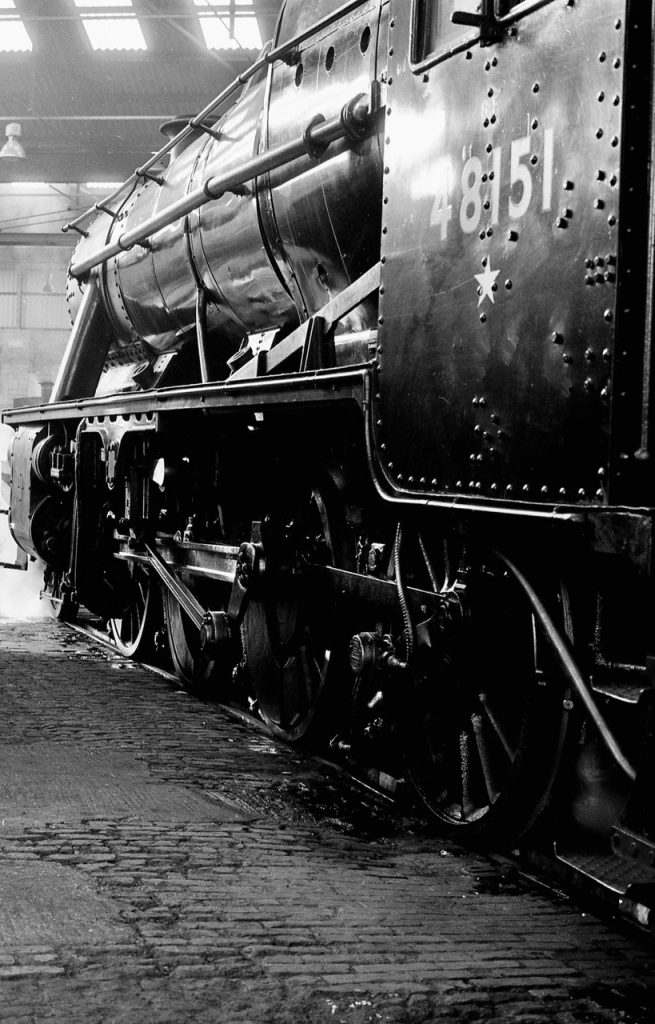
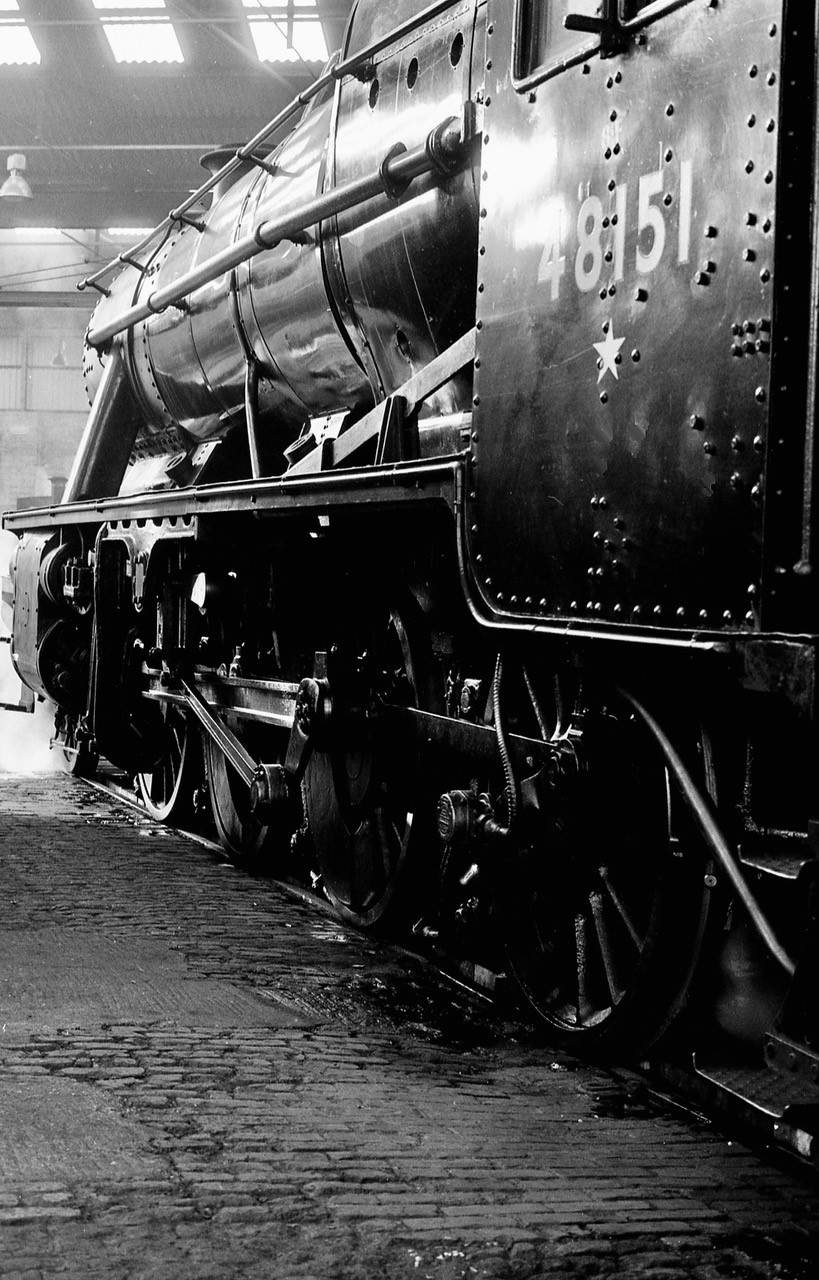
- The LMS 8F was a masterpiece of Stanier design and would not have been an uncommon sight at Barrow Hill. 48151 was built at Crewe in 1942 and rescued from Woodham’s scrapyard in Barry in 1975. Photo: Michael Smyth.
-
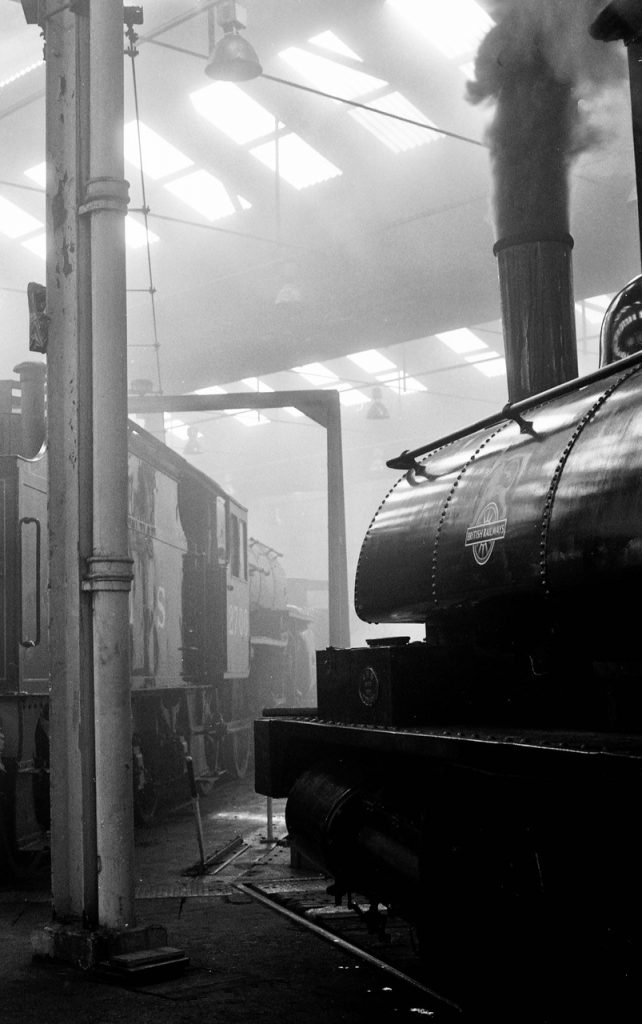
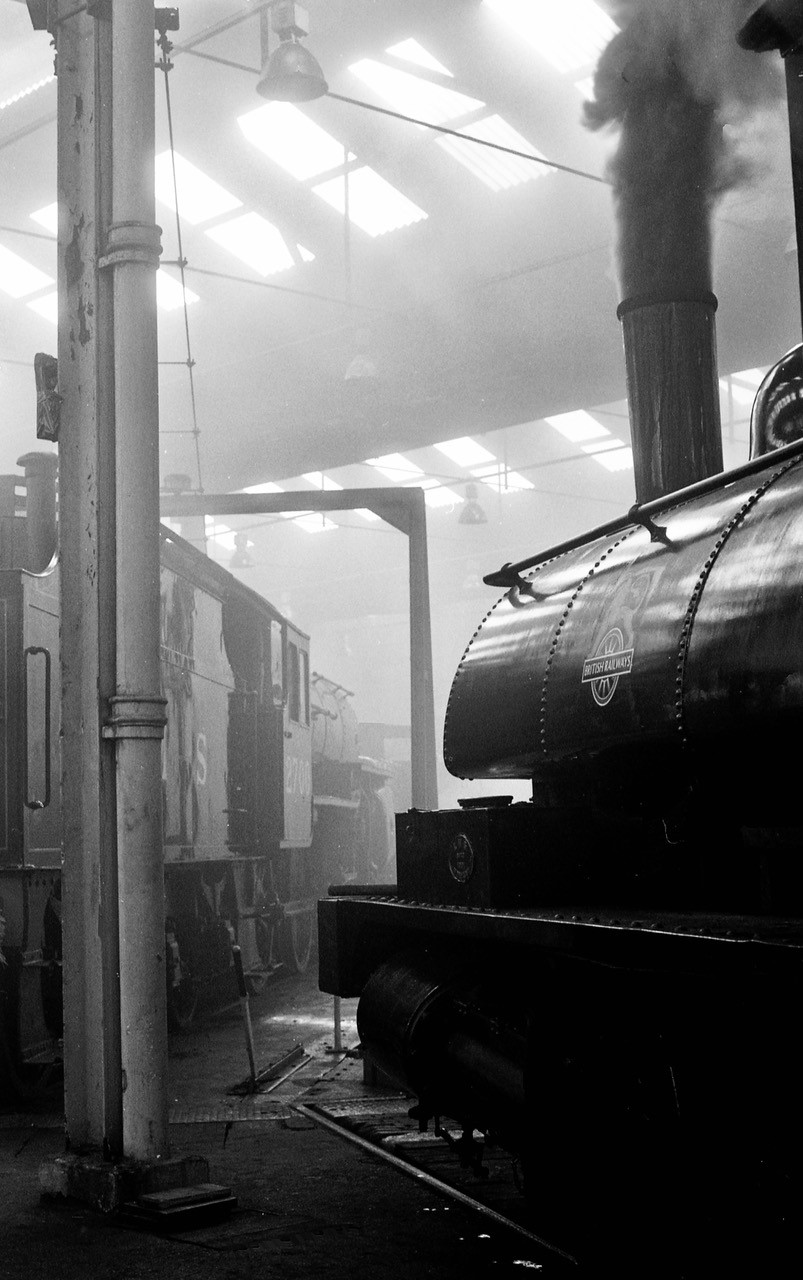
- With Gifford-style composition, the photographer makes good use of the unusual perspectives offered inside a roundhouse as Horwich Crab No. 42700 moves past L&Y Pug No. 51218 and onto the turntable. Photo: Michael Smyth.
-
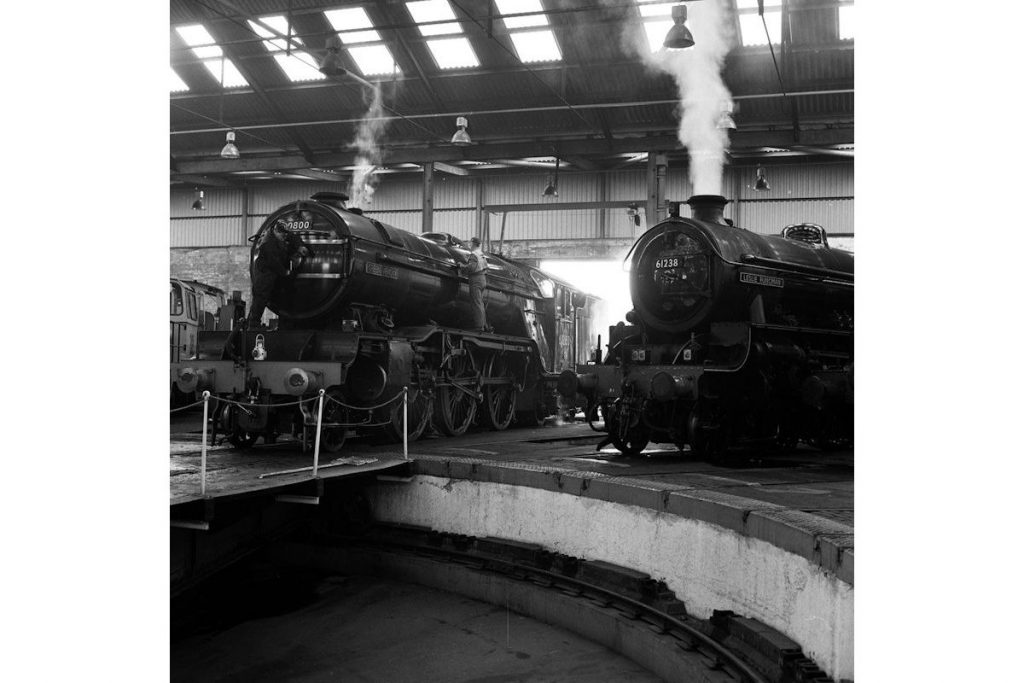
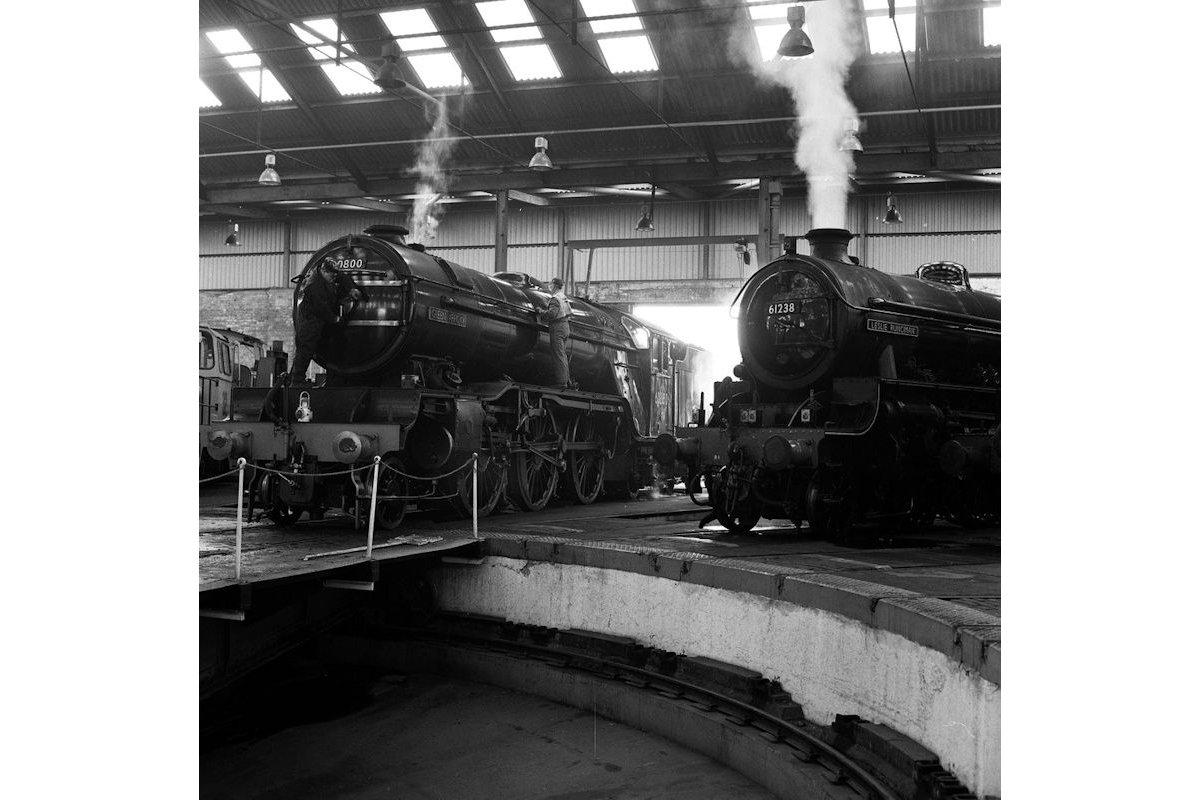
- LNER V2 No. 60800 ‘Green Arrow’ (the first and only one of the V2 class to survive) receives attention at the Roundhouse entrance as Thompson B1 No. 61264 (masquerading as 61238 ‘Leslie Runciman’) stands by. Photo: Michael Smyth.
-
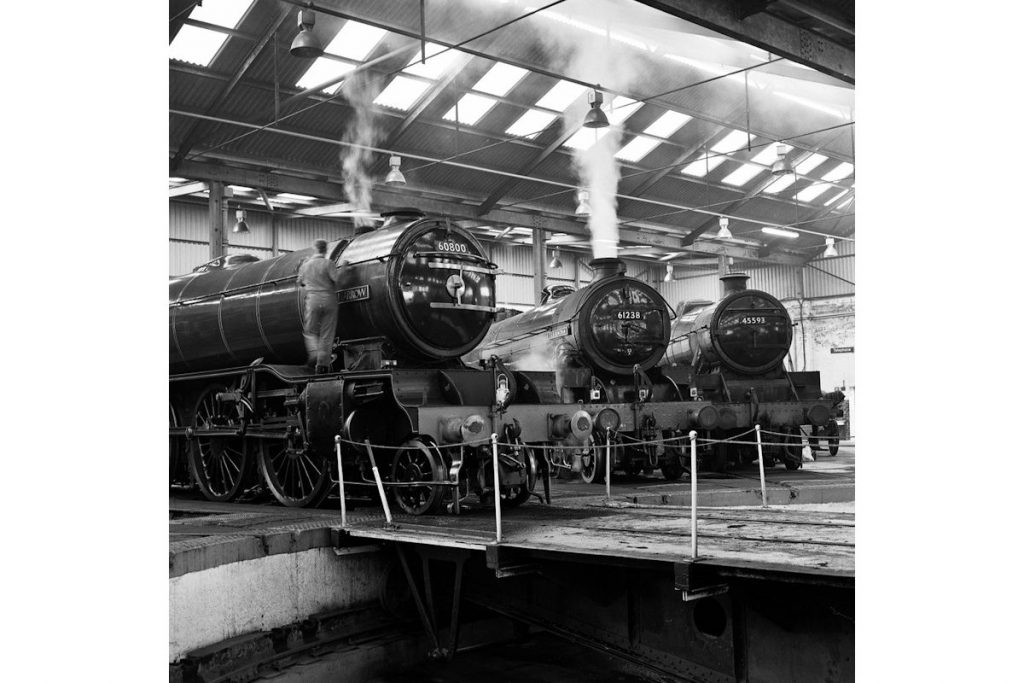
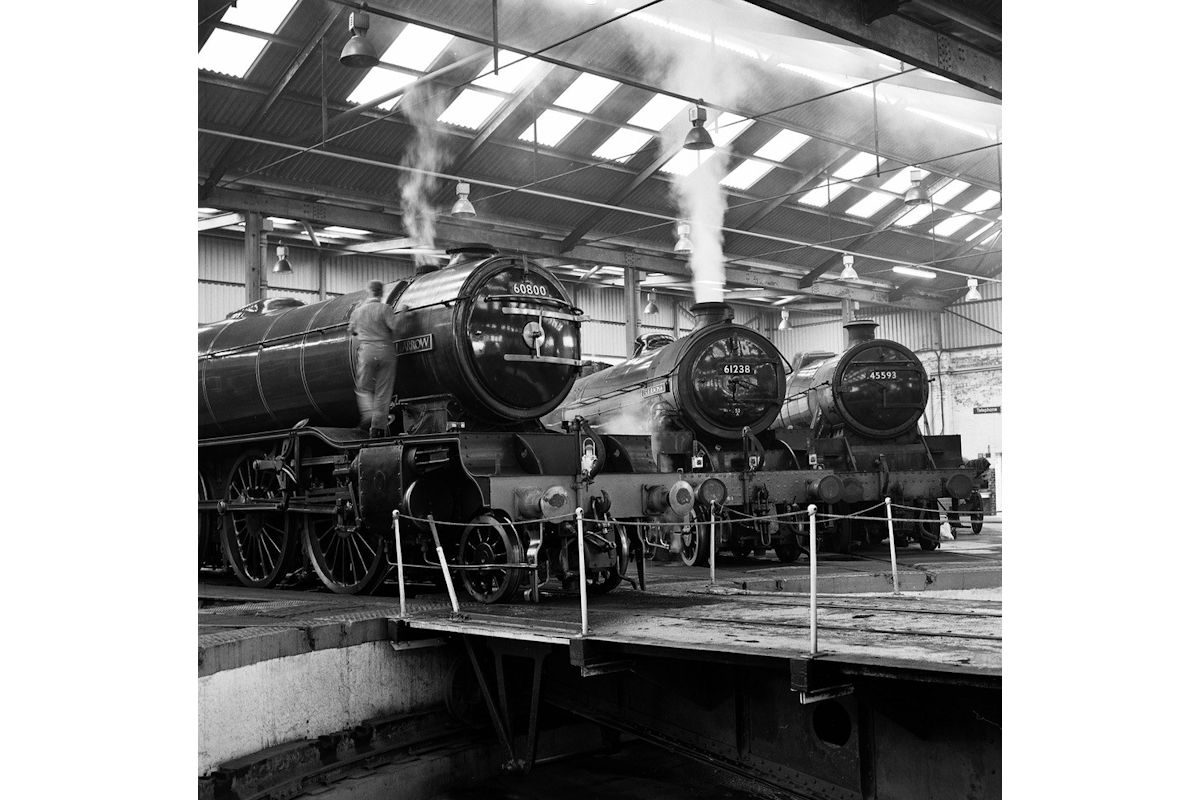
- LNER V2 No. 60800 ‘Green Arrow’ and B1 No. 61264 (seen here as 61238 ‘Leslie Runciman’) are seen in the Roundhouse alongside LMS Jubilee 45593 ‘Kolhapur’ which by this time had lost its boiler certificate and was out of action. Photo: Michael Smyth.
-
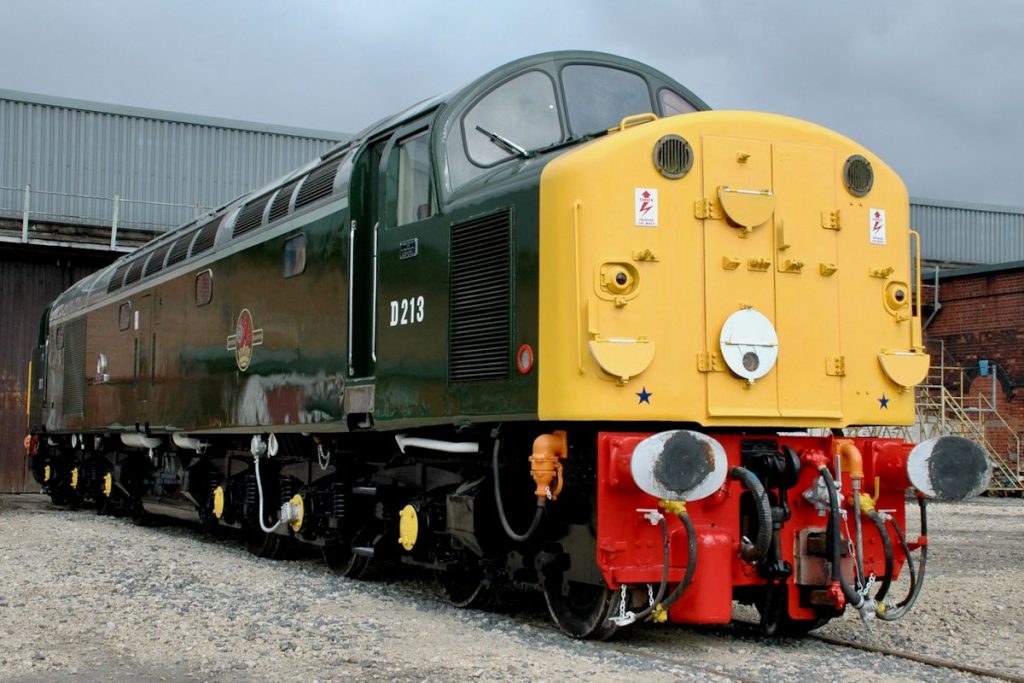
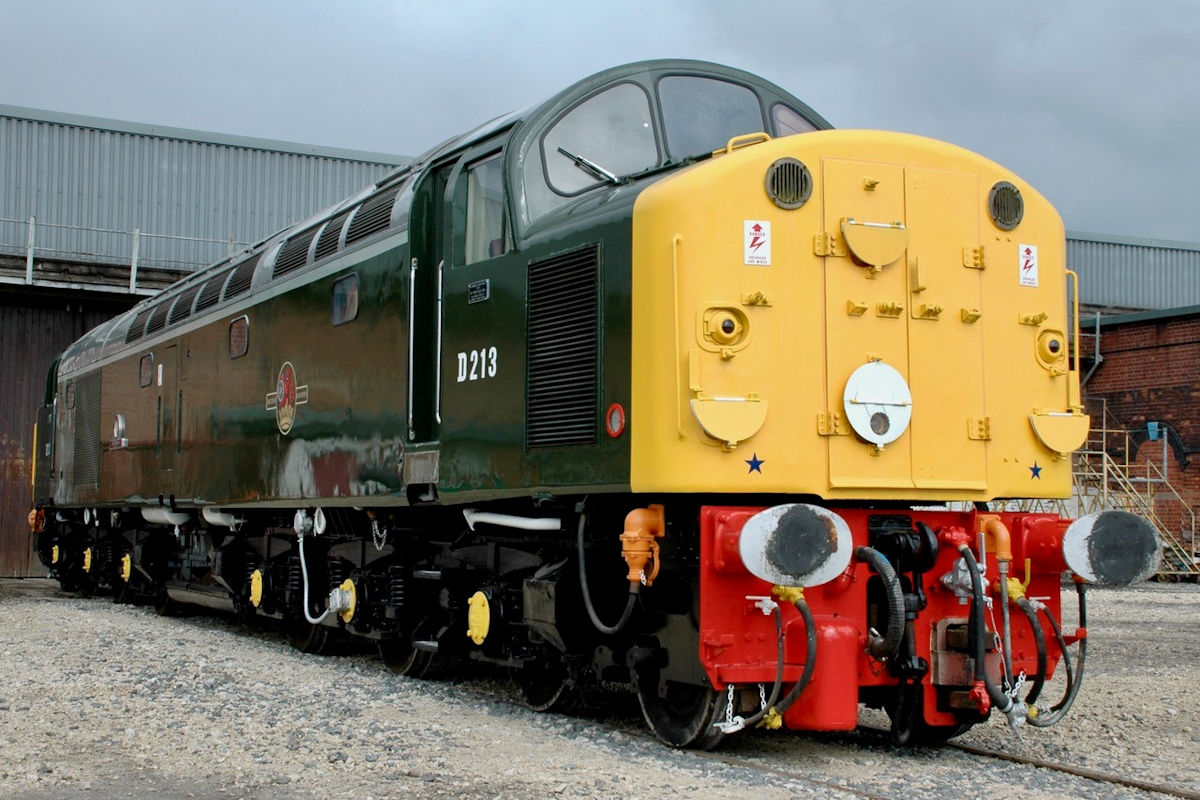
- Beautifully restored English Electric Class 40 No. D213 ‘Andania’ stands in pristine condition in the Garden on 8th May 2010 Open Day. Photo: Michael Smyth.
-
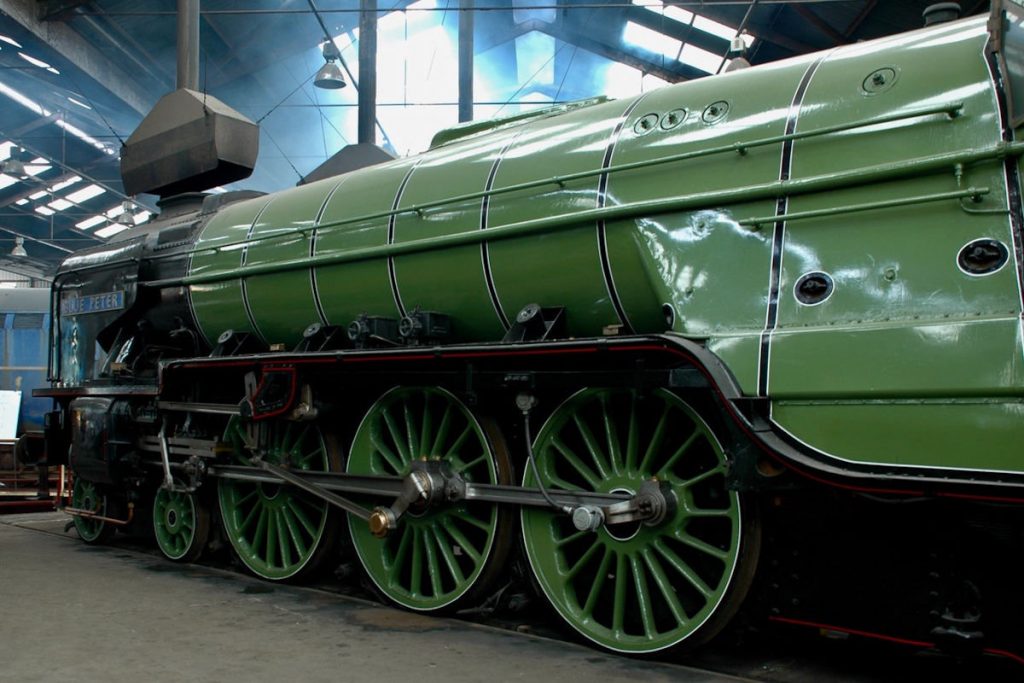
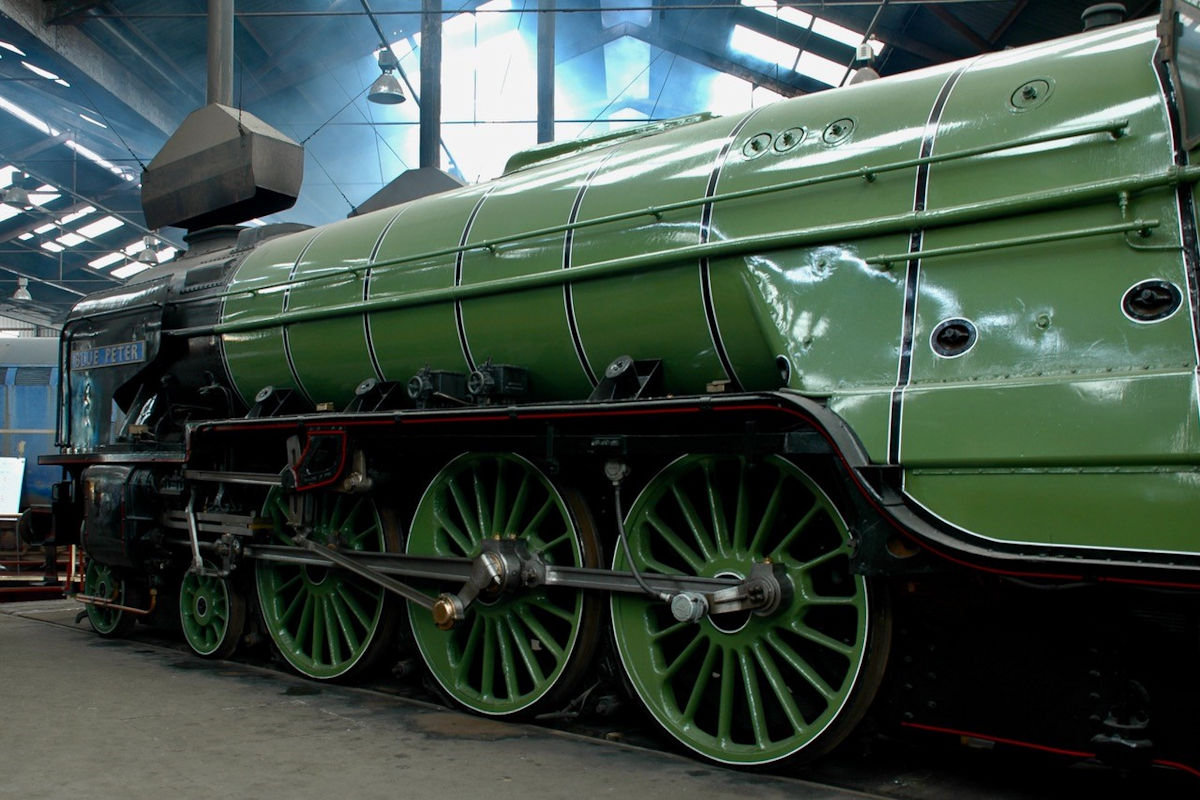
- Doncaster-built Peppercorn A2 Class No. 60532 ‘Blue Peter’ was outshopped in March 1948 in LNER apple green livery but with British Railways on the tender sides. The locomotive was in store when seen in the Roundhouse on 8th May 2010. Photo: Michael Smyth.
-
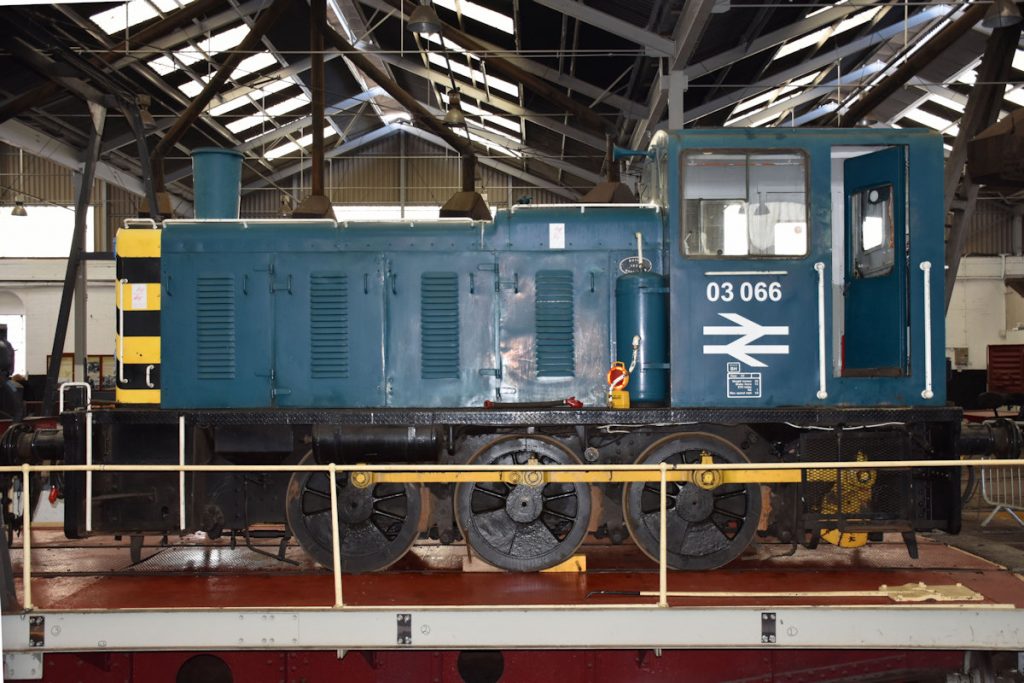
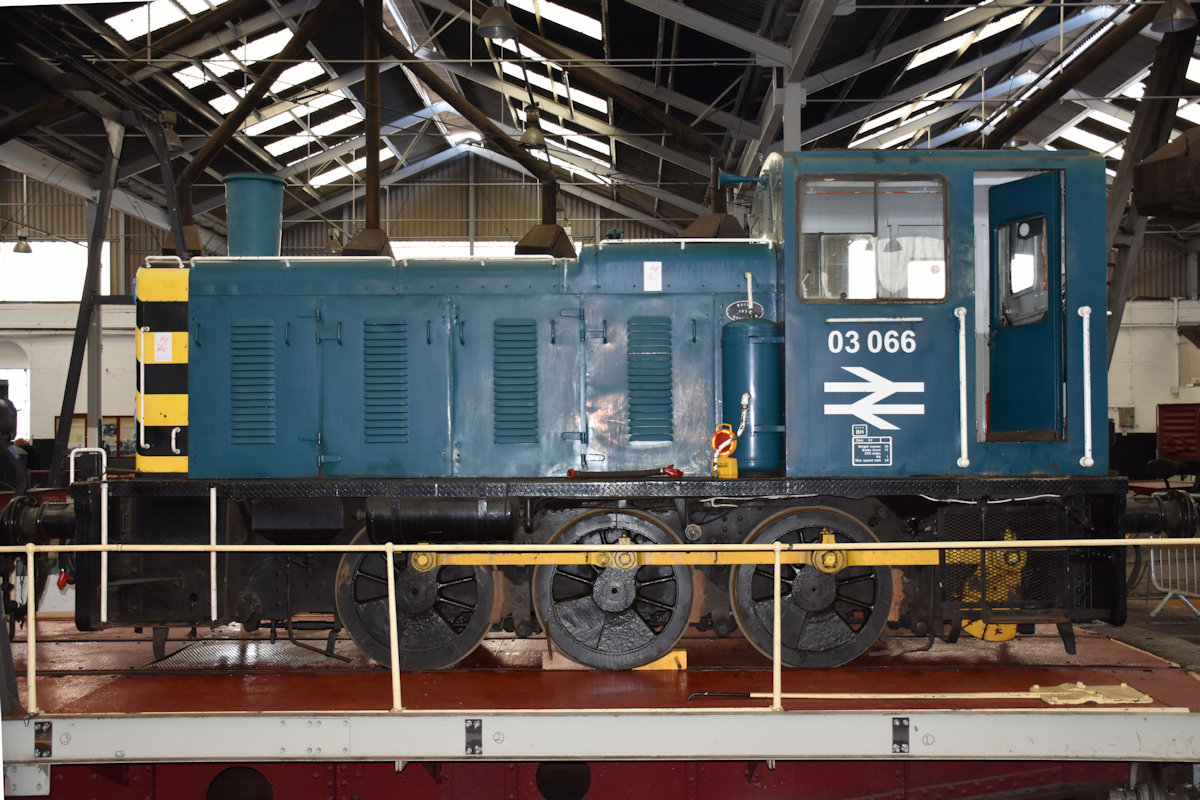
- Although the style of lettering on the locomotive’s number is slightly narrower than that used by BR, restored BR Class 03 No. 03066 makes a fine sight on the turntable inside the Shed on October 12th 2019. Photo: Alan Jones.
-
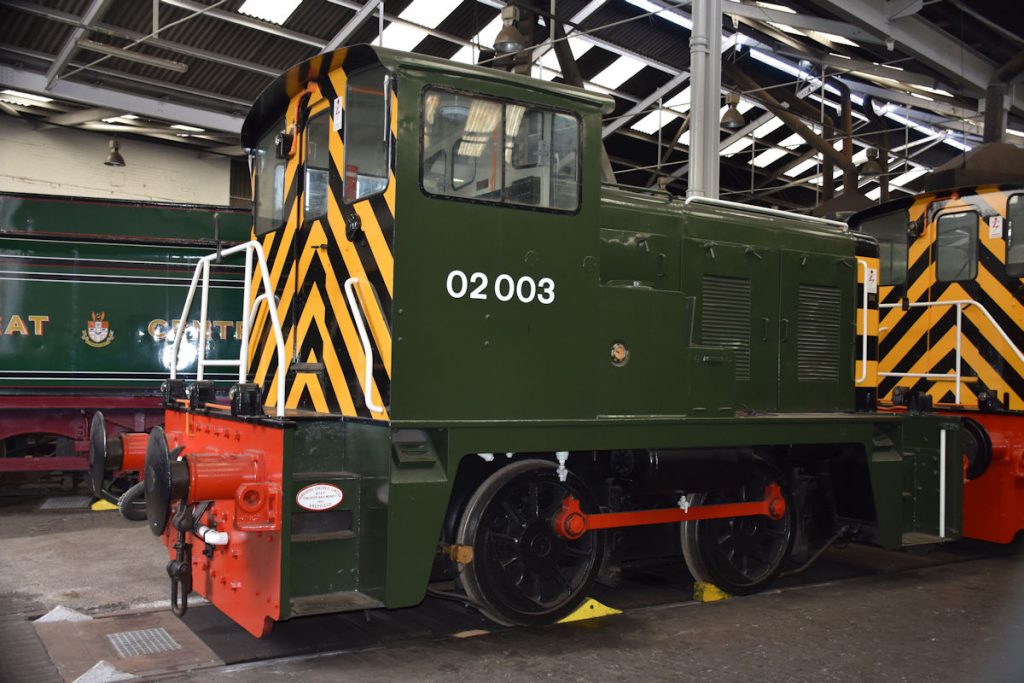
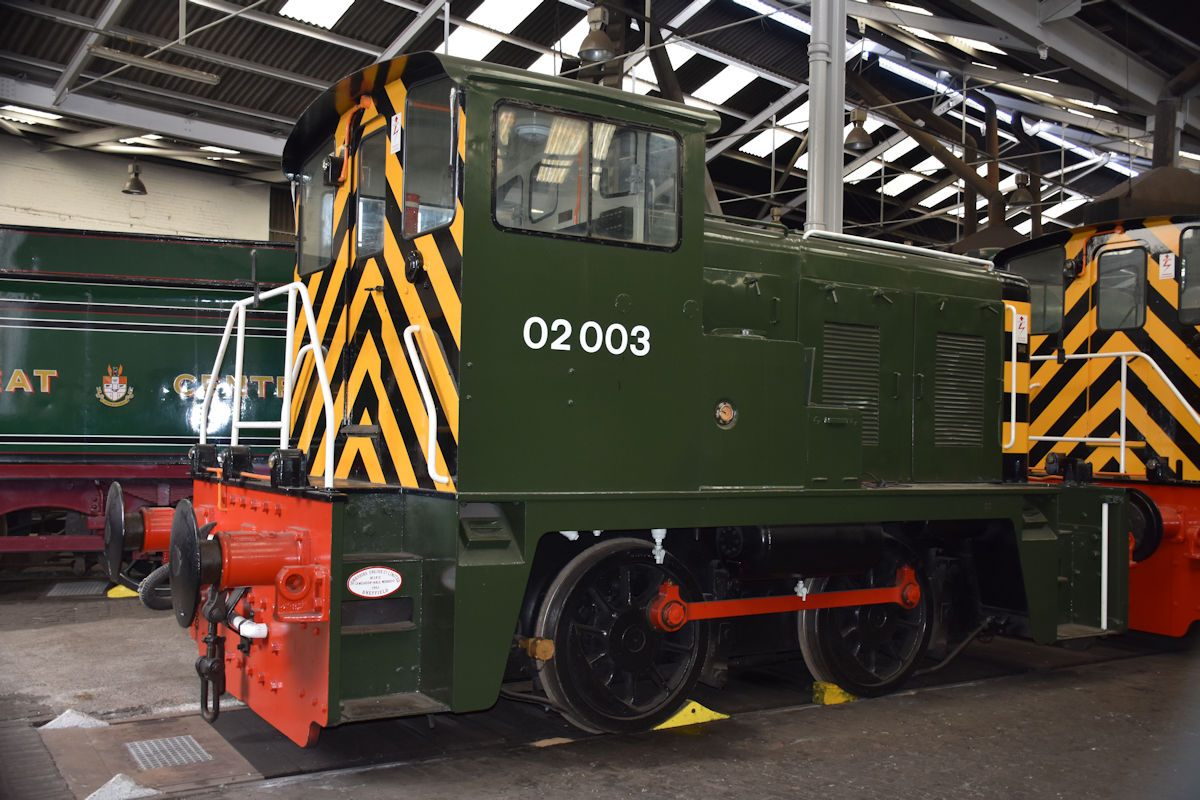
- The twenty-strong Class 02 fleet, built by the Yorkshire Engine Company at their Meadowhall works in 1960-61, did not enjoy a long period of service on BR as much of the light shunting work for which they were designed disappeared in the 1960s. Fortunately, several are now in preservation and the very fine 02003 (D2853) is seen in the Roundhouse on 12th October 2019. Photo: Alan Jones.
-
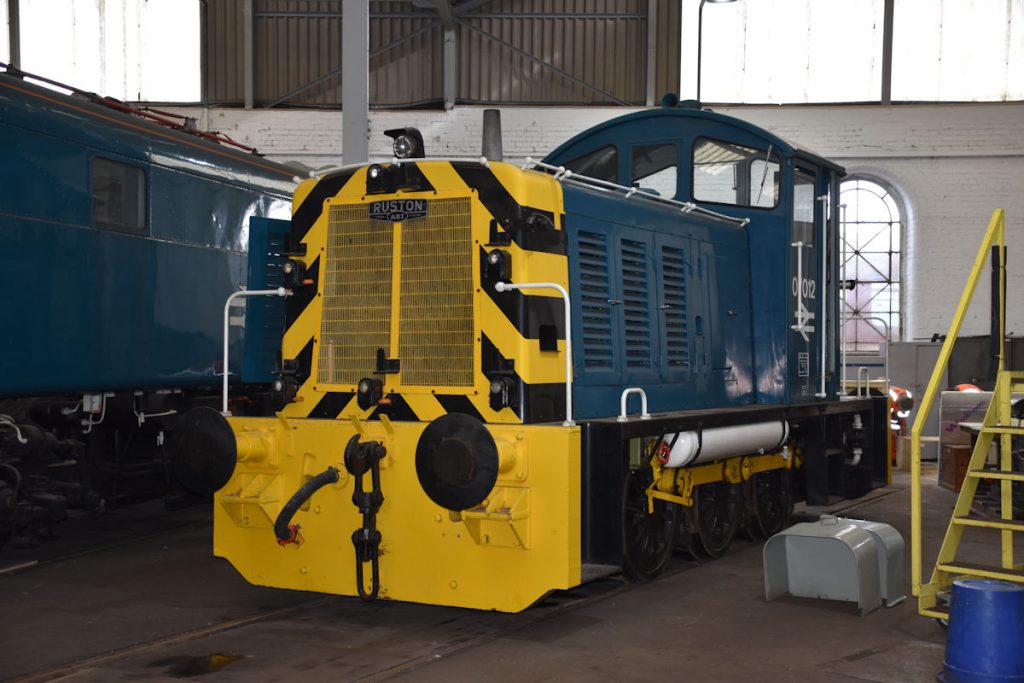
- Ruston and Hornsby-built Class 07 No. 07012 was initially allocated to Southampton Old Dock depot in October 1962. It moved Eastleigh, Bournemouth and then back to Eastleigh before withdrawal in July 1977. Before passing into preservation it worked at Cwmmawr and Coedbach, then went to Harry Needle and is now a permanent resident at Barrow Hill. 12th October 2019. Photo: Alan Jones.
-
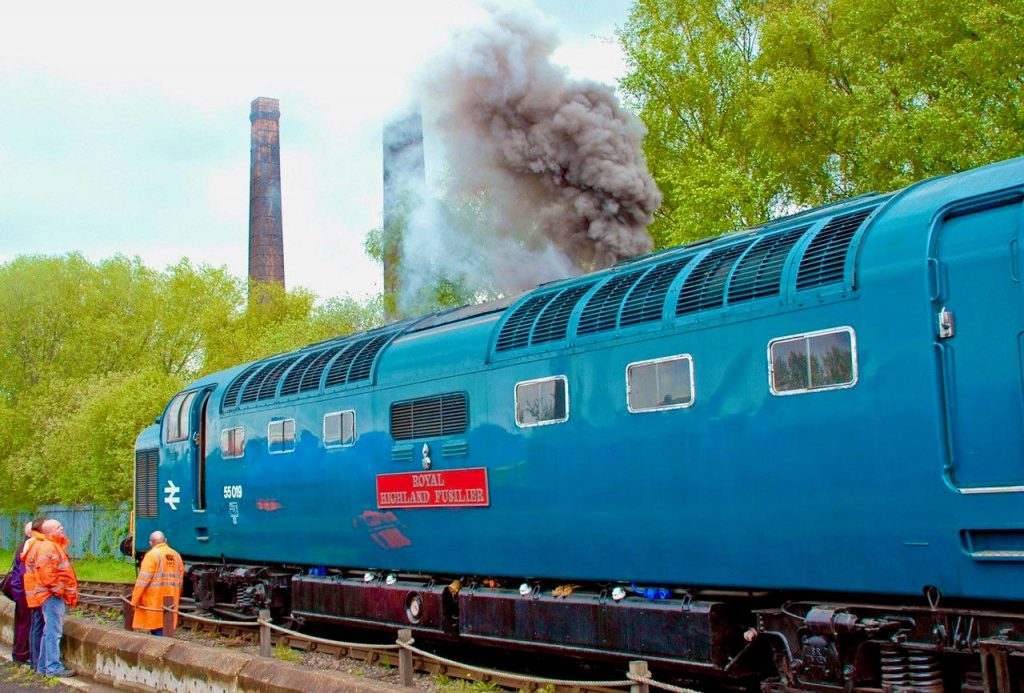
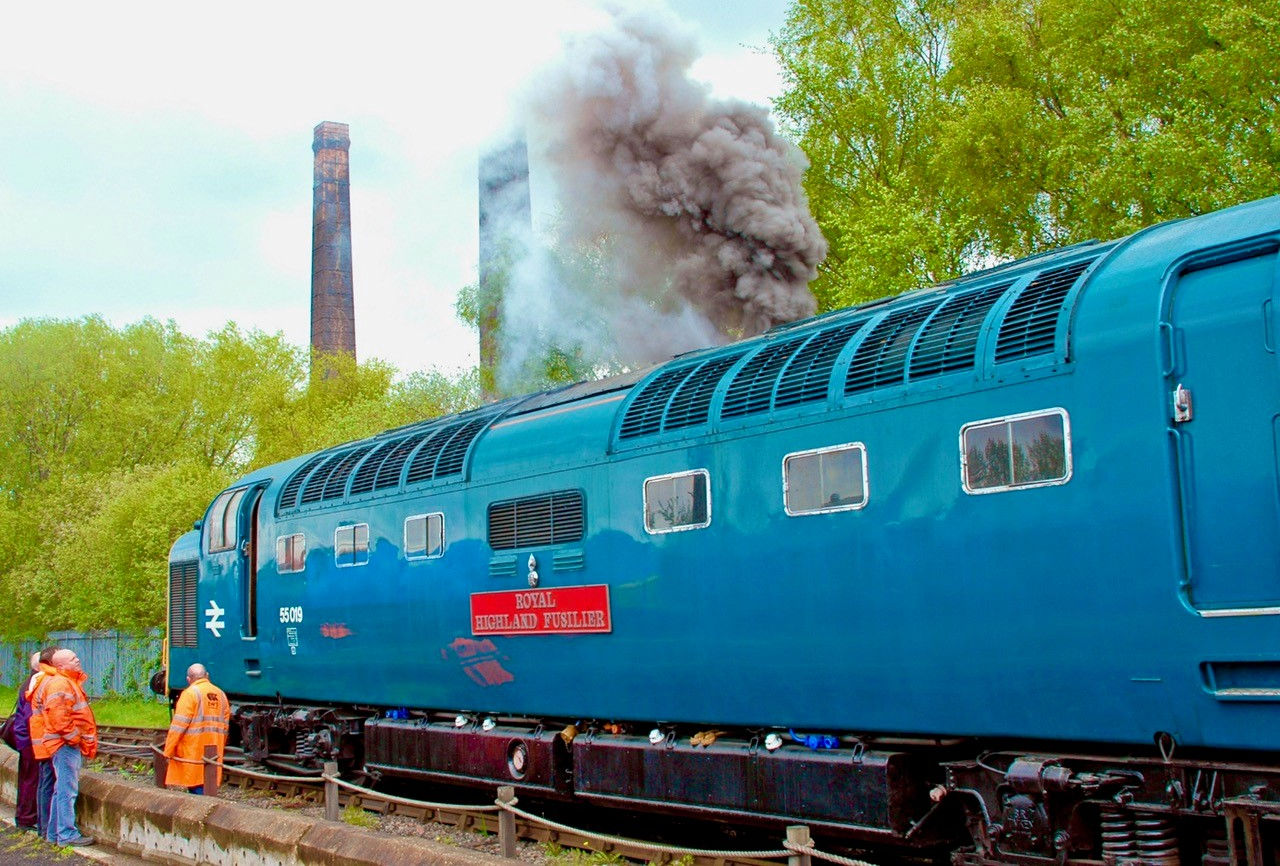
- At the Open Day on 8th May 2010, Class 55 Deltic No. 55019 ‘Royal Highland Fusilier’ comes to life with the characteristic column of exhaust smoke from one of its engines. Photo: Michael Smyth.
-
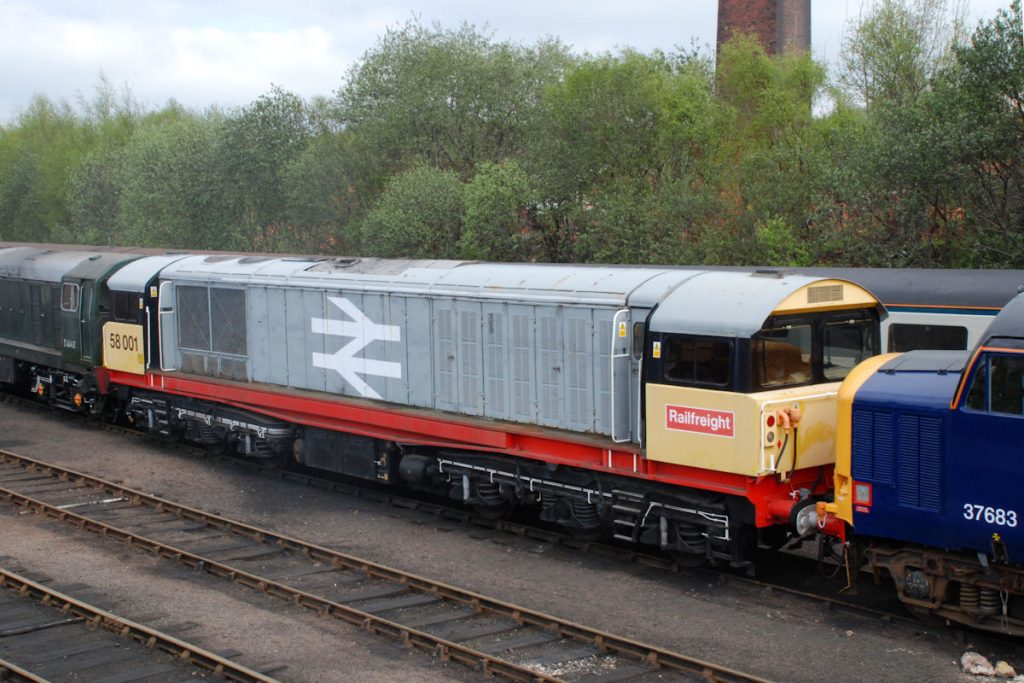
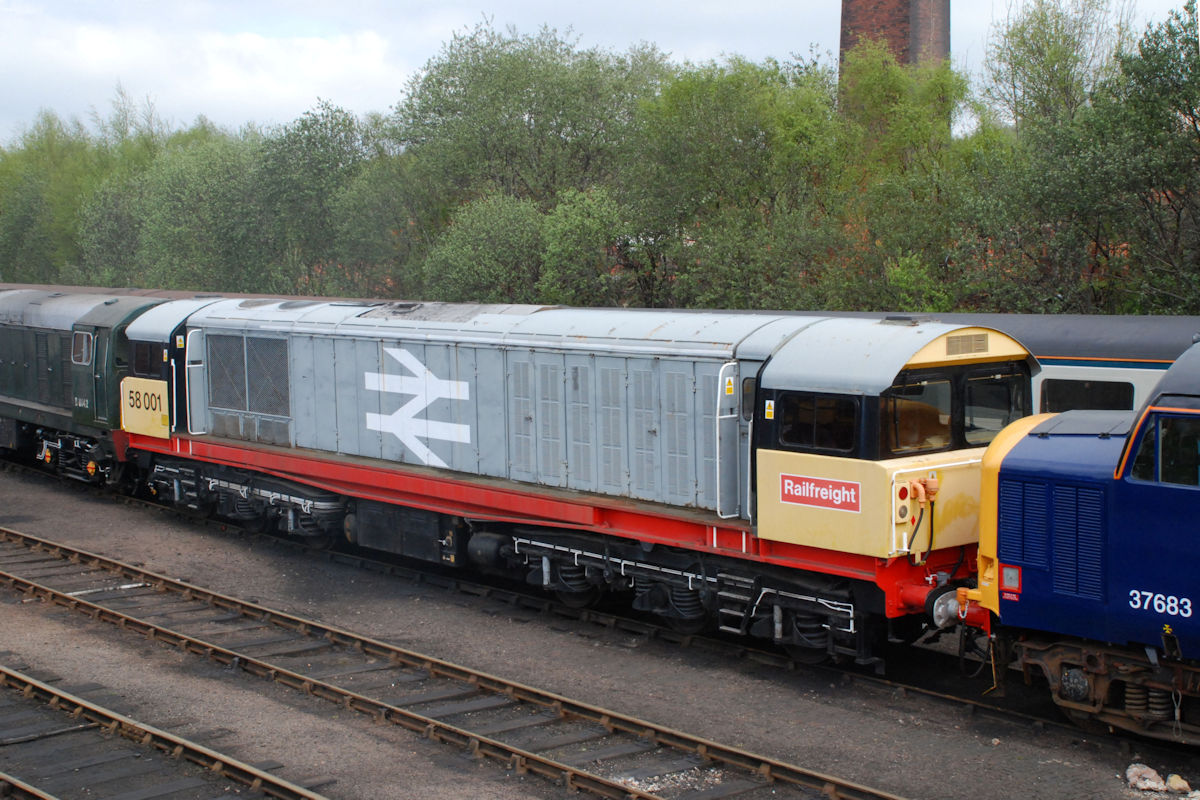
- Pioneer Class 58 No. 58001 had a protracted build at Doncaster Works from the laying down of its underframes in approximately July 1981 to its handover to BR in December 1982, after which it undertook extensive tests before being released to traffic in September 1984. The life of the class was curtailed by the arrival of the Class 66 locomotives and in September 2002 the last of the class was withdrawn. 18th April 2009. Photo: Alan Jones.
-
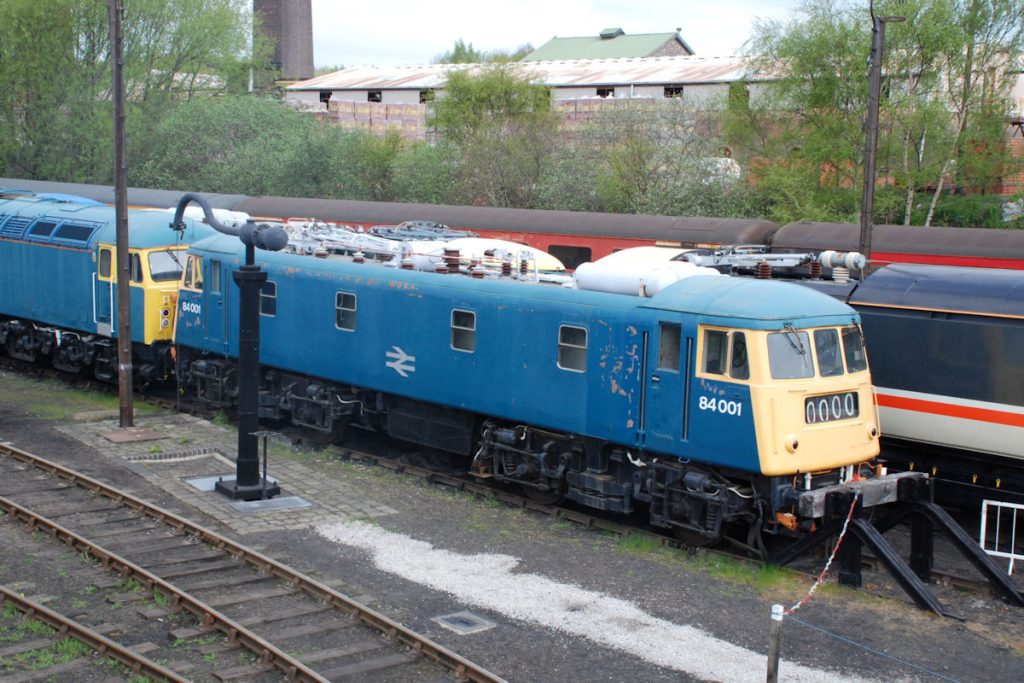
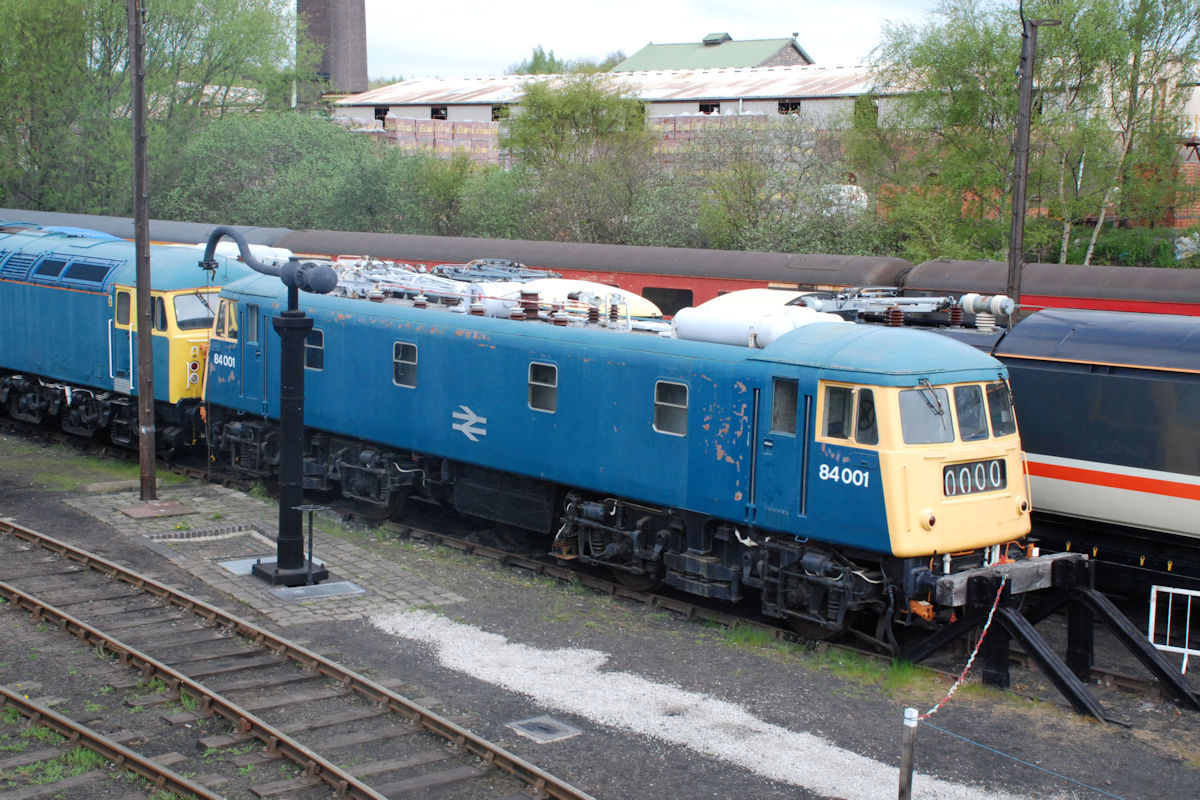
- The North British Class 84 was not the most successful of the 25 kV AC electric locomotives on BR, suffering problems with their mercury-arc rectifiers throughout the 60s. In 1971/2 the class was rebuilt with semiconductor rectifiers, but this did not overcome the problems. Withdrawal began in 1977 and was complete by 1980. Fortunately 84001 passed into the National Collection and is seen outside the Roundhouse on 18th April 2009. Photo: Alan Jones.
-
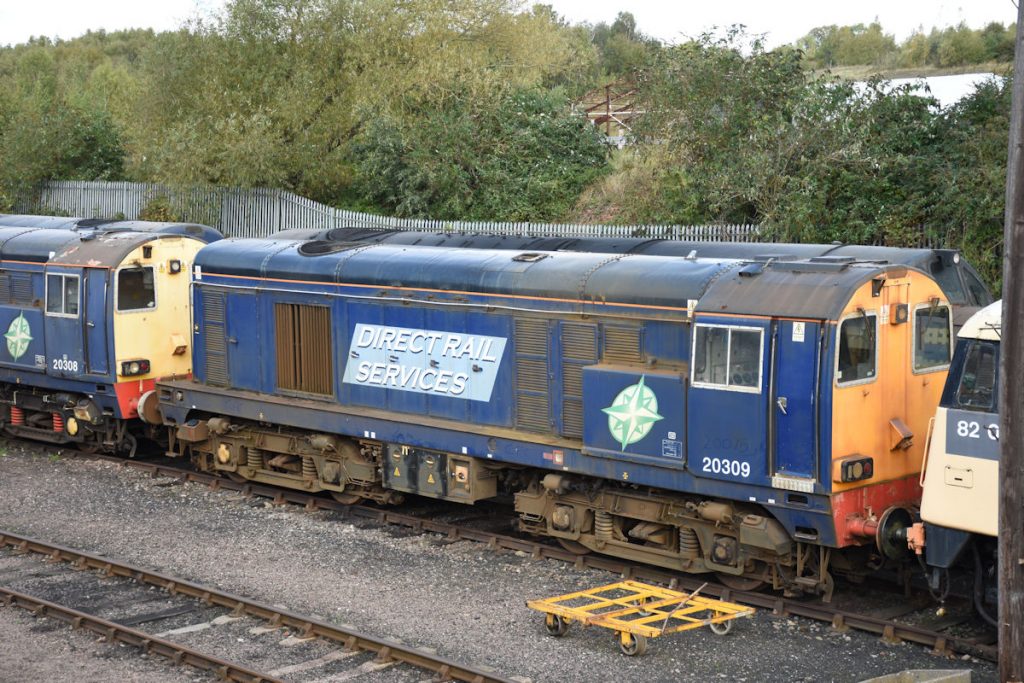
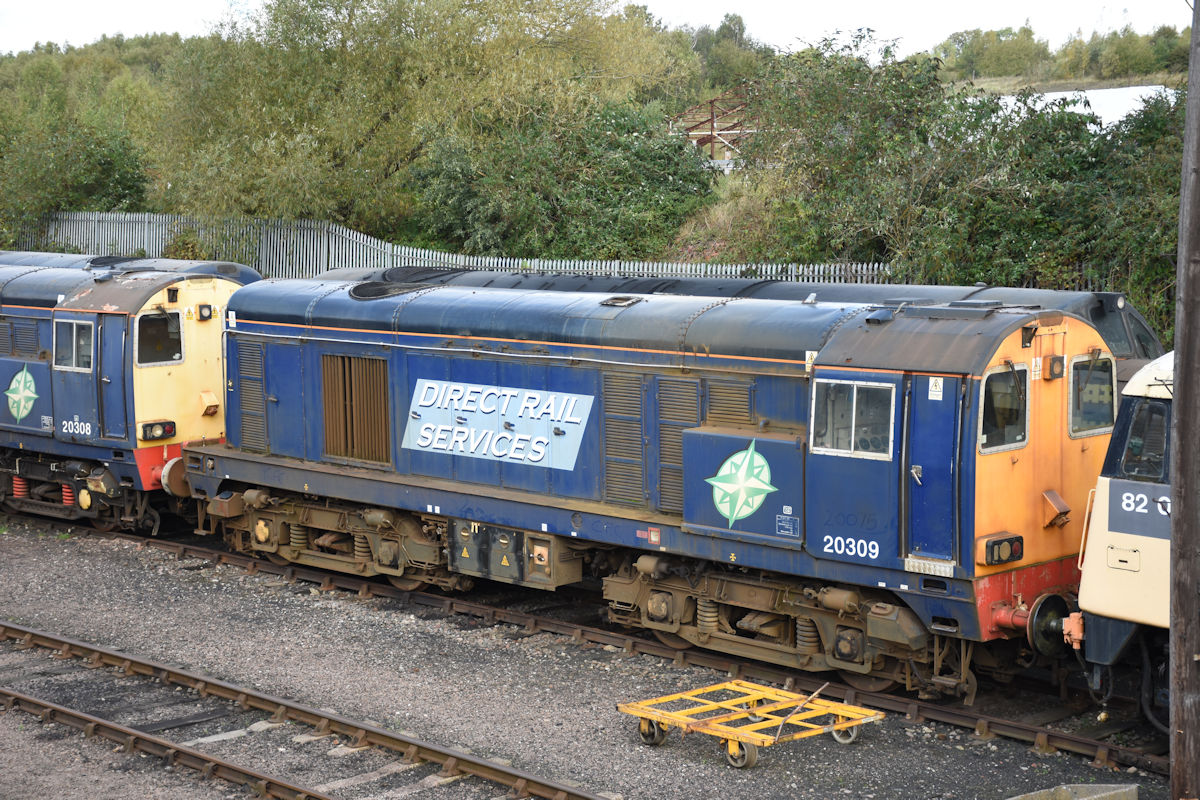
- DRS Class 20 No. 20309 (formerly 20075) was a Toton locomotive for much of its life and was sold to DRS in July 1997. Like all DRS Heritage locomotives, 20309 was put up for sale in late 2021. Photo: Alan Jones.
-
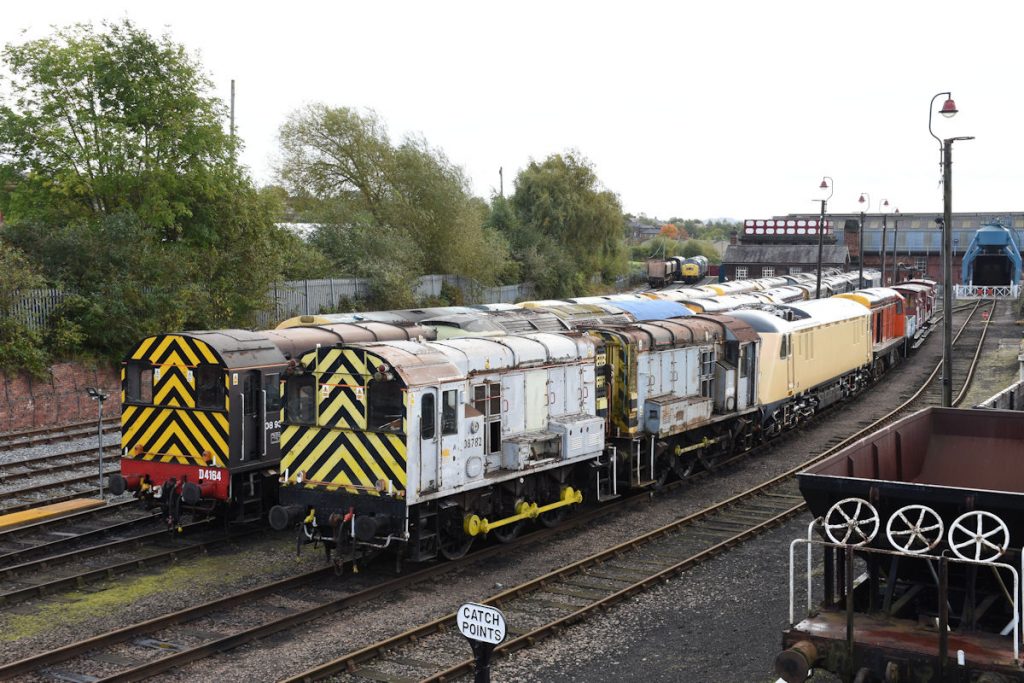
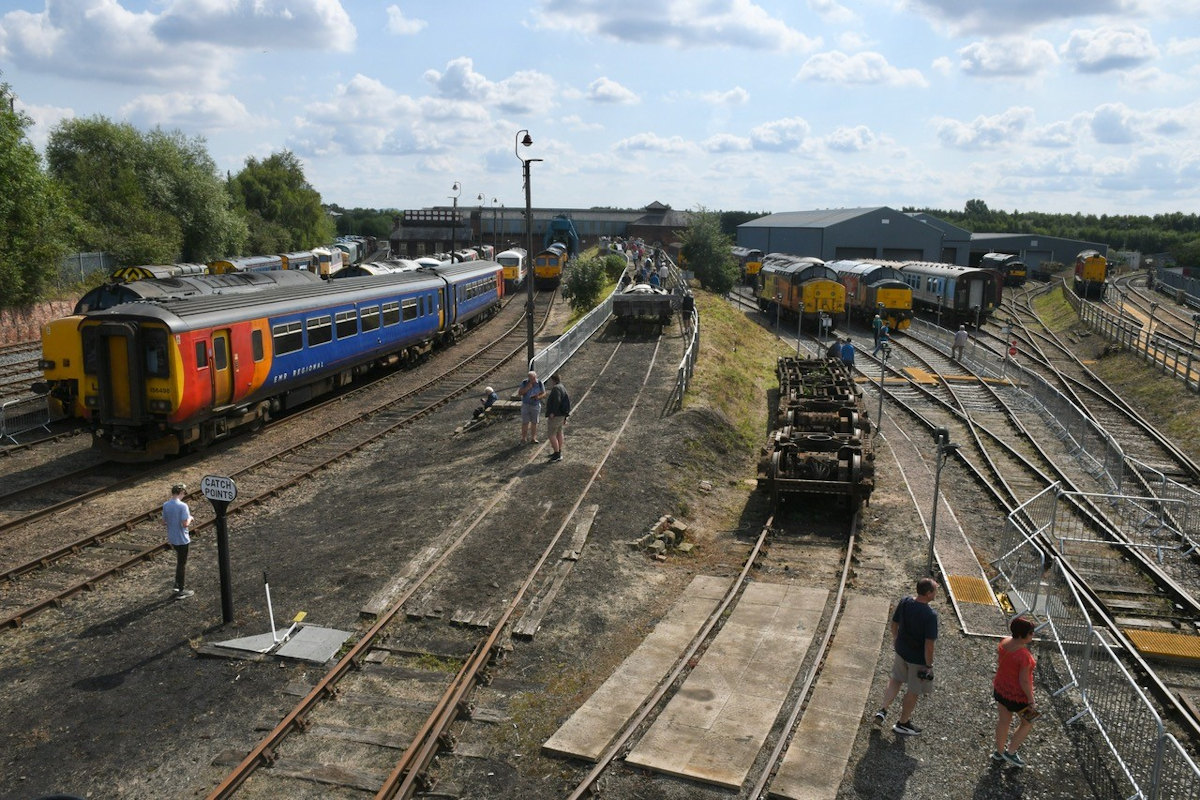
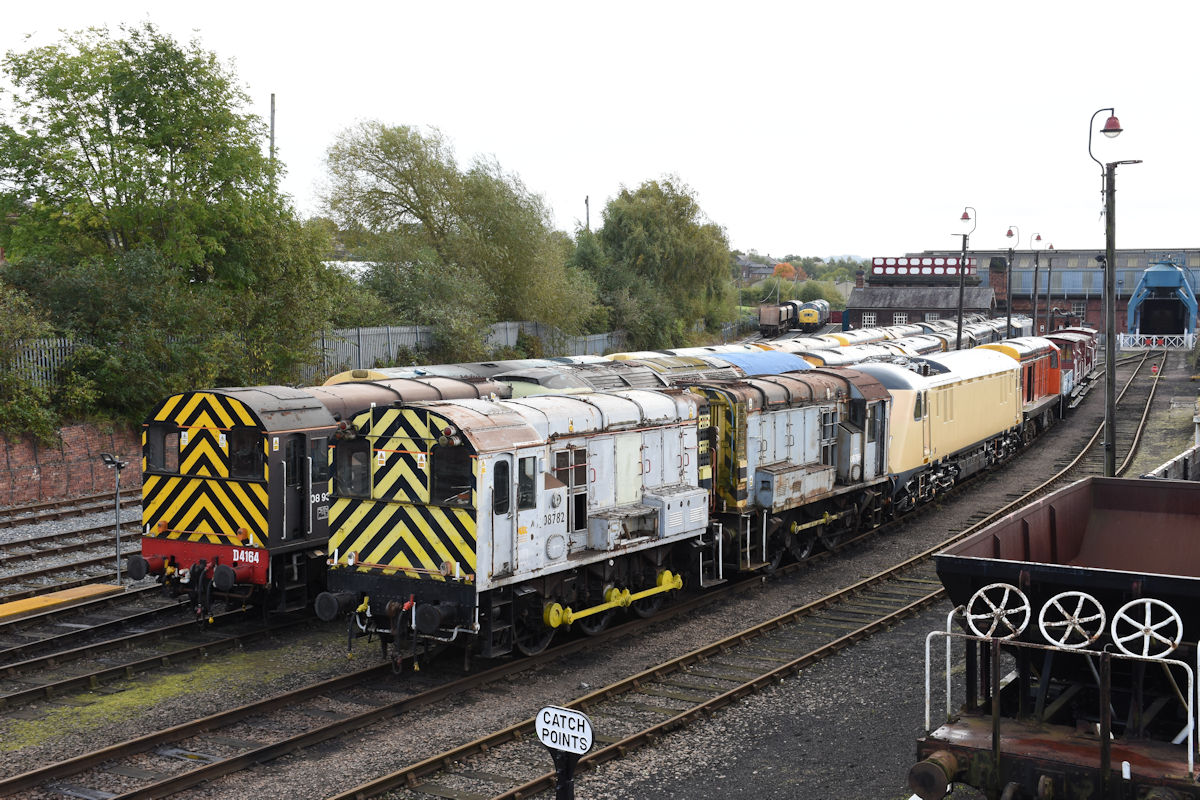
- A general view of the sidings outside the Roundhouse from Pinxton Signal Box on 12th October 2019 shows the wide range of locomotives at the depot including Class 08, 20, 40 and 89. Photo: Alan Jones.
-
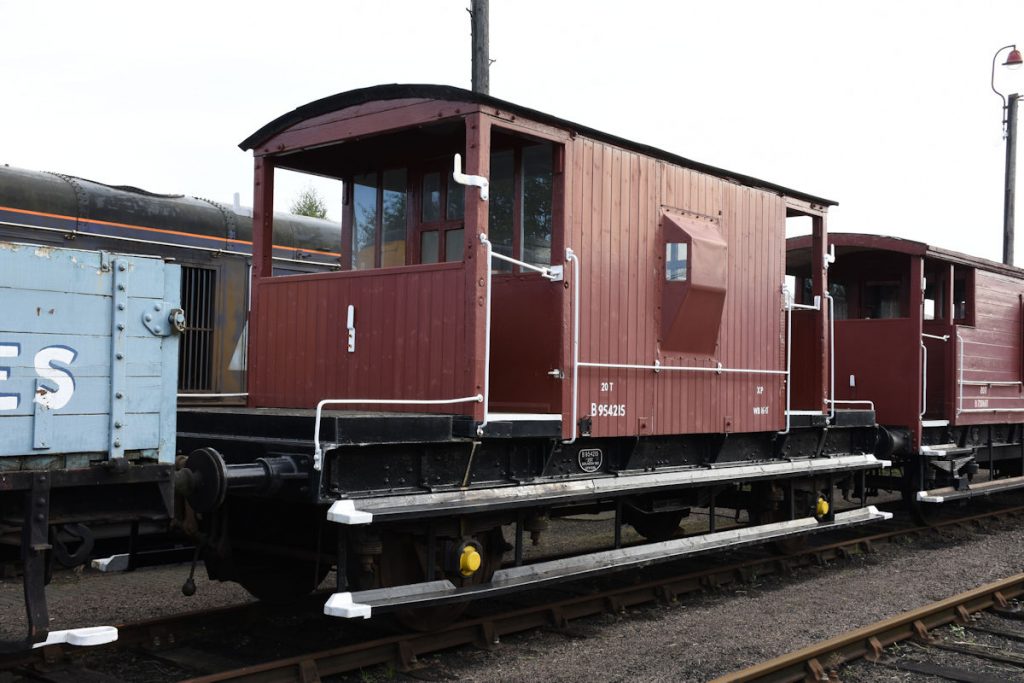
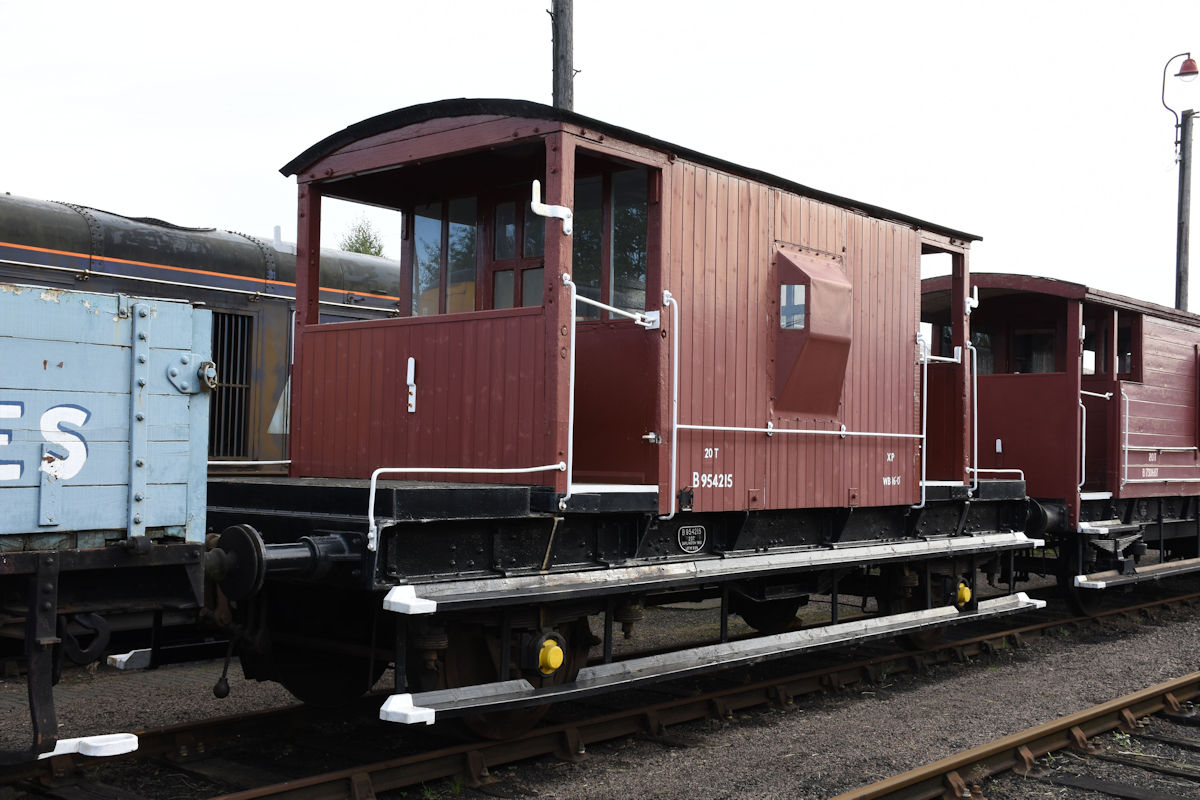
- In addition to locomotives, there are several beautifully restored freight vehicles at Barrow Hill. BR Standard 20 ton Brake Van B954215, part of the Lot 3129 1958 build of 845 vehicles at Darlington is such an example, seen outside the Roundhouse on 12th October 2019. Photo: Alan Jones.
-
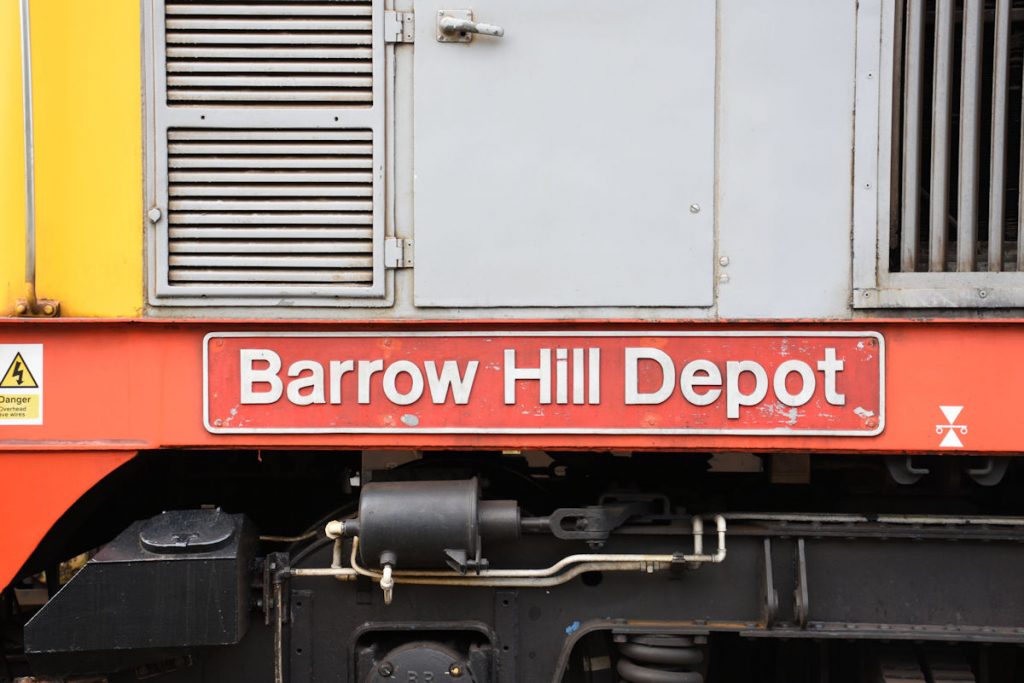
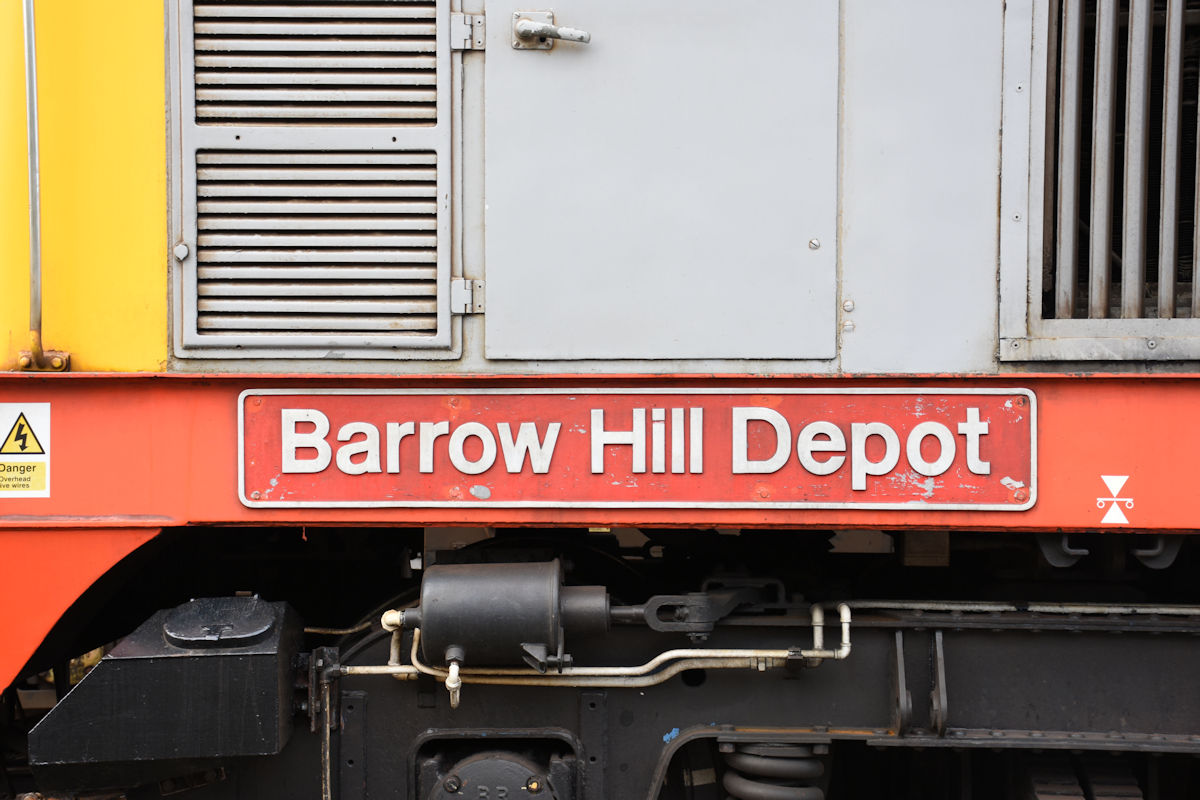
- BR Class 20 No. 20132, appropriately named ‘Barrow Hill Depot’ was seen on shed on 12th October 2019. Photo: Alan Jones.
-
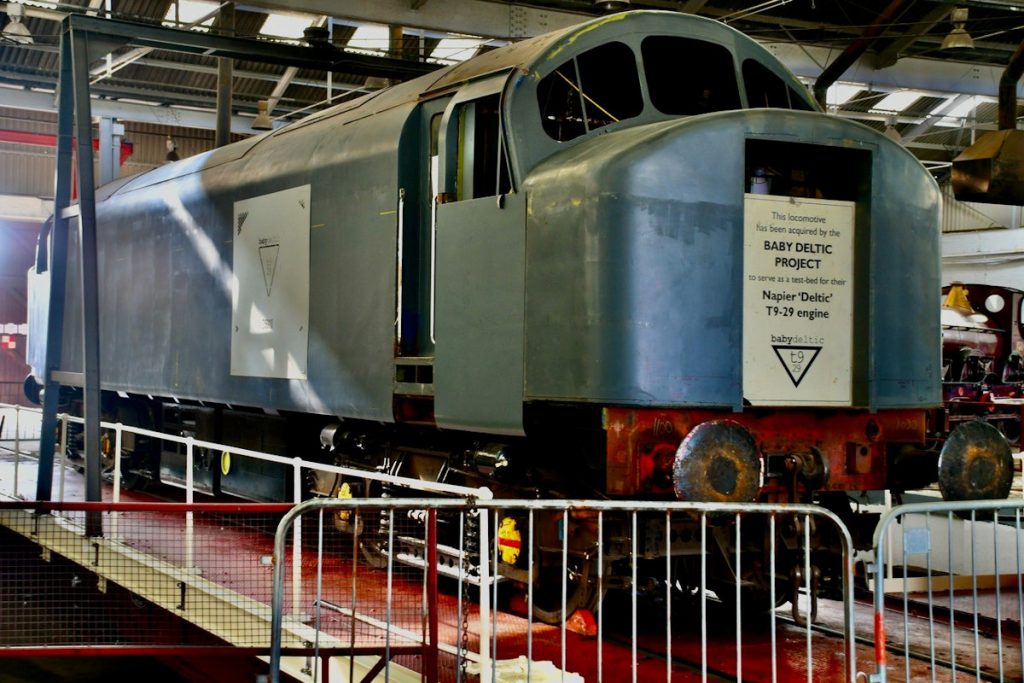
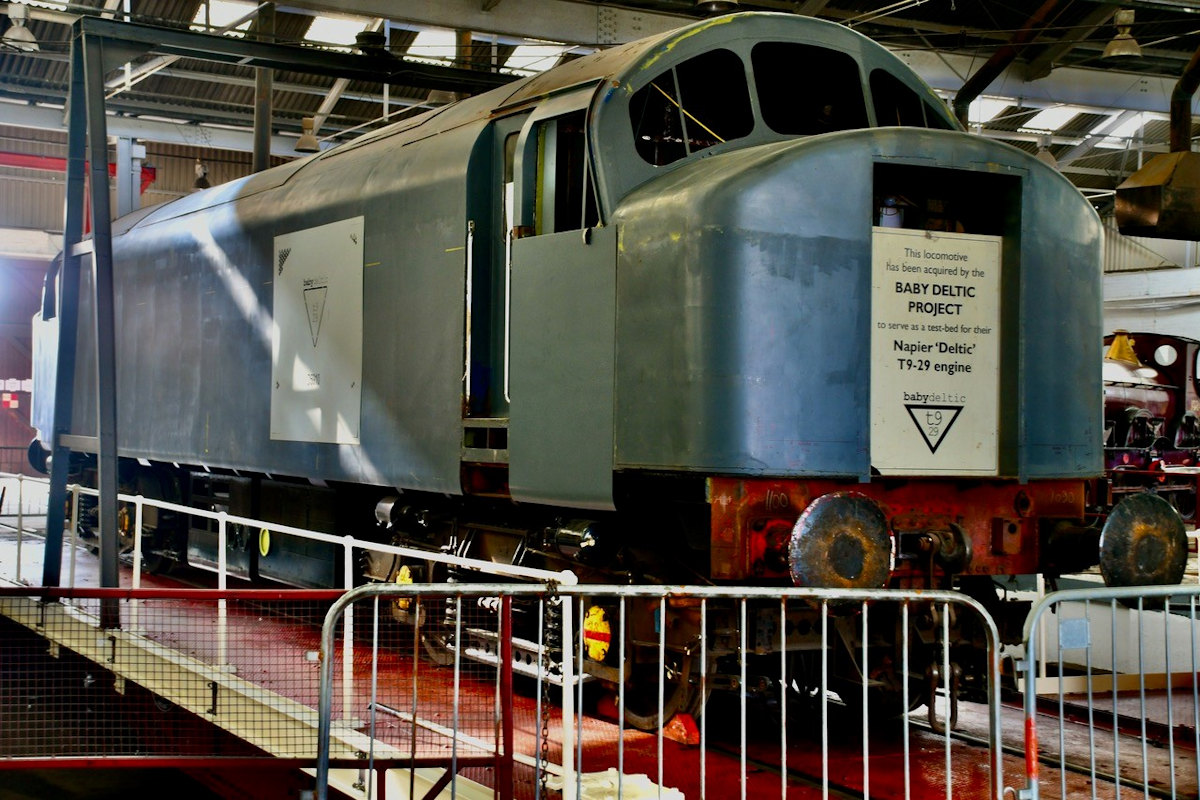
- Baby Deltic D5910 on the turntable. Photo: Michael Smyth.
-
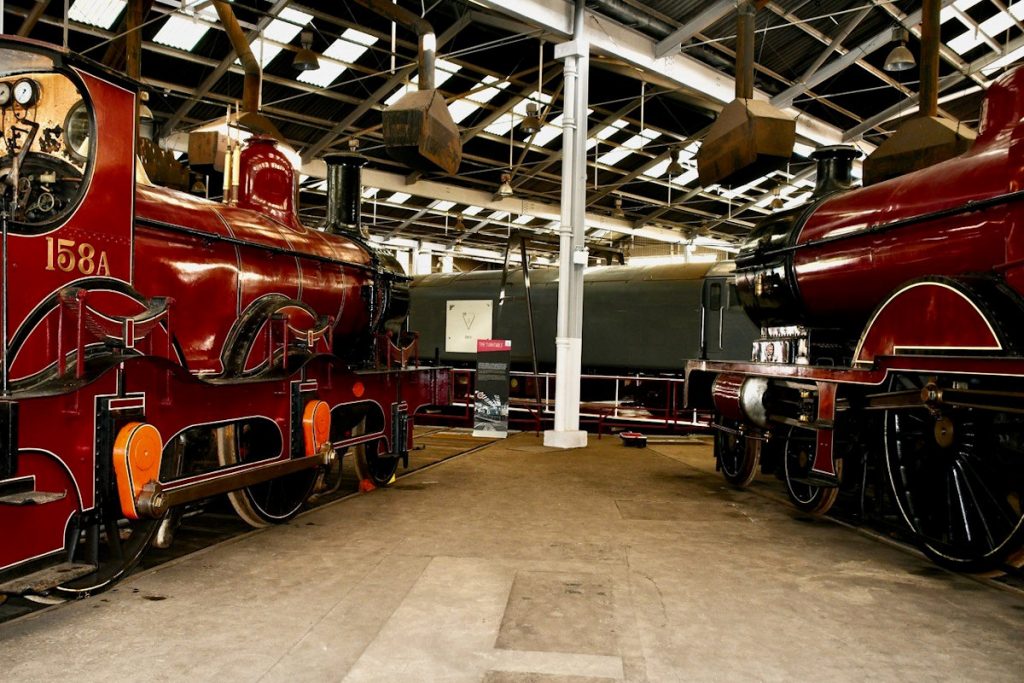
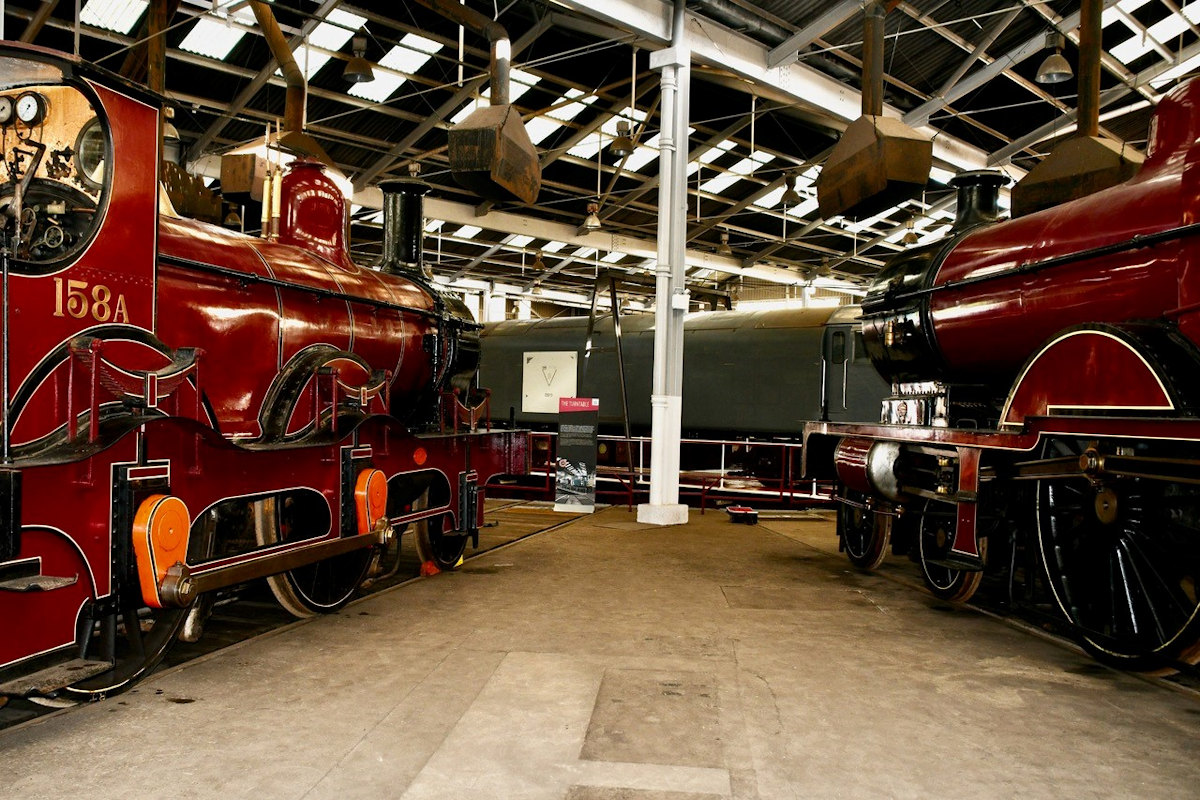
- Midland Railway 156 Class 2-4-0 No. 158A and 1000 Class 4-4-0 Compound No. 1000. Photo: Michael Smyth.
-
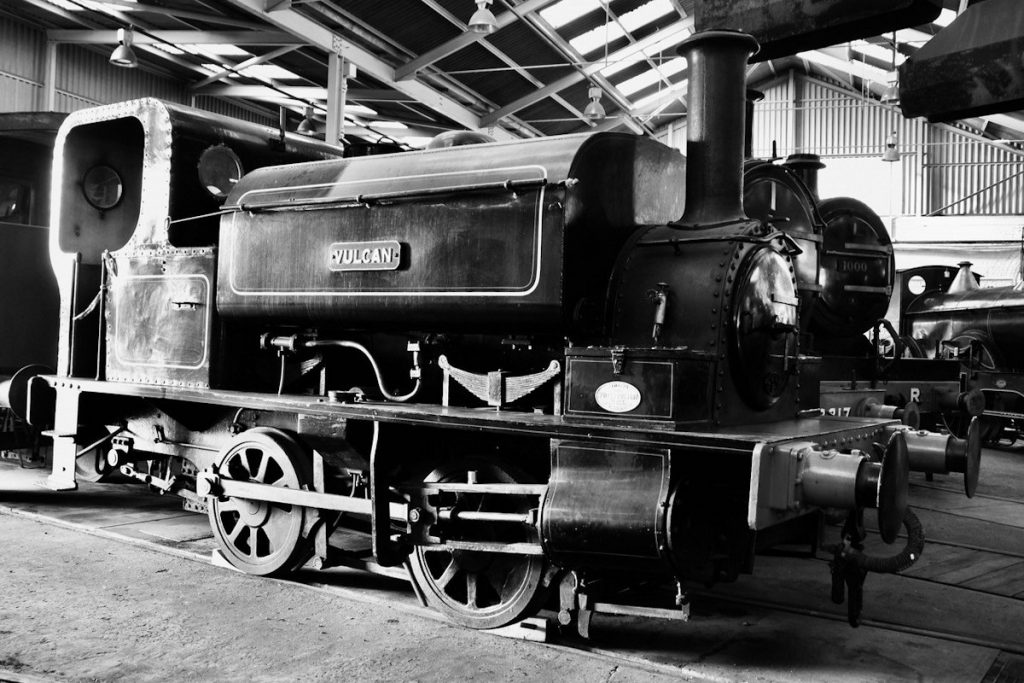
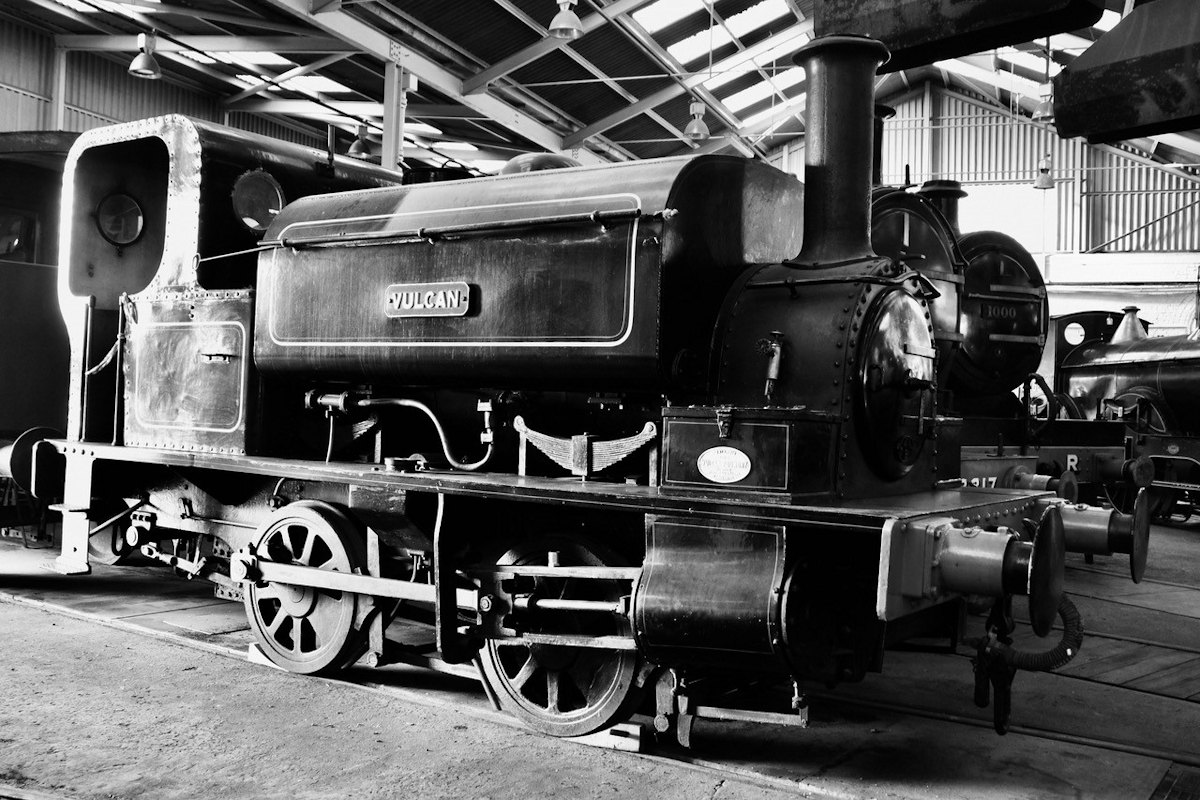
- 1918-built 0-4-0 Saddle Tank ‘Vulcan’, formerly works’ pilot engine at the Vulcan foundry. Photo: Michael Smyth.
-
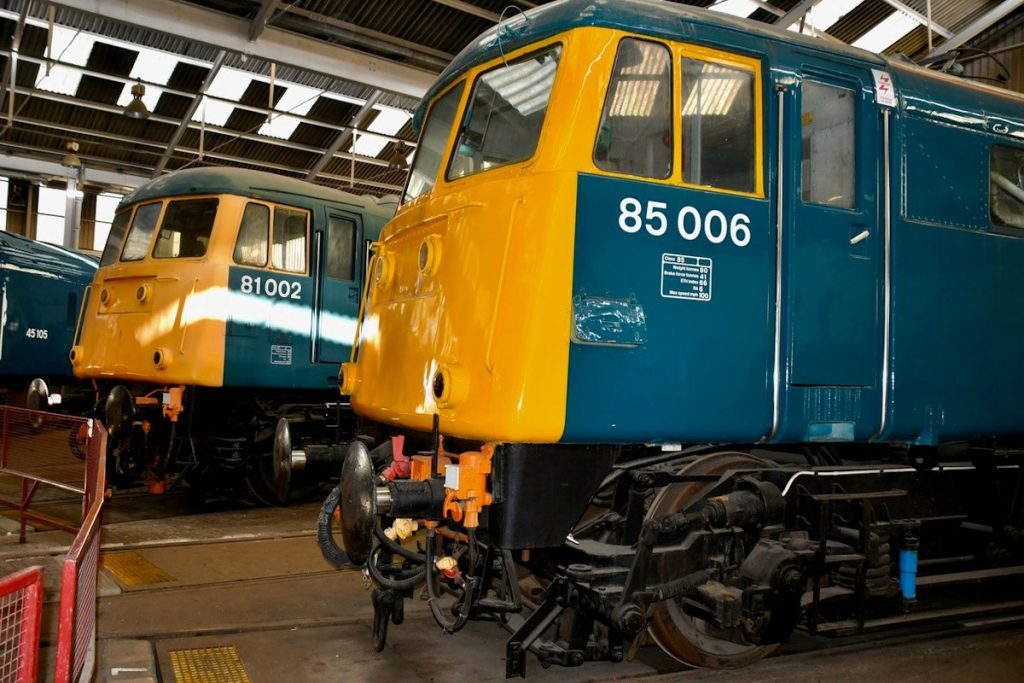
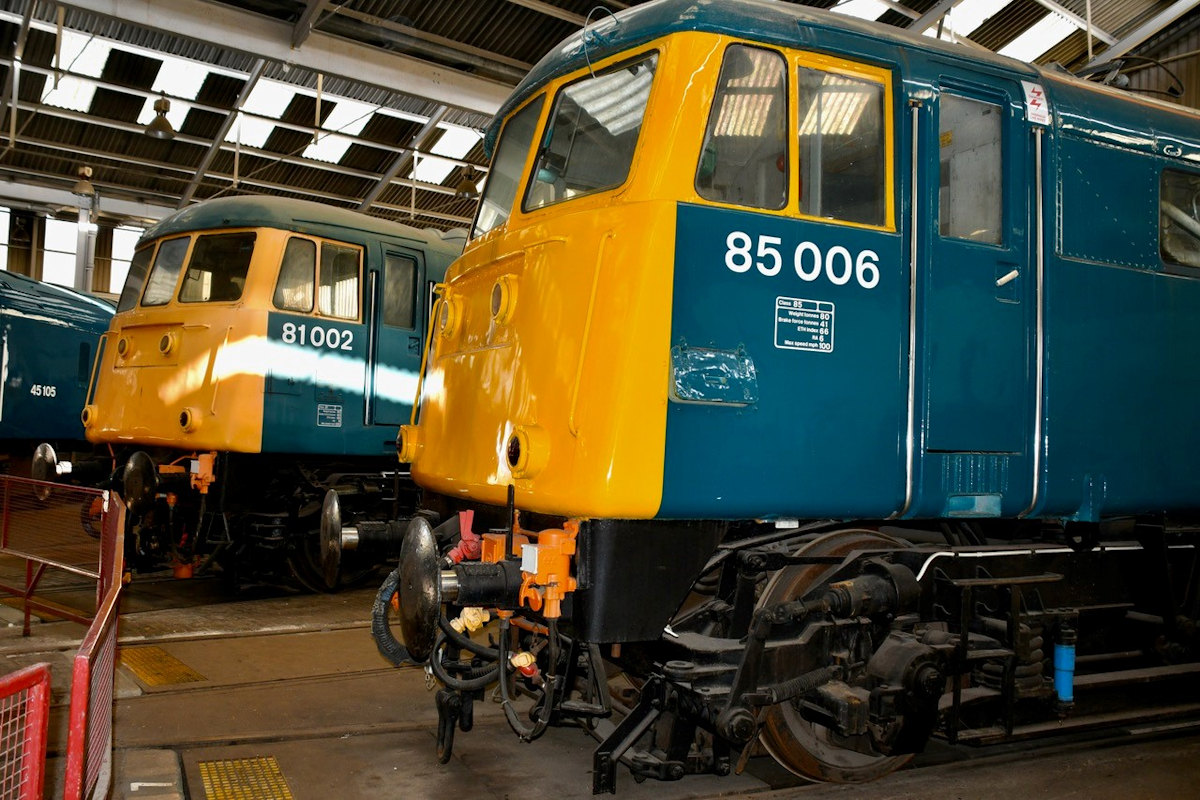
- British Thomson Houston (latterly Associated Electrical Industries) designed Class 81 No. 81002 and BR designed Class 85 No. 85006. Photo: Michael Smyth.
-
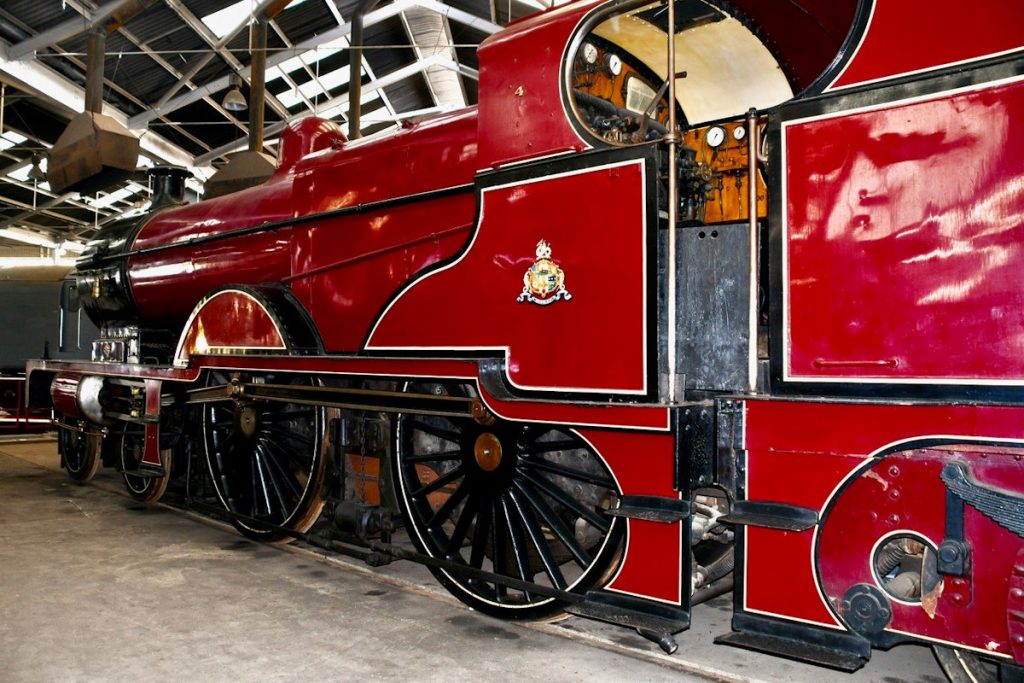
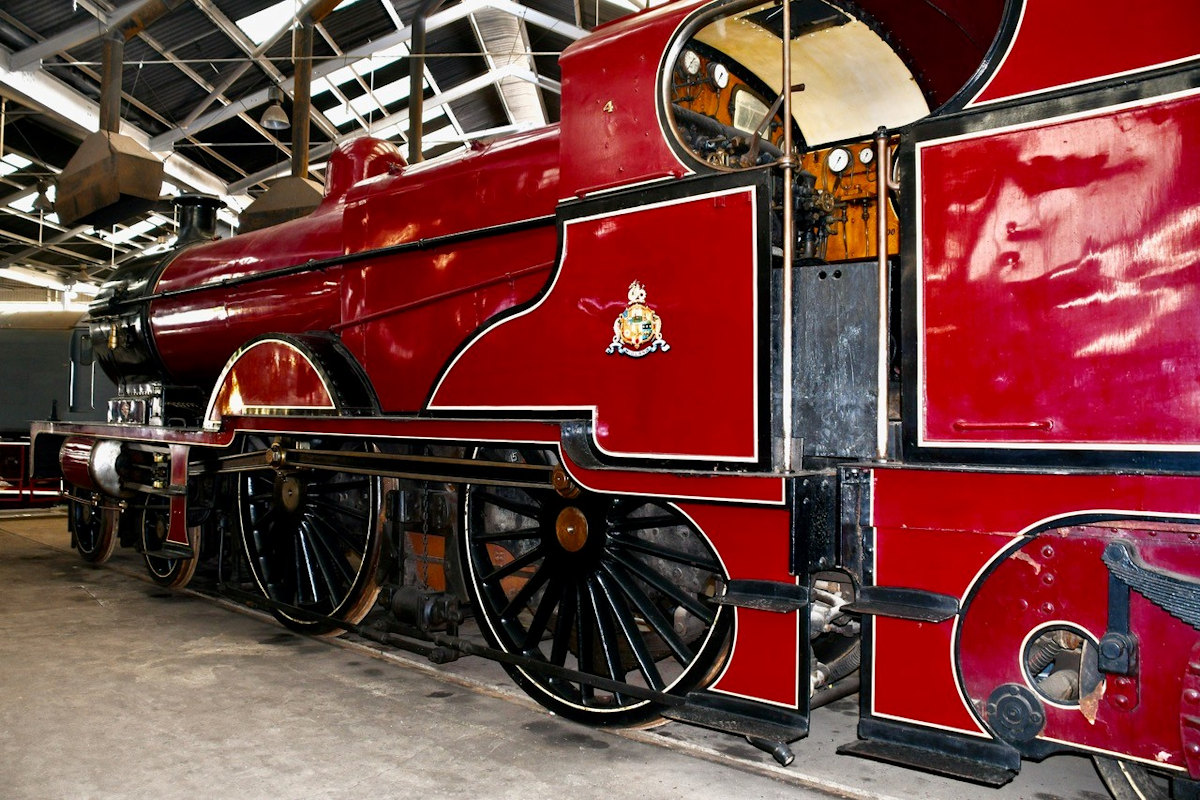
- Midland Railway Compound 1000 Class No. 1000. Photo: Michael Smyth.
-
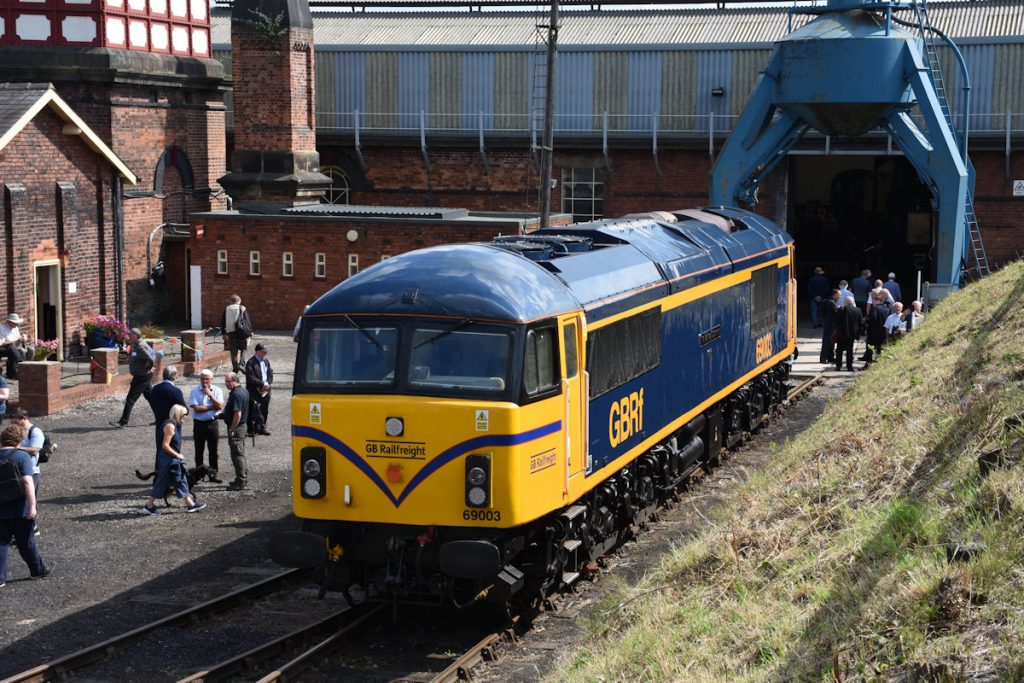
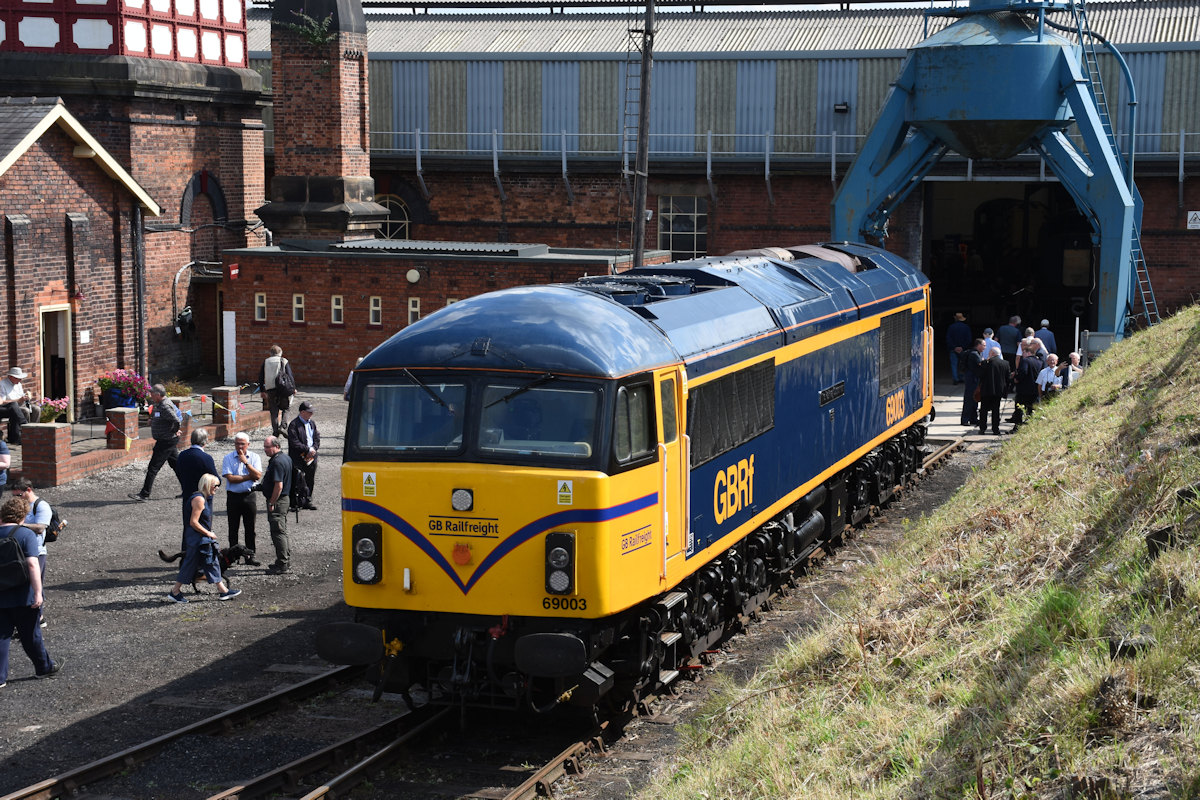
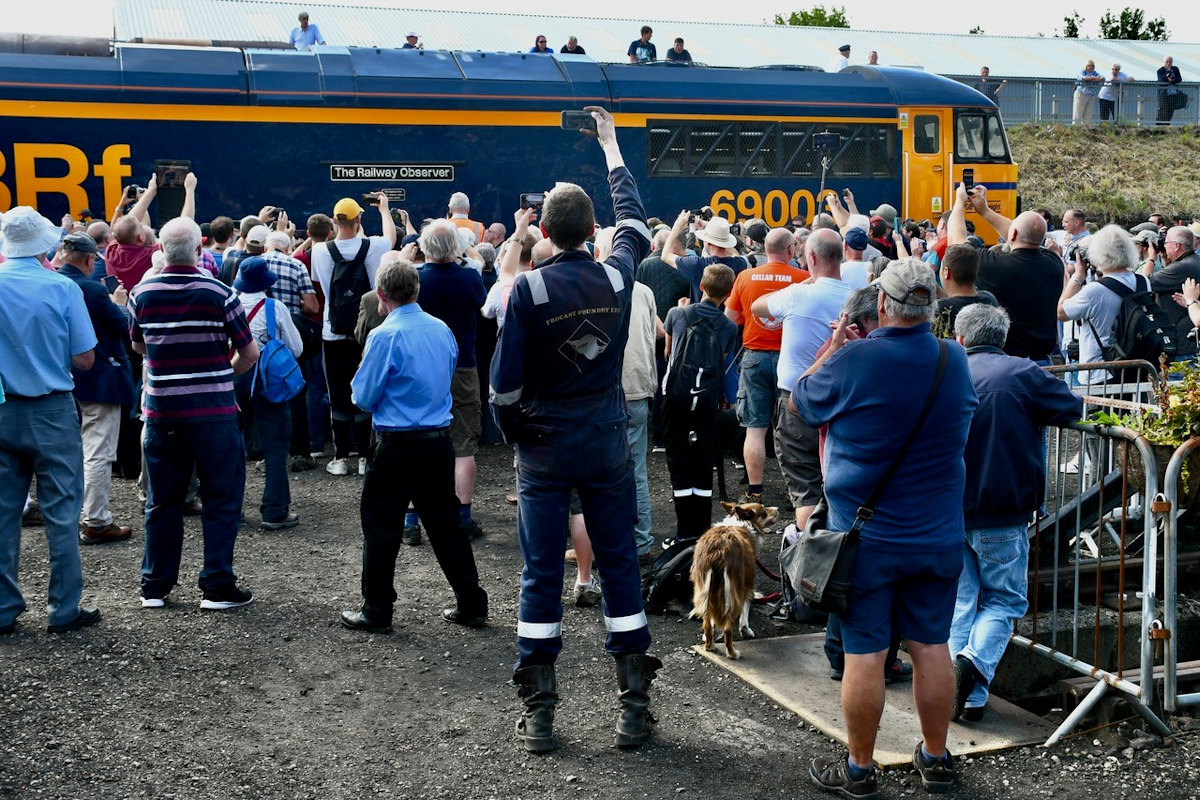
- The star of the show. Recently named 69003 ‘The Railway Observer’, formerly 56018. Photo: Alan Jones.
-
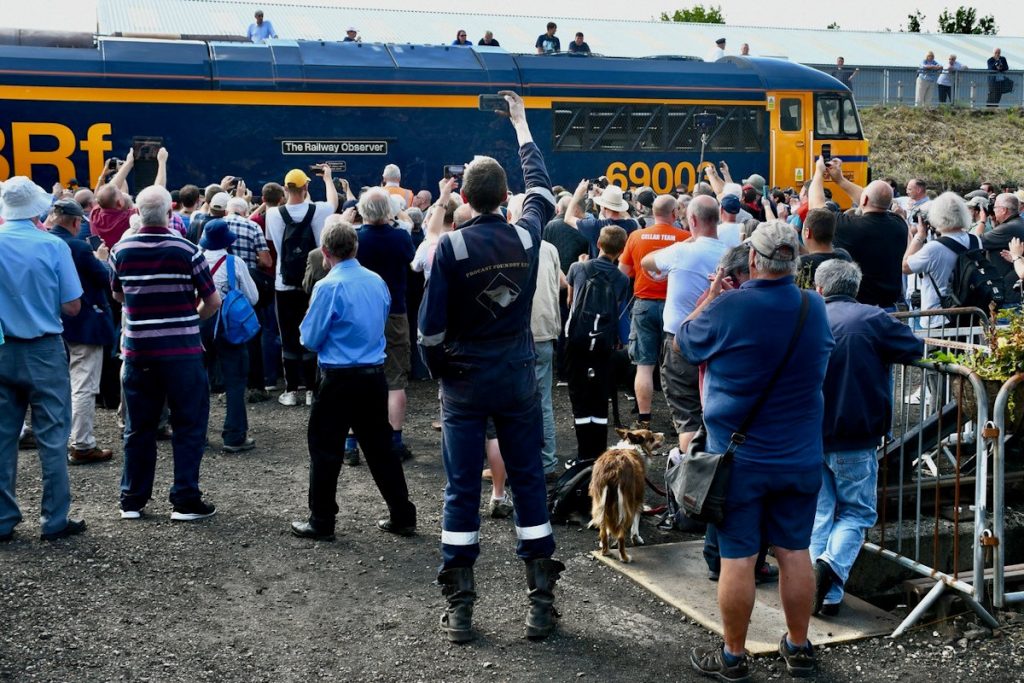
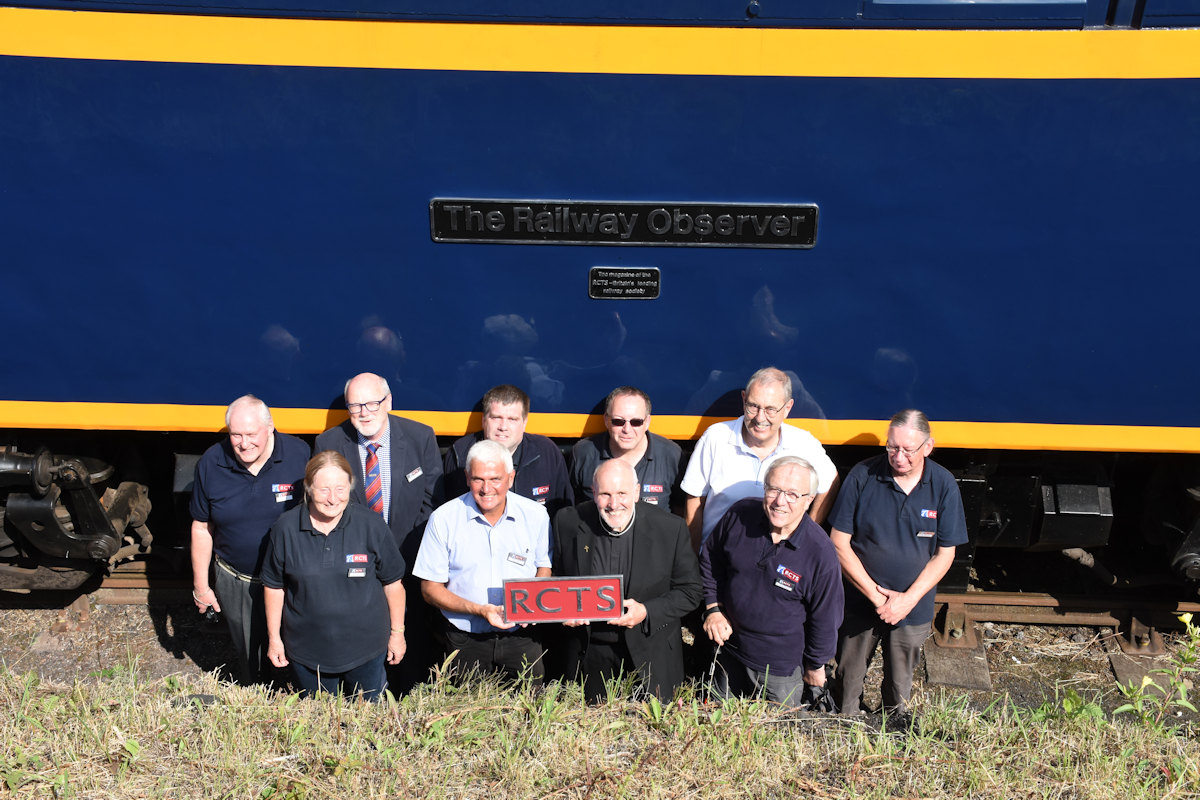
- The moment of naming 69003 by RCTS President, Reverend Canon Brian Arman. Photo: Michael Smyth.
-
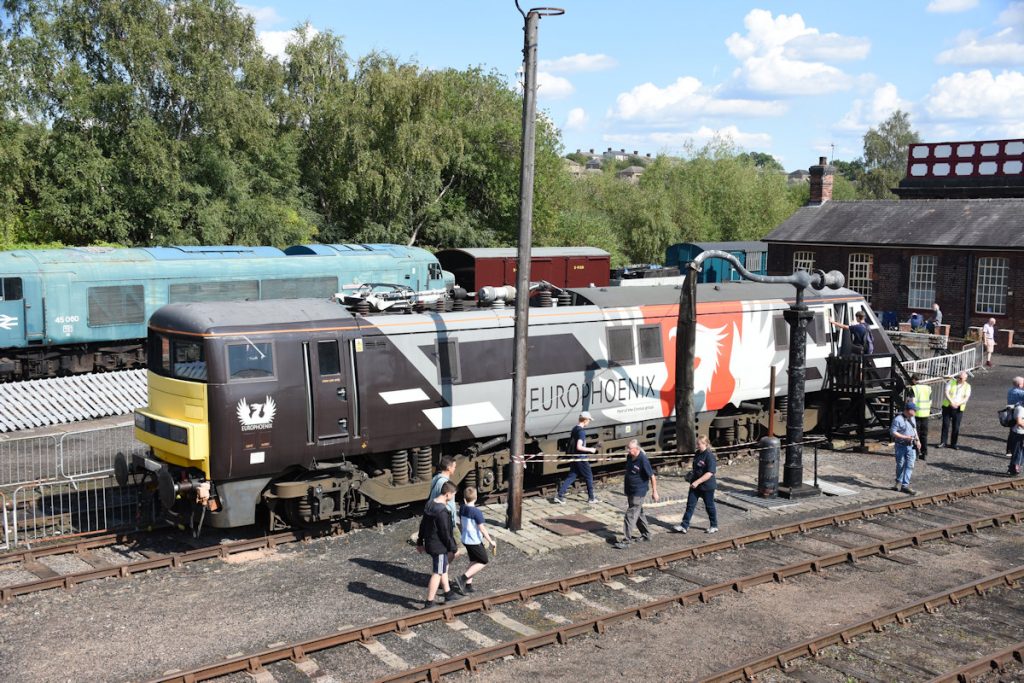
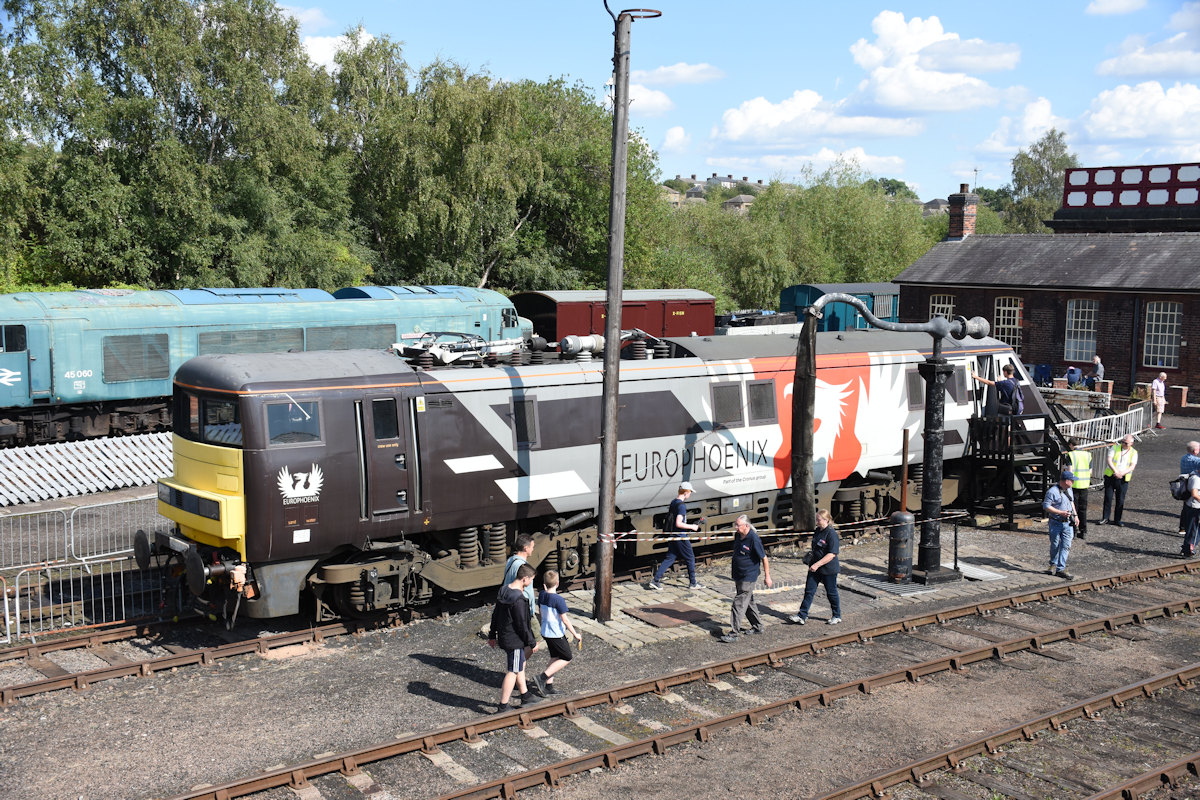
- The ‘Blunt End’ of BR Class 91, No. 91120. Photo: Alan Jones.
-
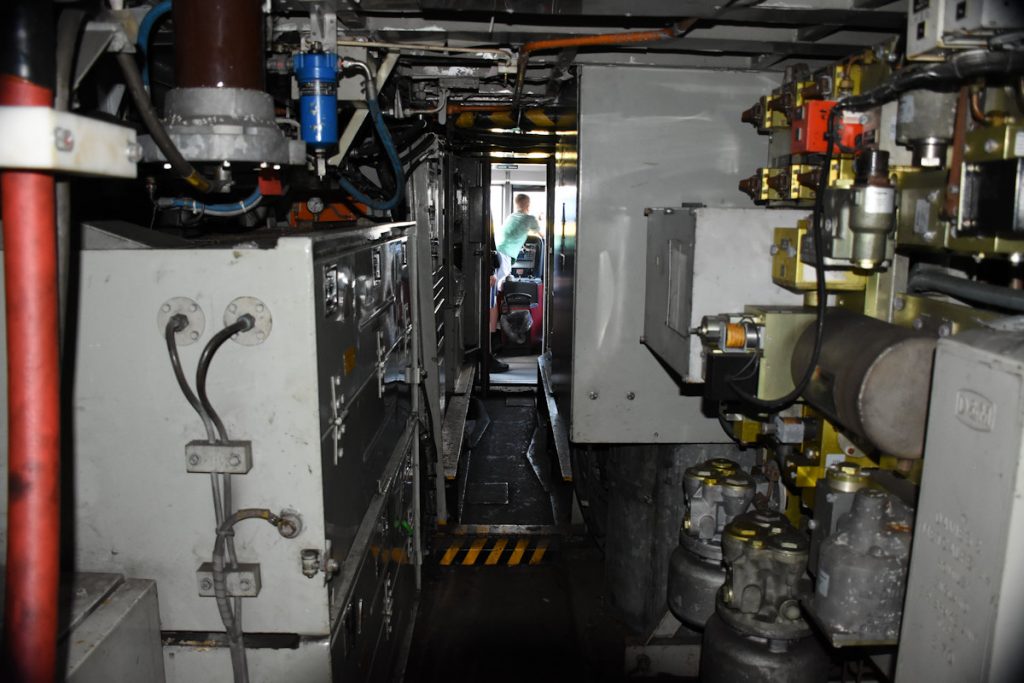
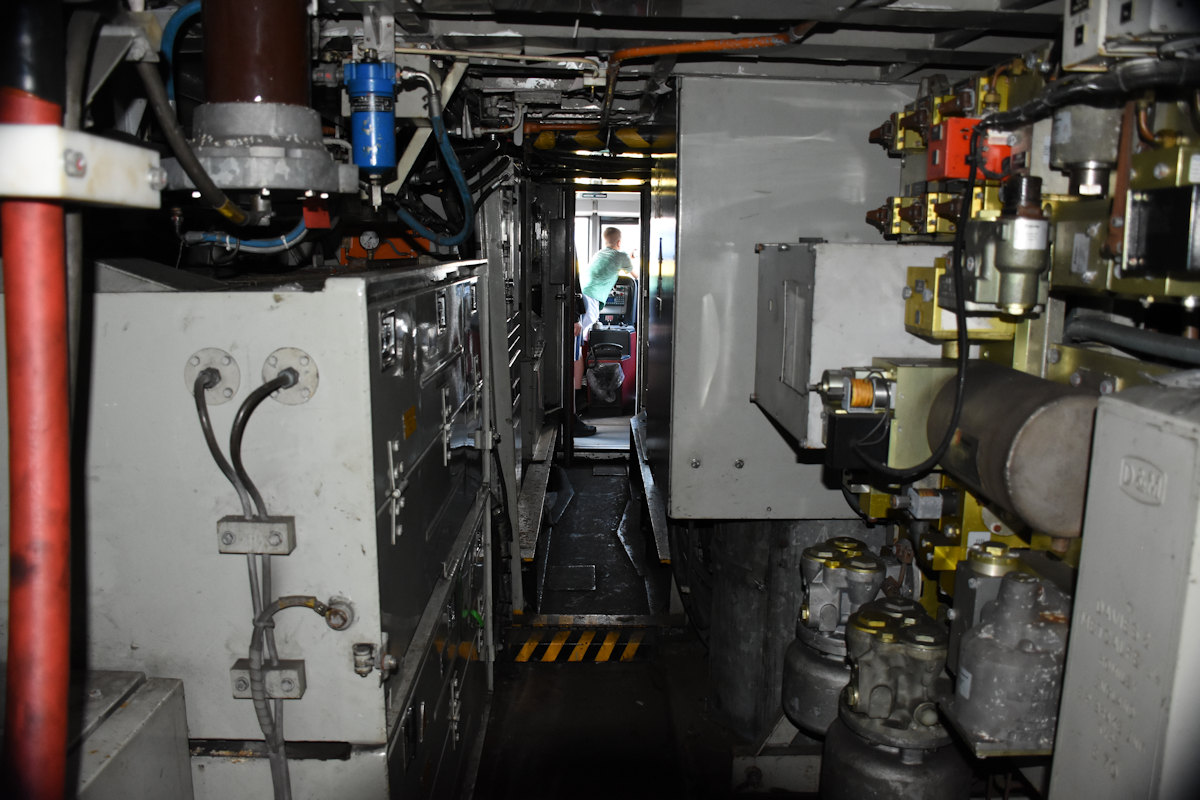
- The interior of 91120. Photo: Alan Jones.
-
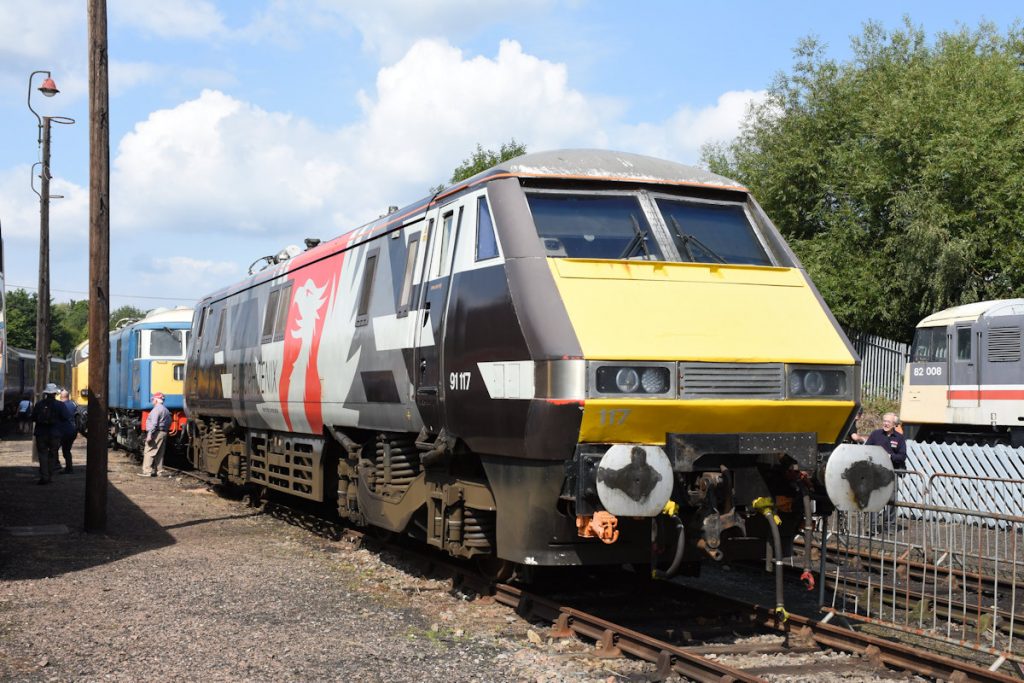
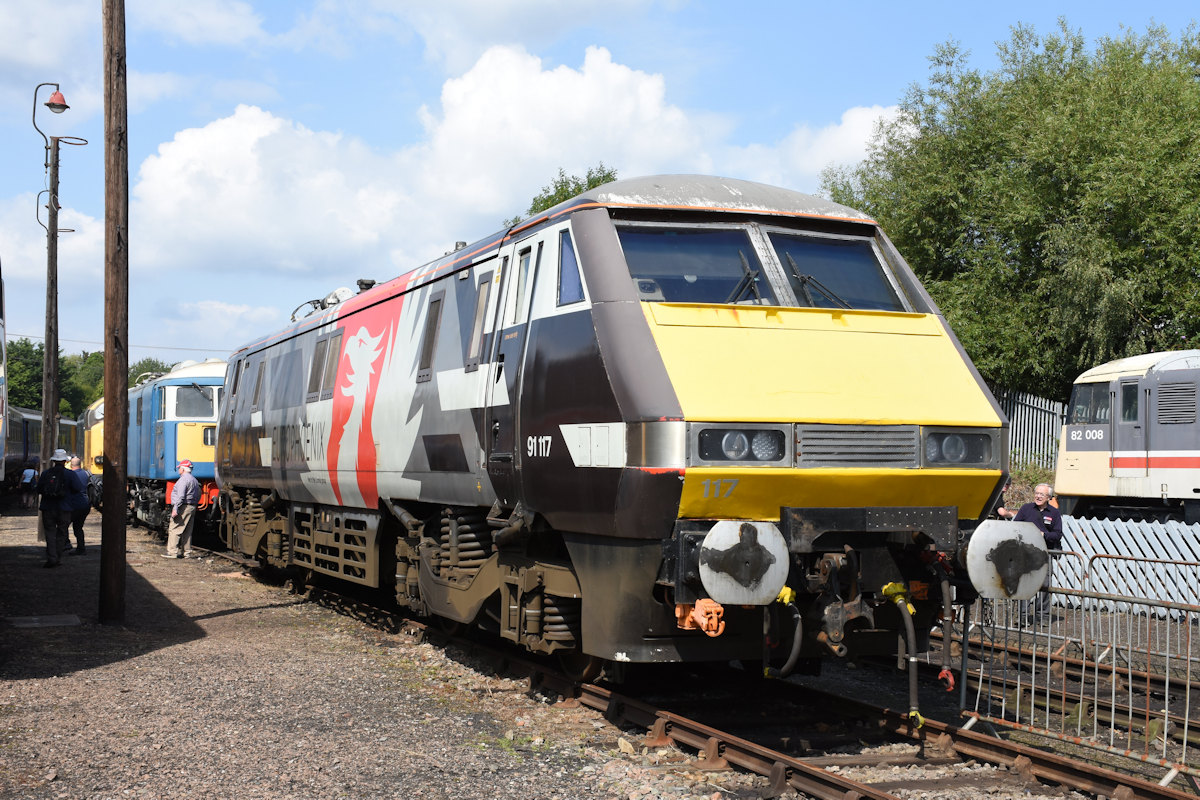
- BR Class 91 No. 91117 and Class 83 No. E3035 (latterly 83012). Photo: Alan Jones.
-
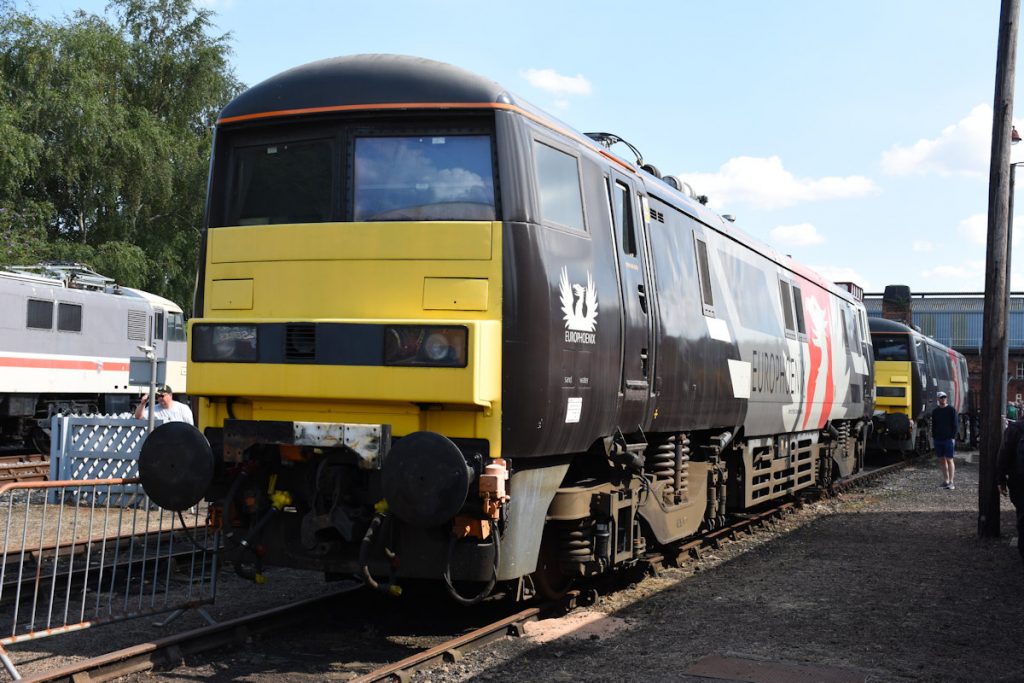
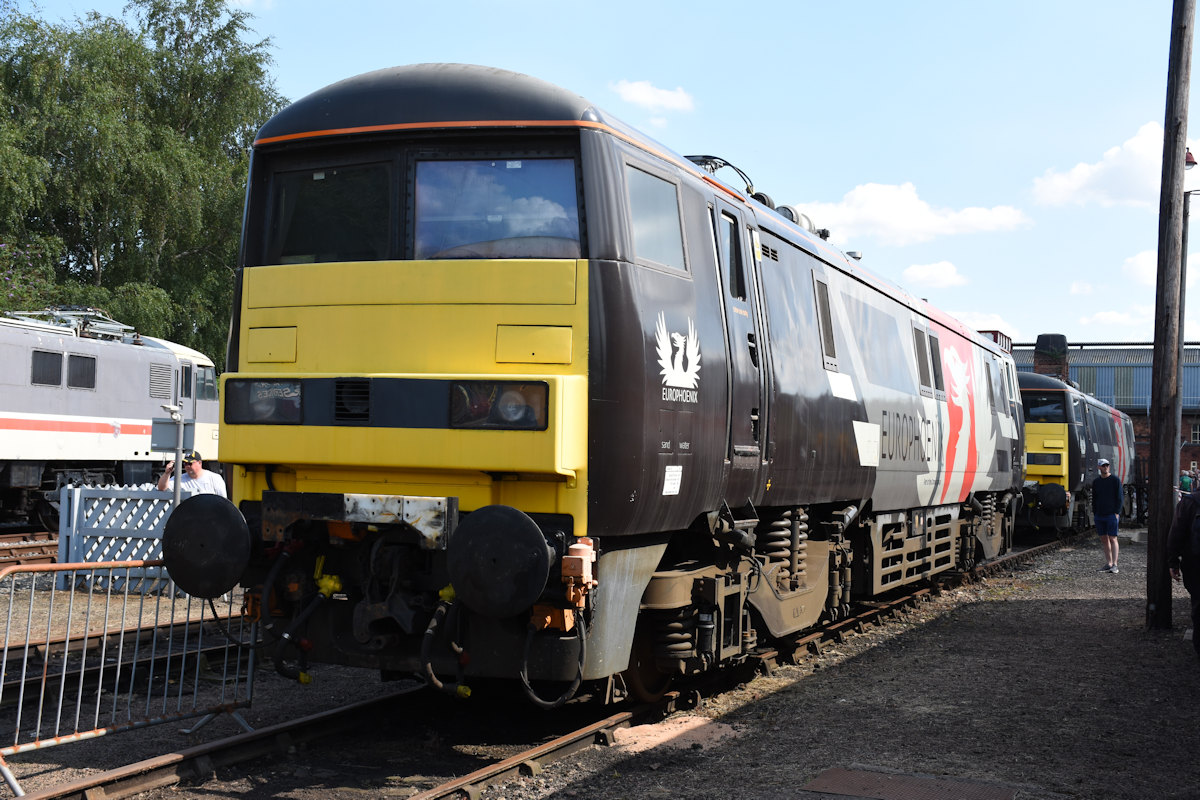
- BR Class 91s numbers 91117 and 91120. Photo: Alan Jones.
-
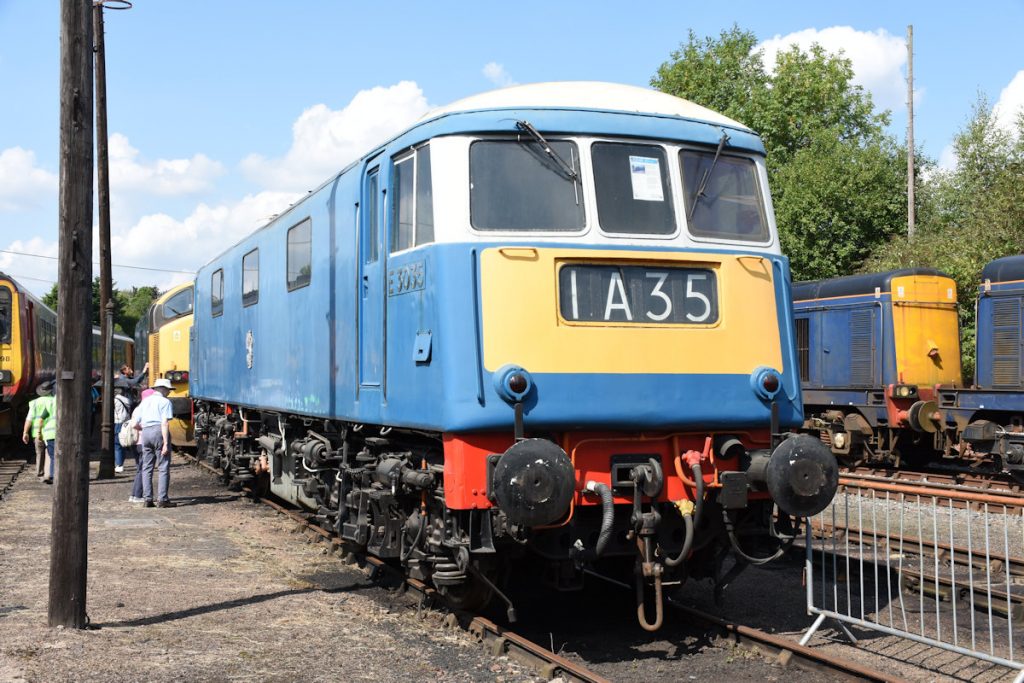
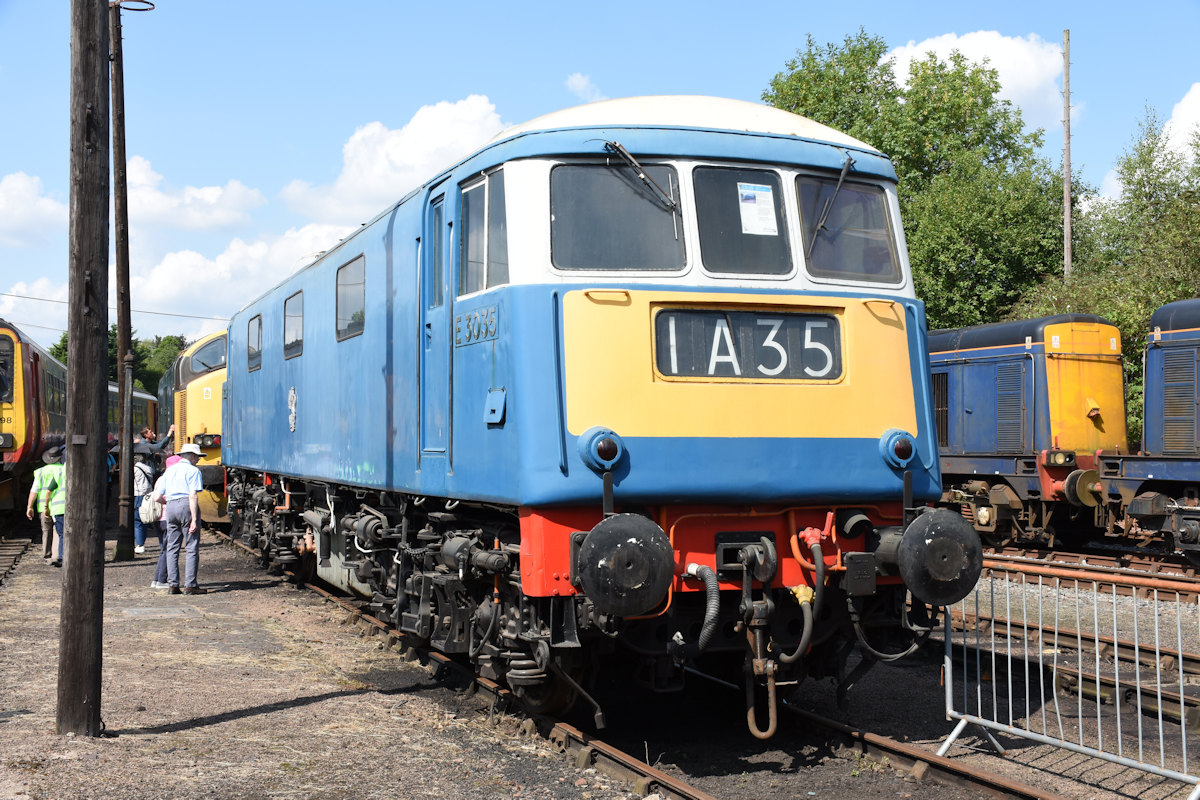
- Vulcan Foundry-built Class AL3 No. E3035. Photo: Alan Jones.
-
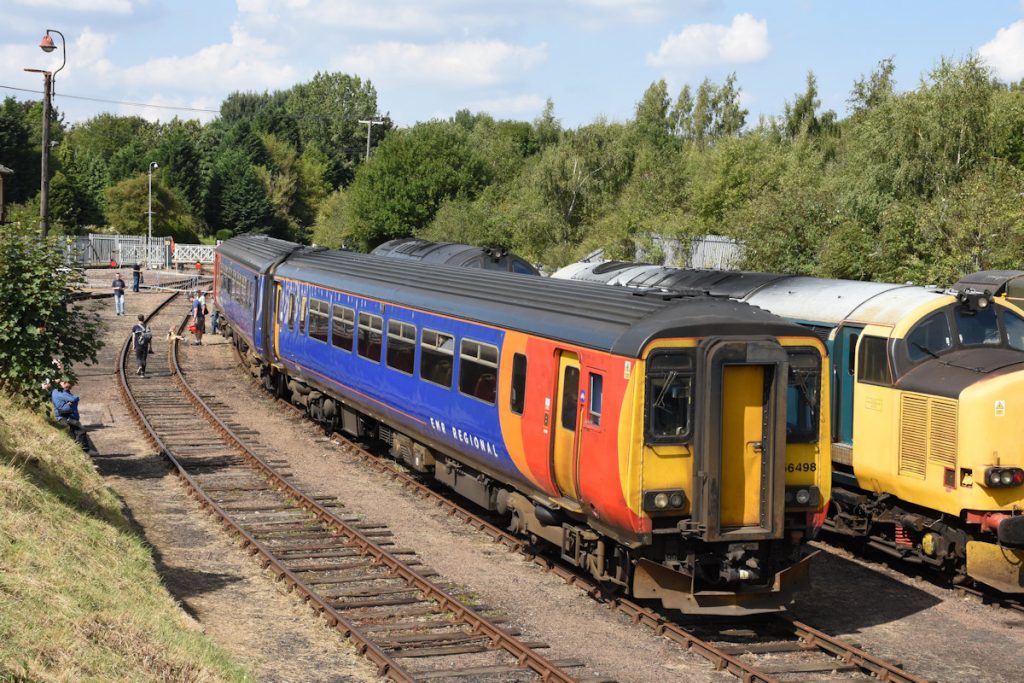
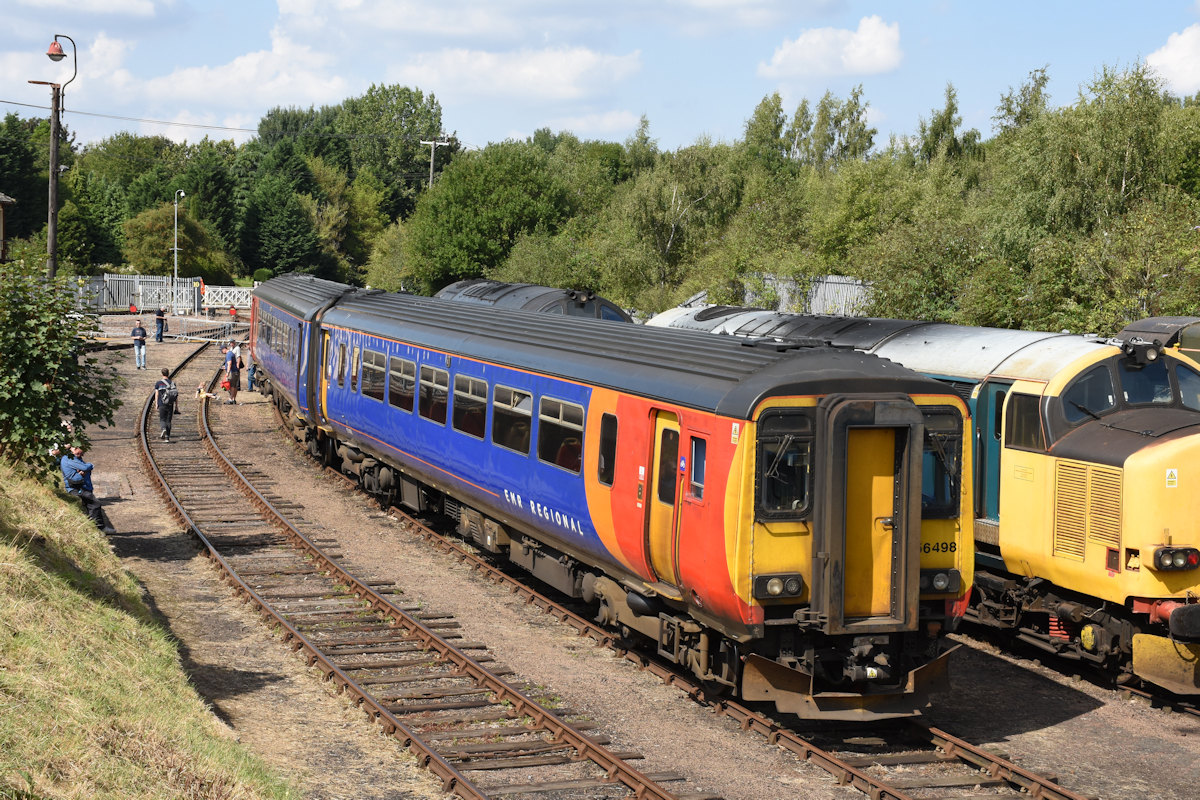
- A different form of Class 156: Metro-Cammell-built ‘Super Sprinter’ unit 156498 from East Midlands Railway. Photo: Alan Jones.
-
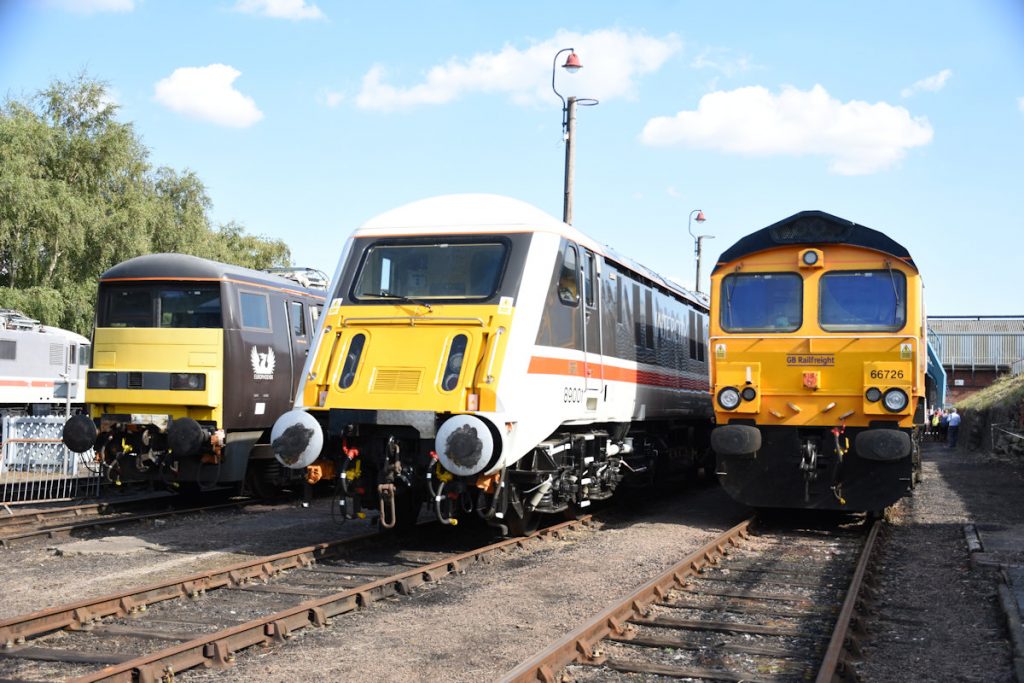
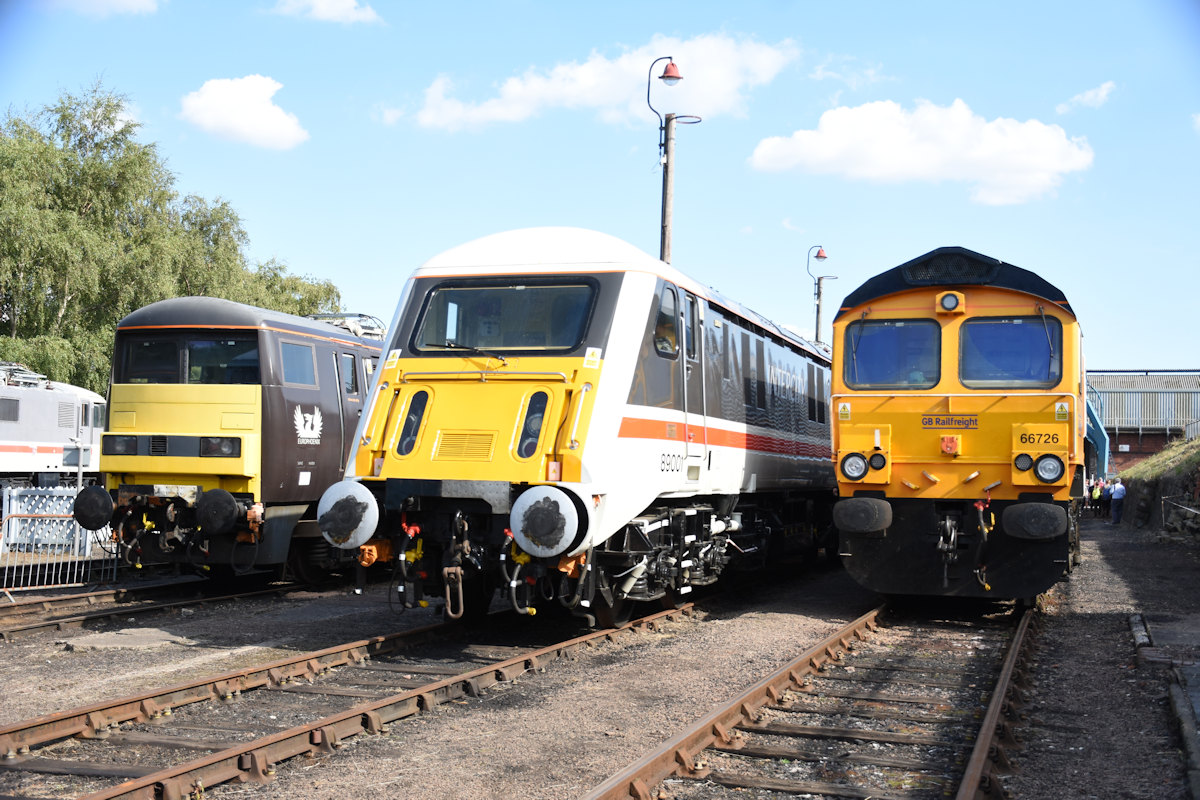
- The sole Class 89, built at Crewe Works in 1986, is flanked by 91117 and 66726 ‘Sheffield Wednesday’. Photo: Alan Jones.
-
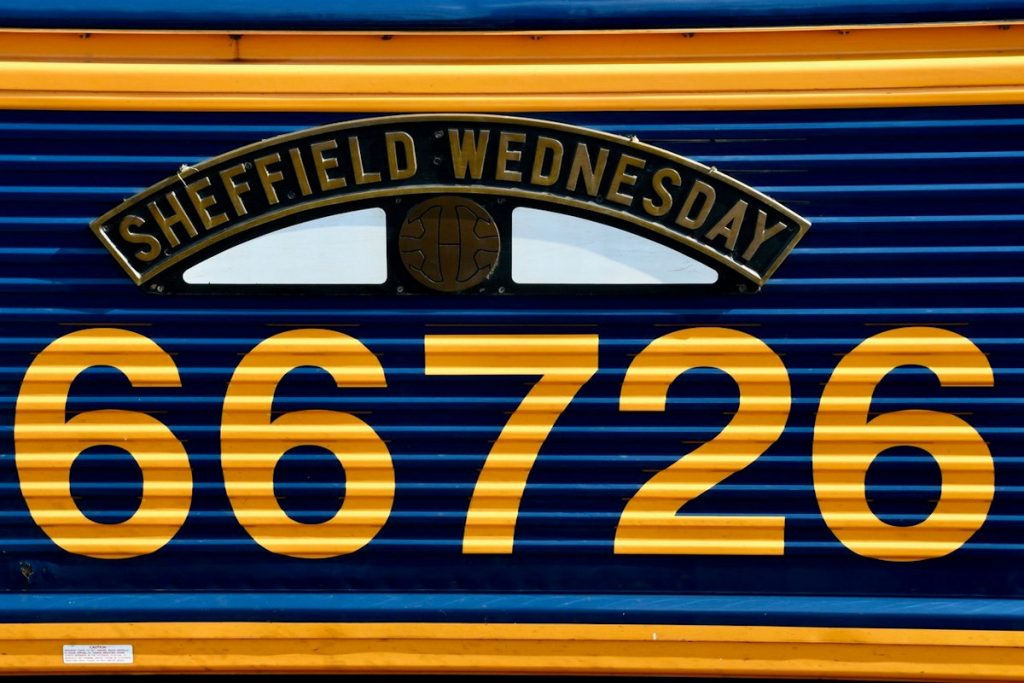
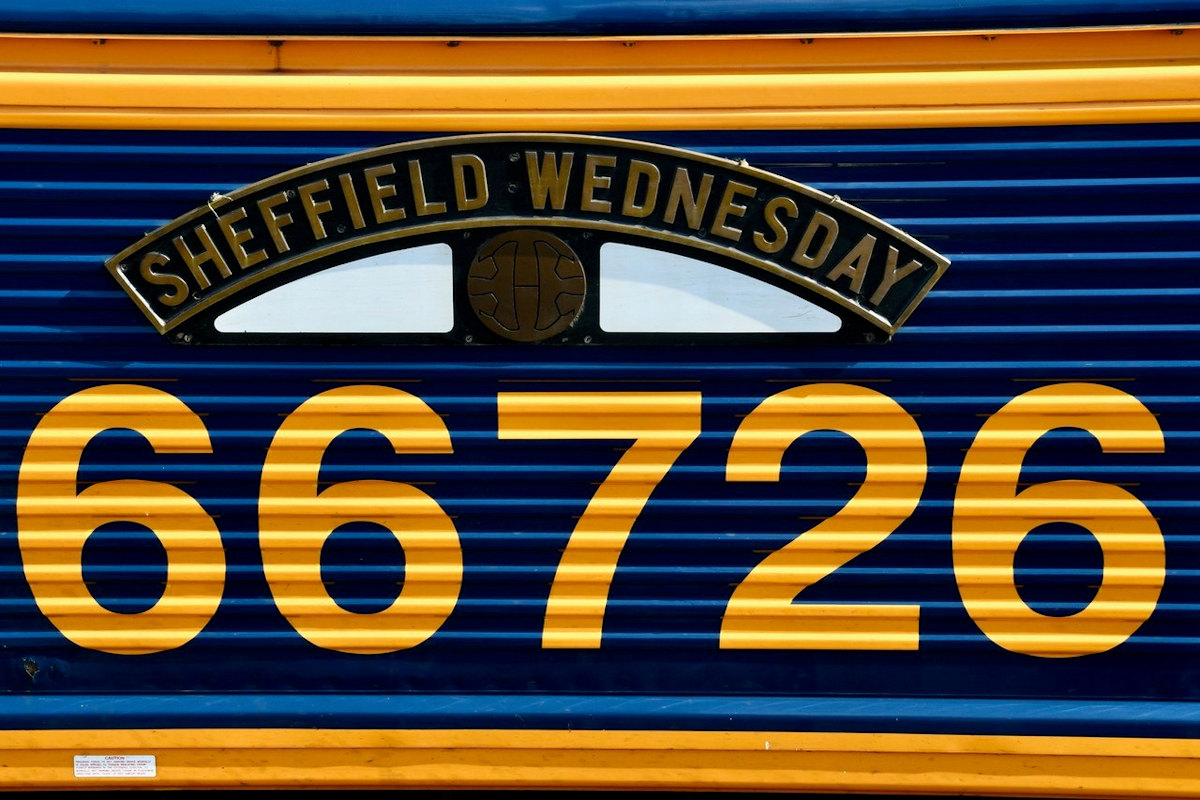
- GB Railfreight Class 66 No. 66726 ‘Sheffield Wednesday’. Photo: Michael Smyth.
-
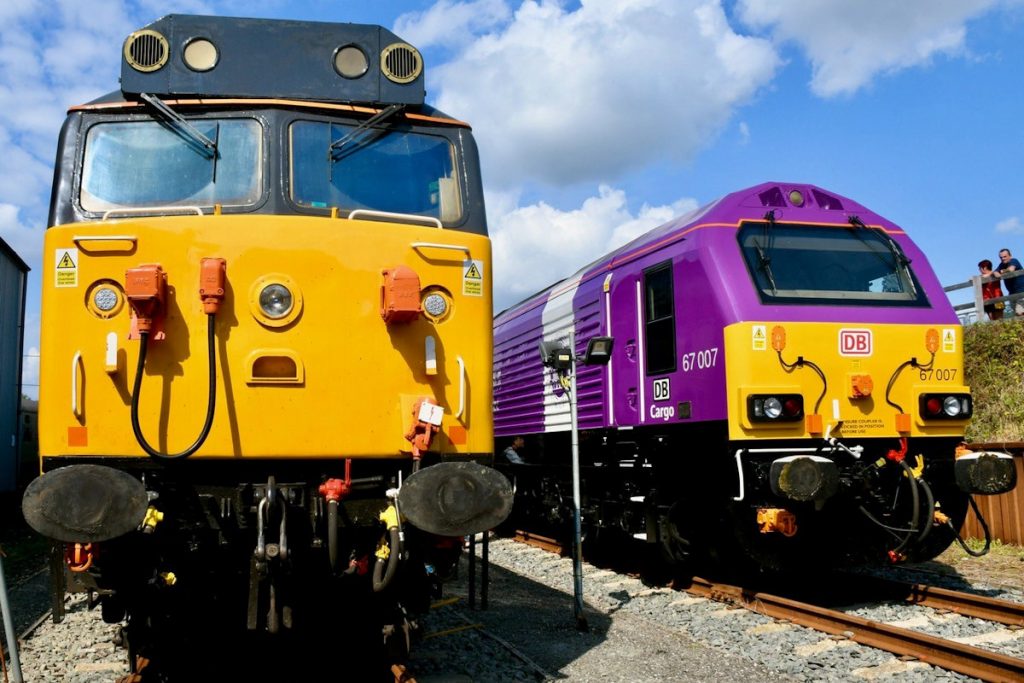
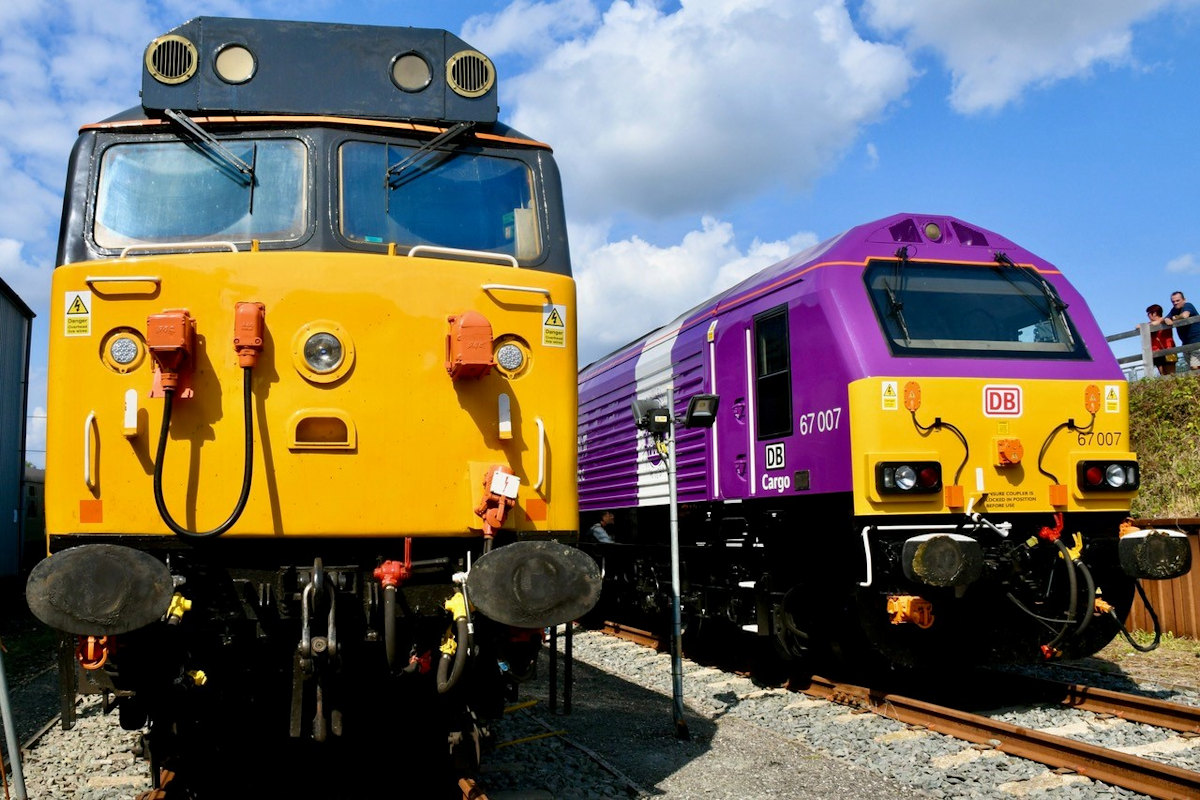
- 1968-built Hanson and Hall Rail Services’ Class 50 No. 50008 ‘Thunderer’ and 1999-built DB Cargo Class 67 No. 67007 in Queen’s Platinum Jubilee livery. Photo: Michael Smyth.
-
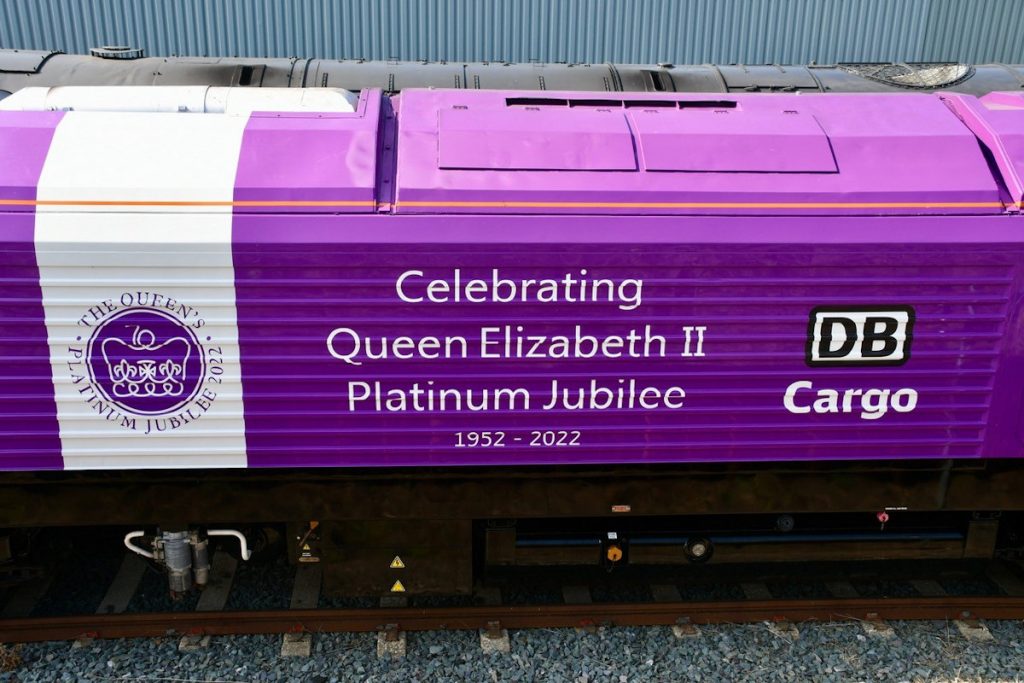
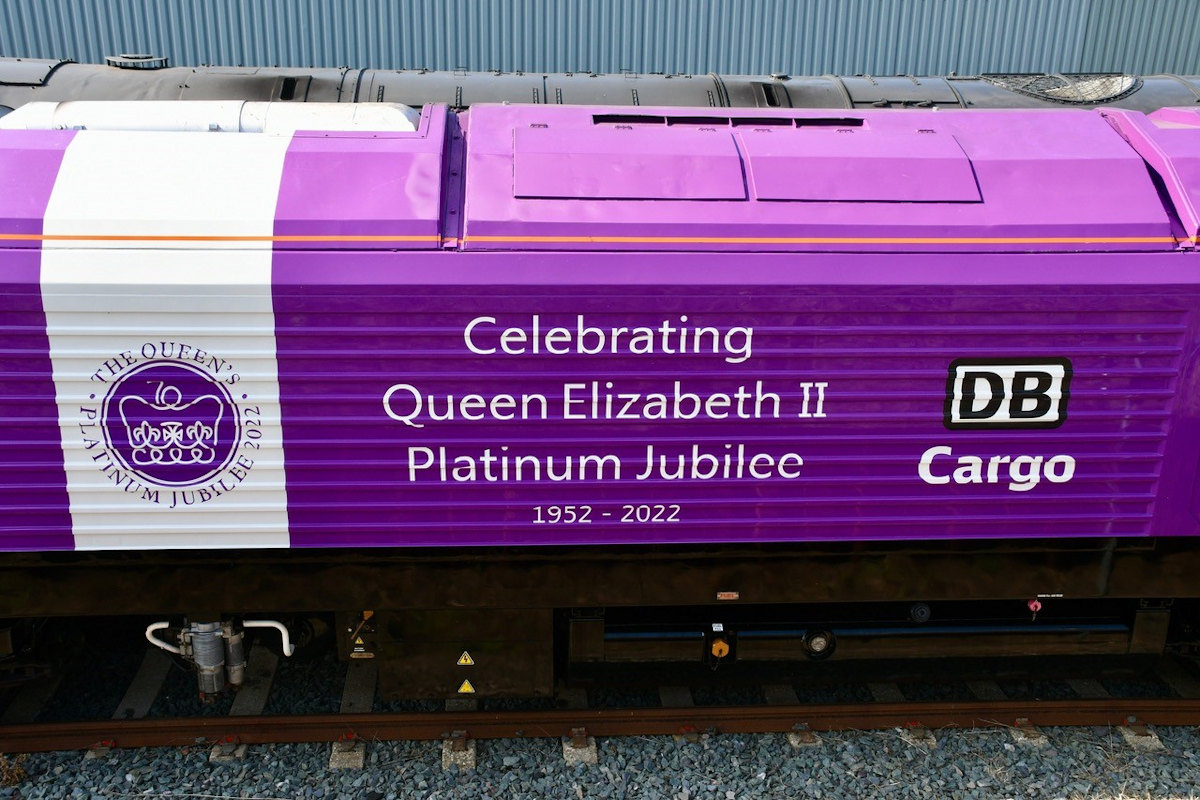
- Class 67 No. 67007 is a privileged locomotive, carrying the Queen’s Platinum Jubilee livery and also hauling the last UK Travelling Post Office working, 1C02, the 00.55 Bristol to Penzance on 10th January 2004. Photo: Michael Smyth.
-
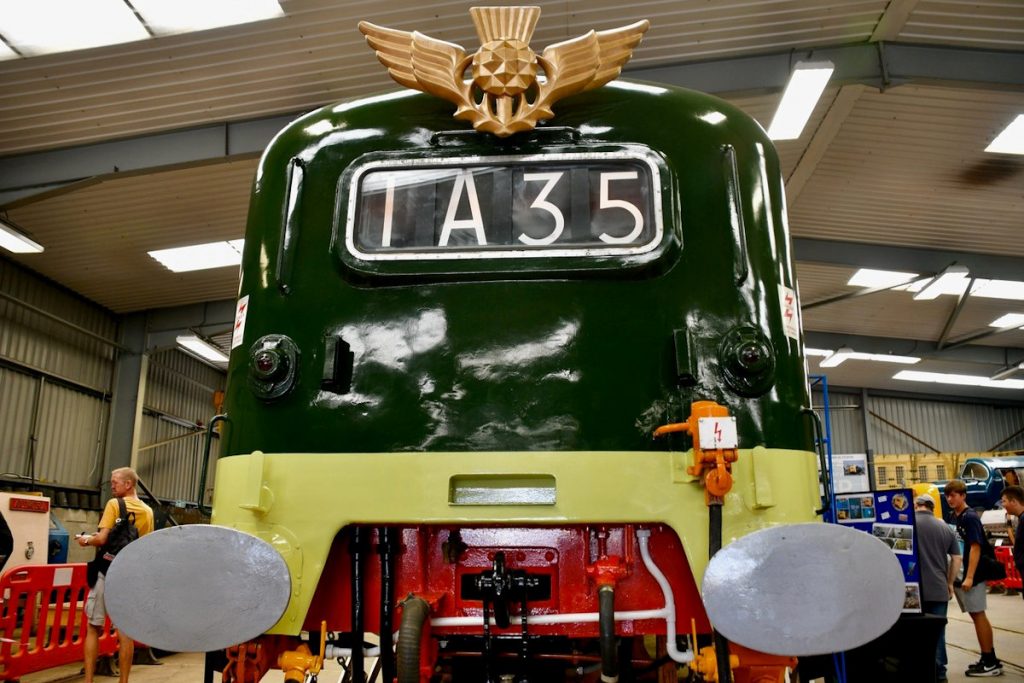
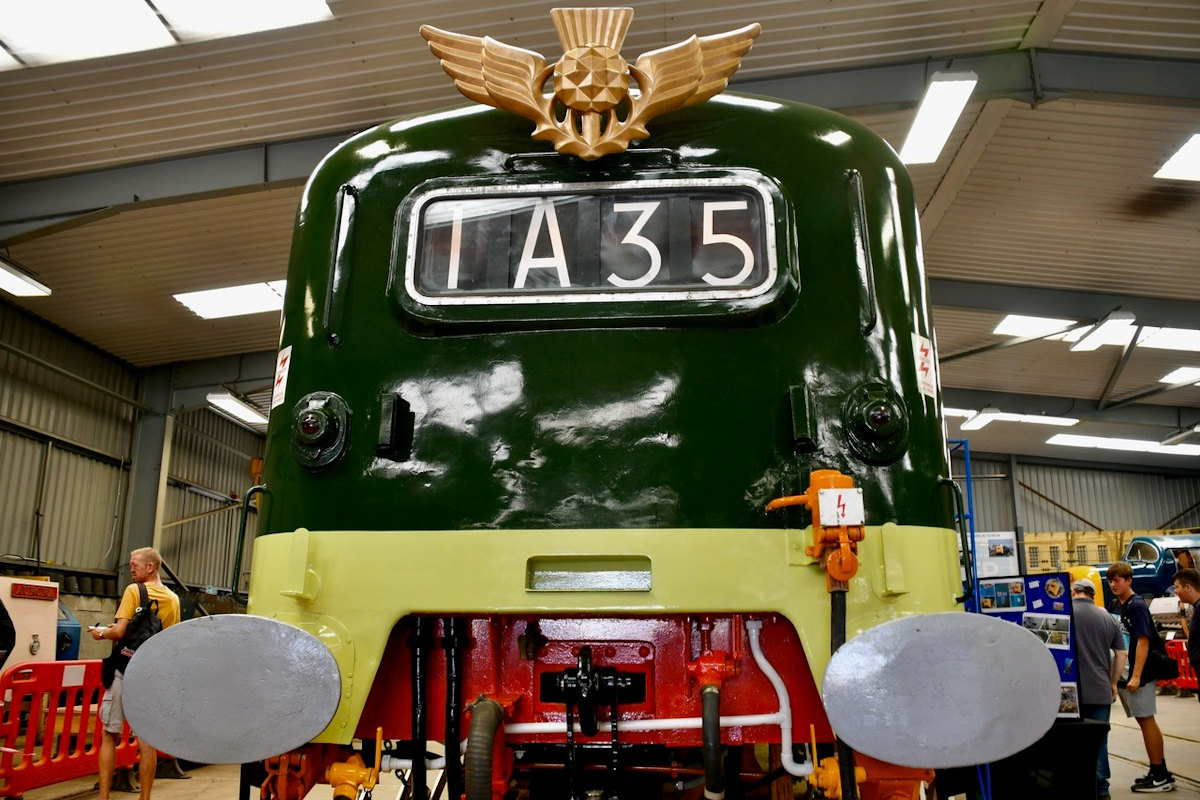
- Deltic D9015 ‘Tulyar’. Photo: Michael Smyth.
-
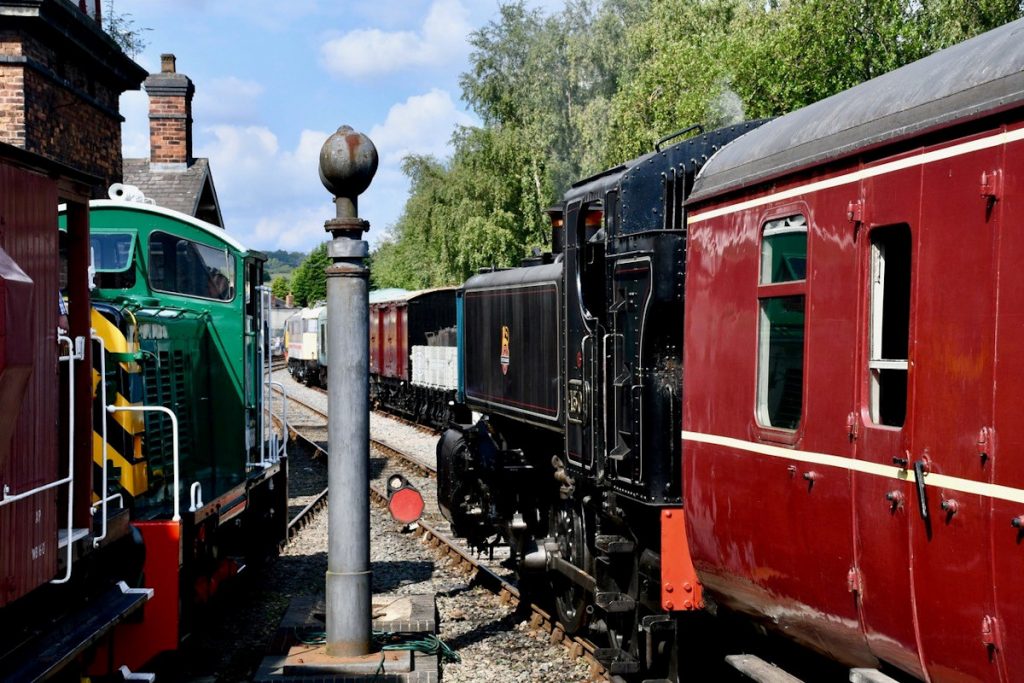
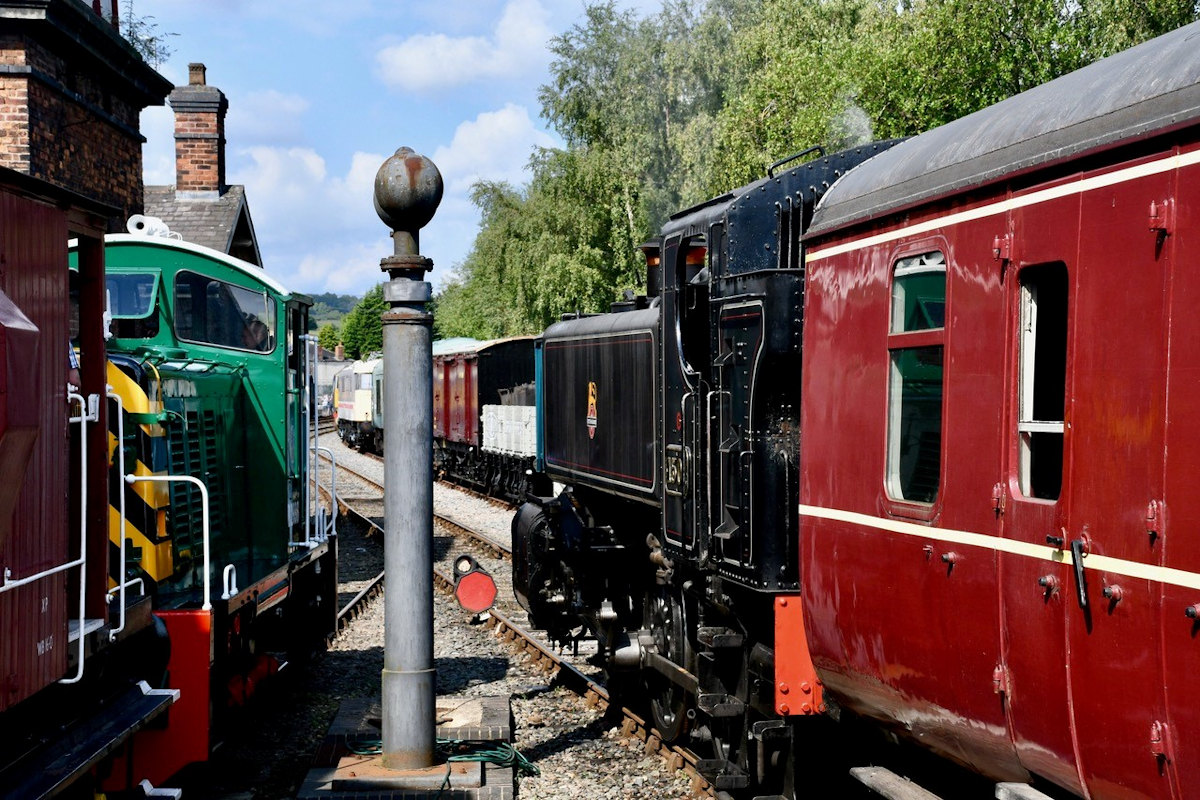
- Great Western Railway 1500 Class 0-6-0 Pannier Tank No. 1501. Photo: Michael Smyth.
-
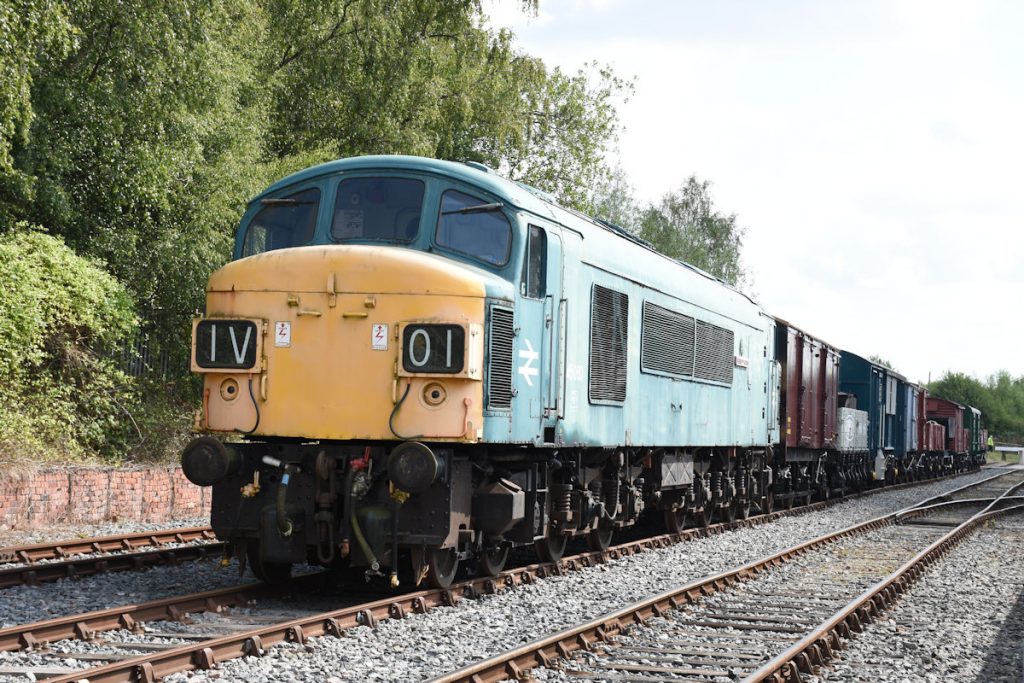
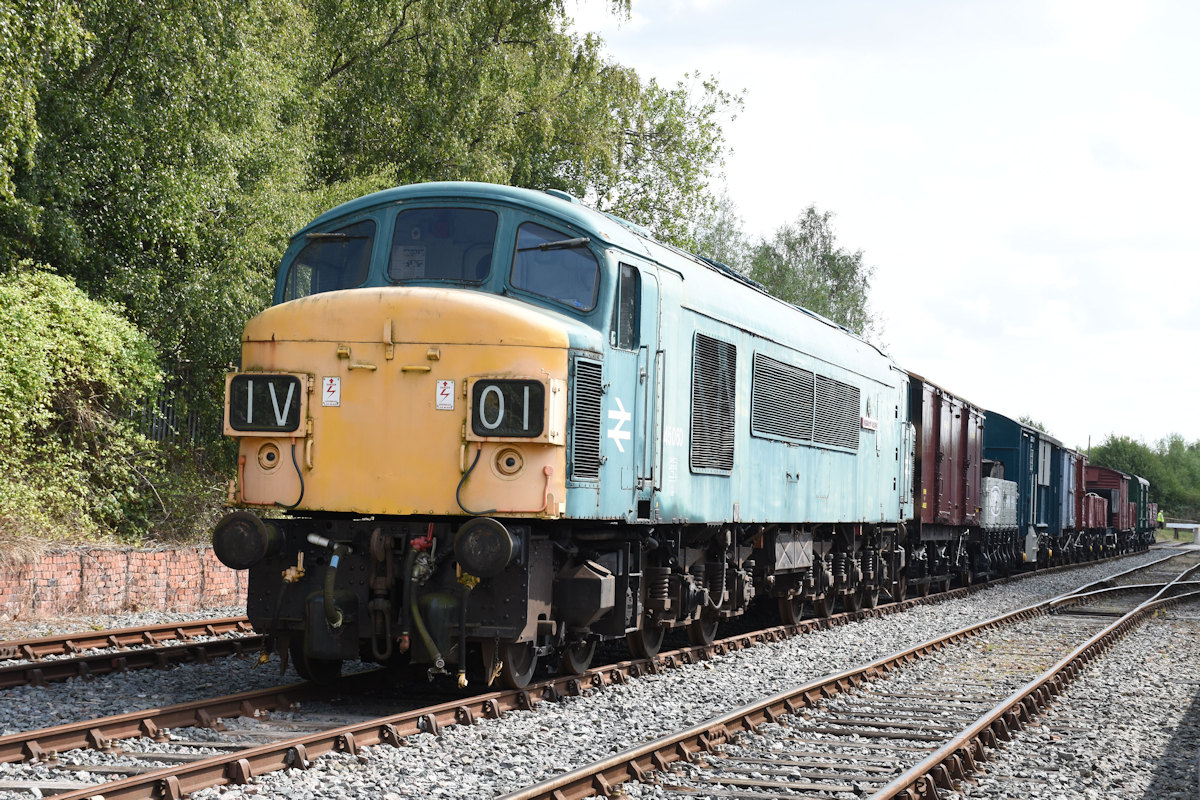
- BR-built Class 45/0 No. 45060 ‘Sherwood Forester’. Photo: Alan Jones.
-
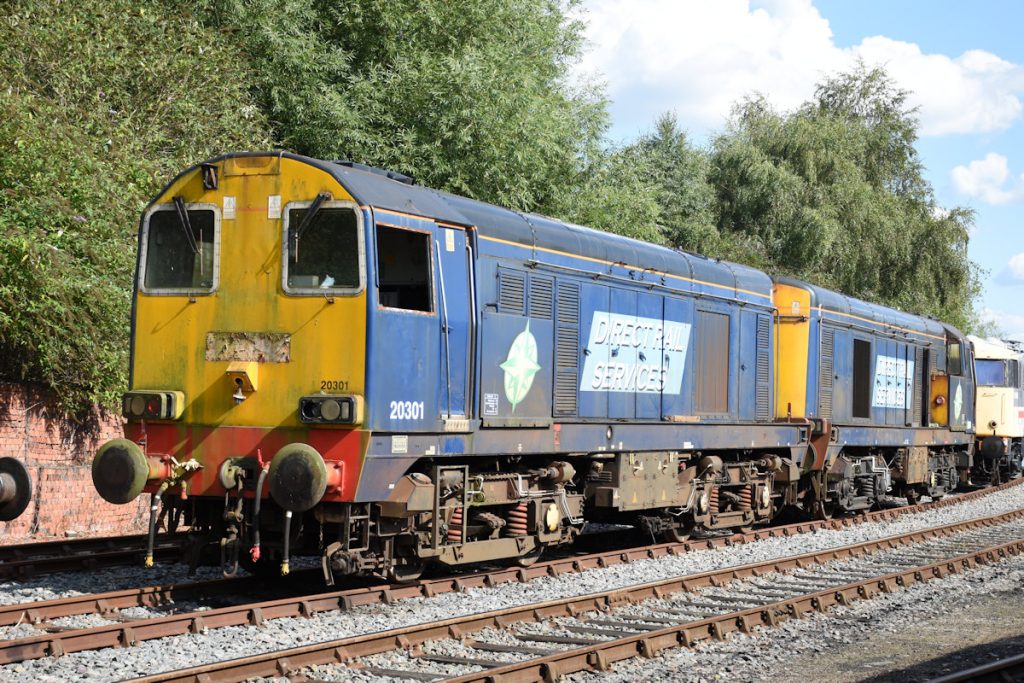
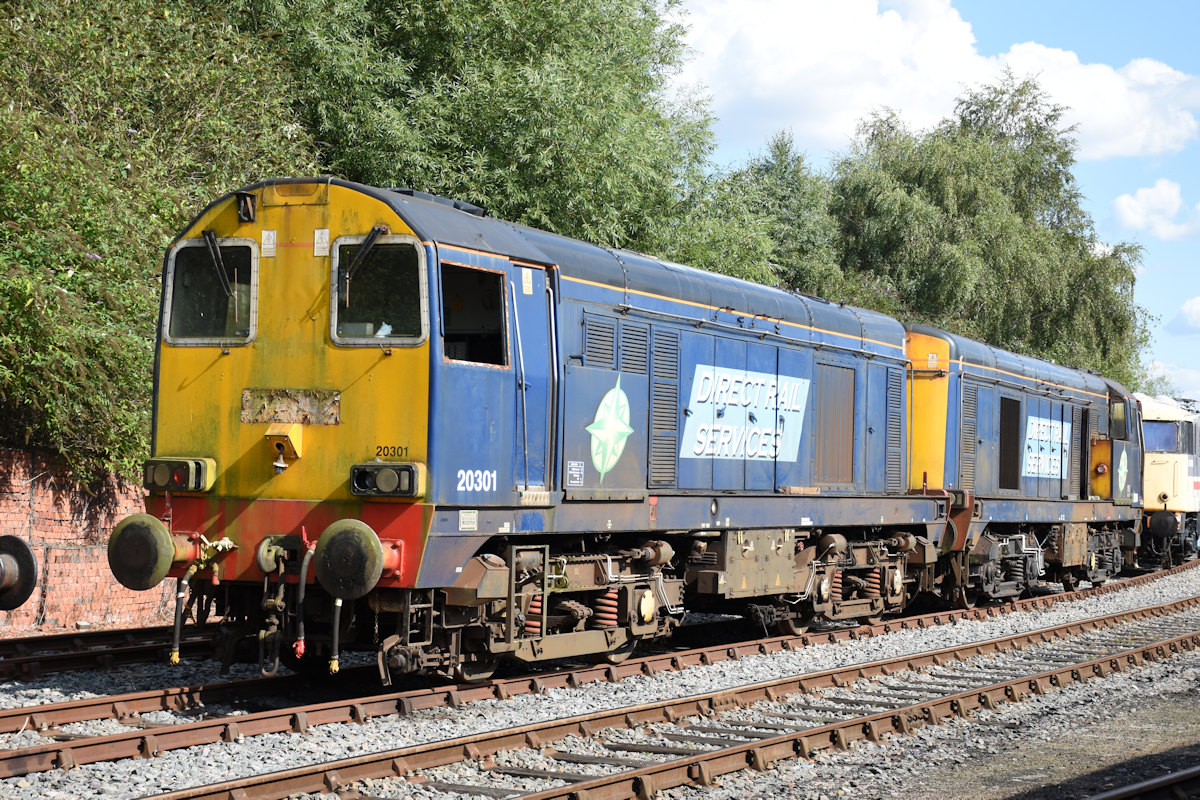
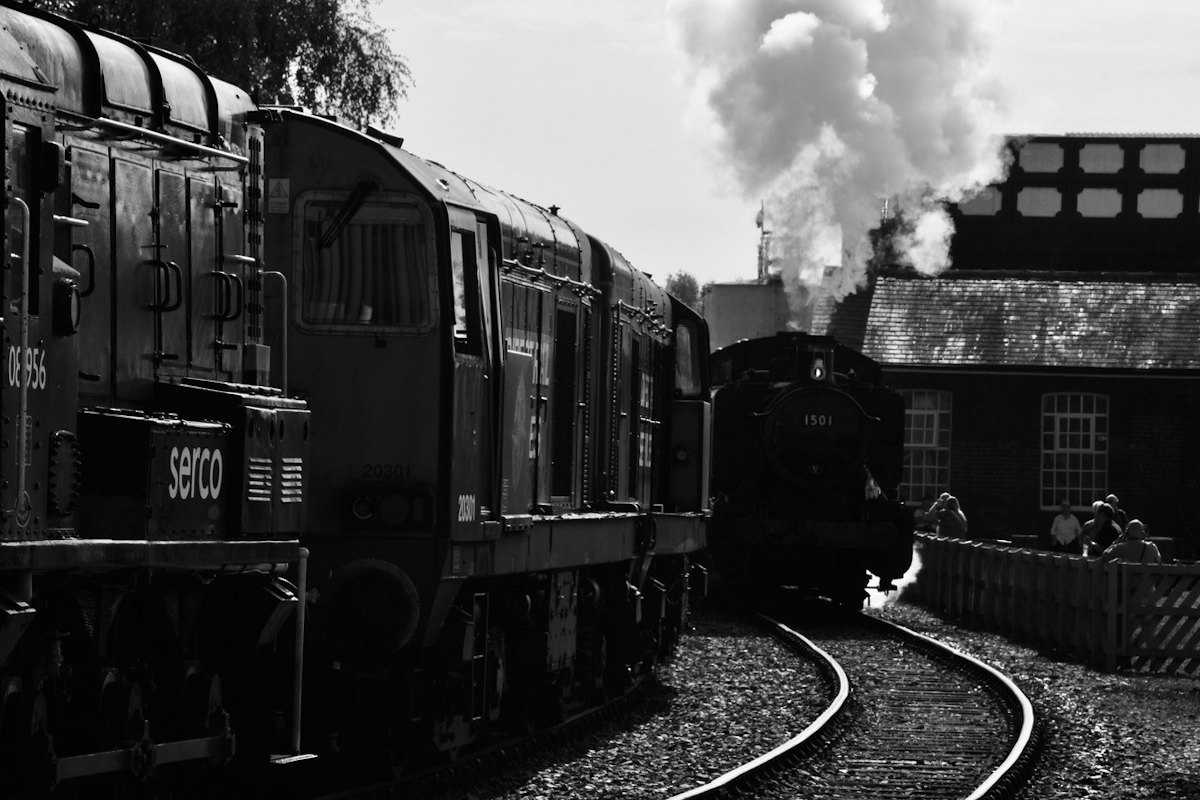
- Former Direct Rail Services Class 20s 20301 (20047) and 20304 (20120). Photo: Alan Jones.
-
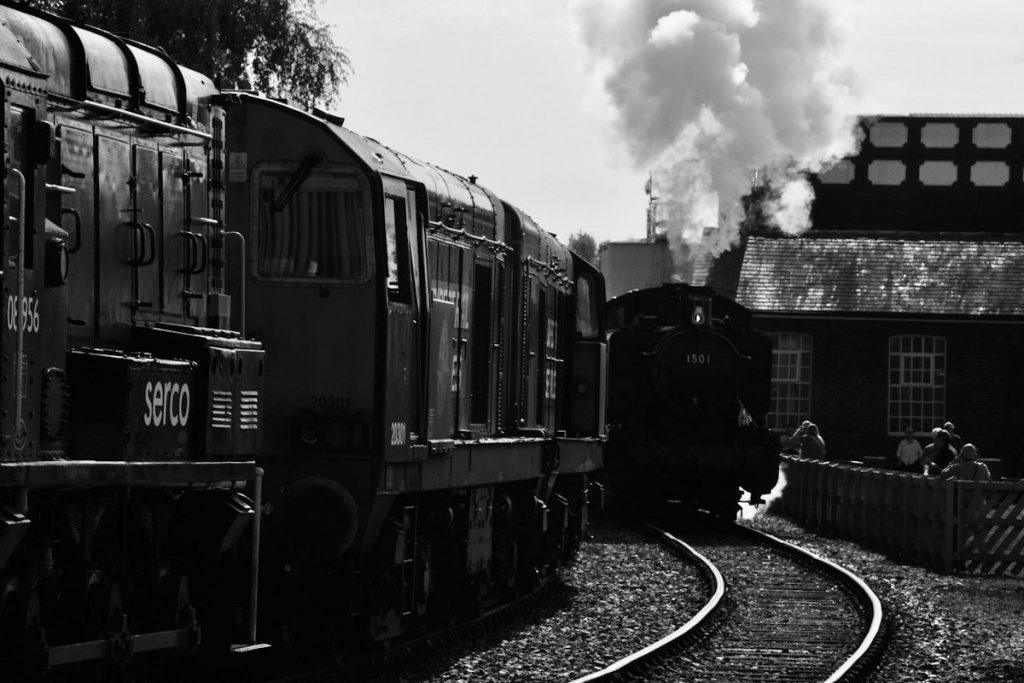
- In powerful backlighting, GWR 0-6-0 Pannier Tank 1501 departs from the platform. Photo: Michael Smyth.
-
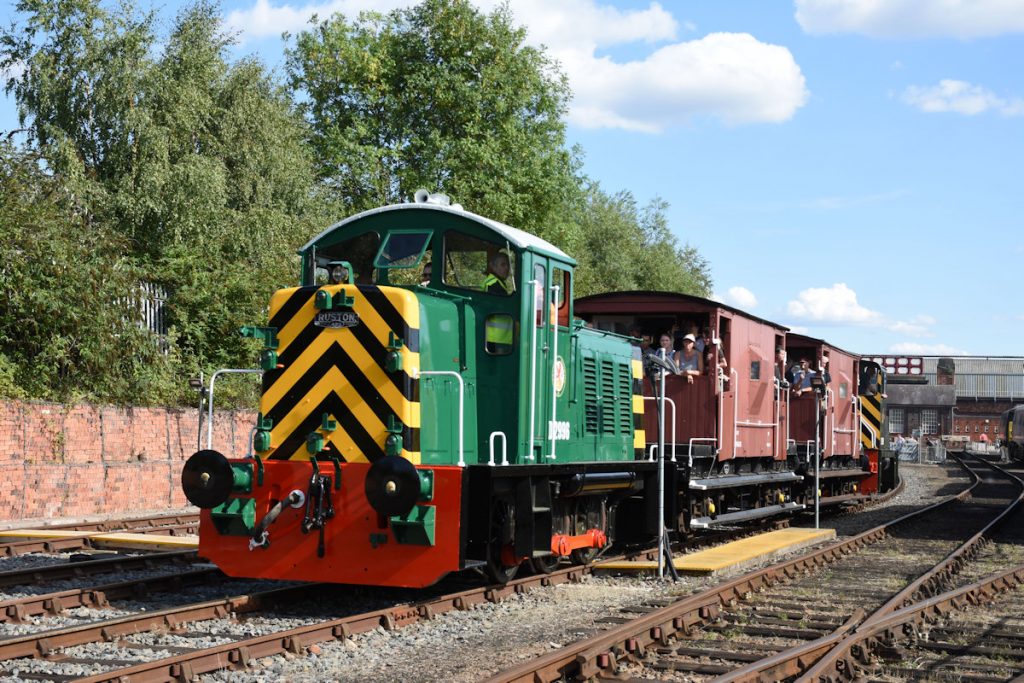
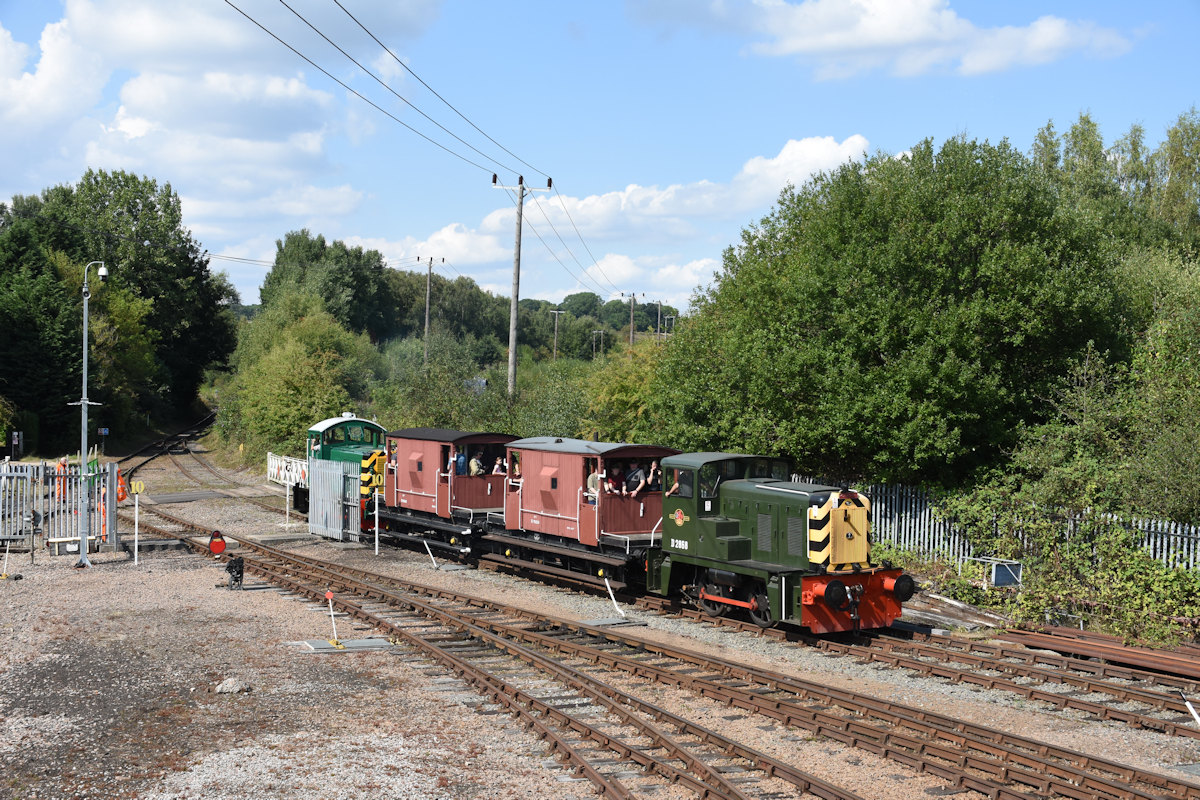
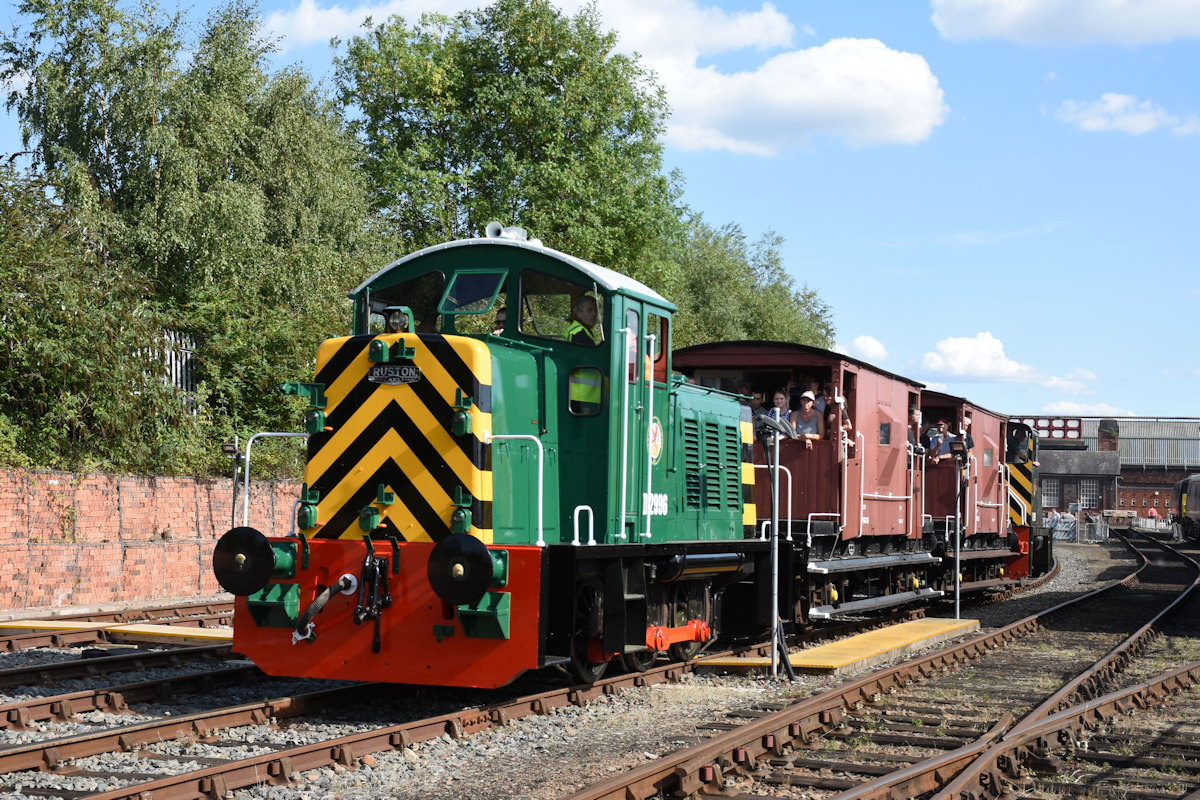
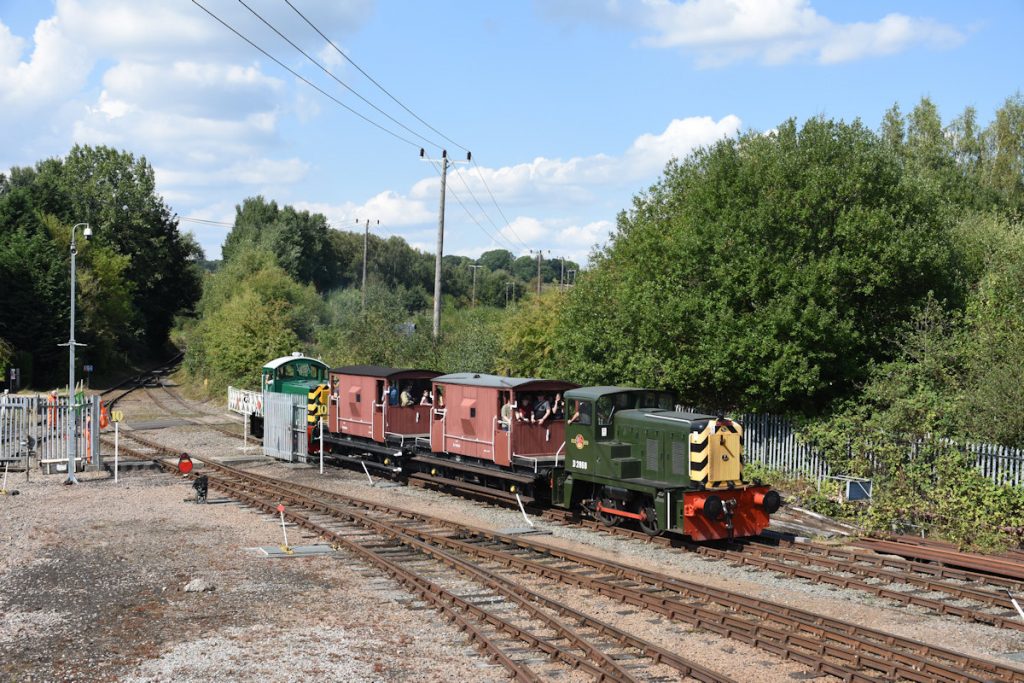
- Ruston and Hornsby Class 07 No. D2996 (subsequently 07012) and Yorkshire Engine Company Class 02 No. D2868 delight enthusiasts with a brake van trip up the Springwell Branch. Photo: Alan Jones.
-
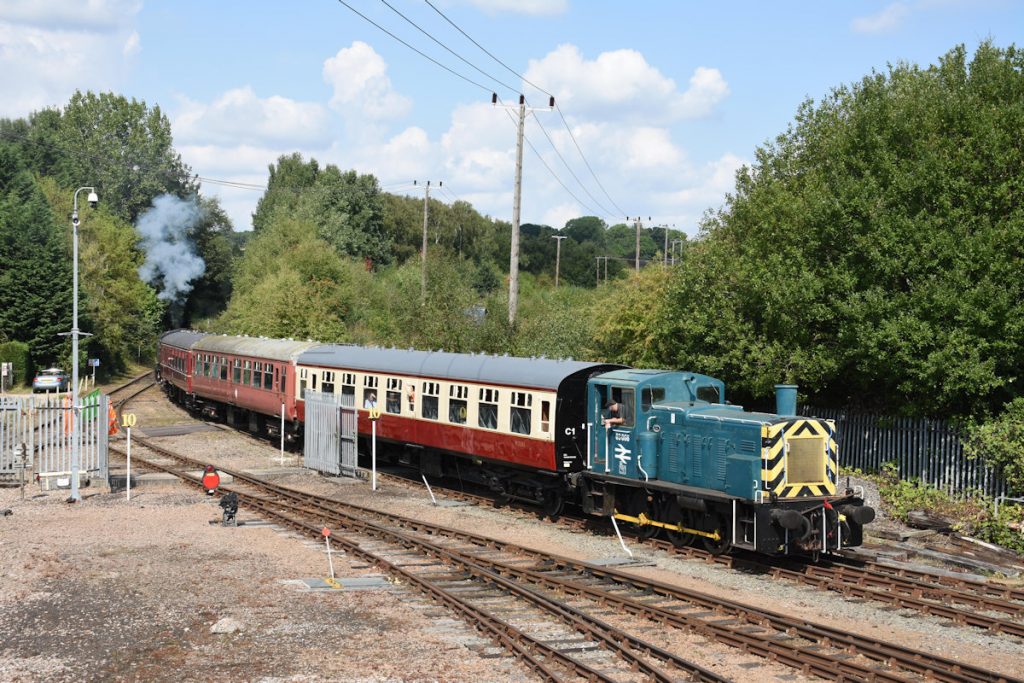
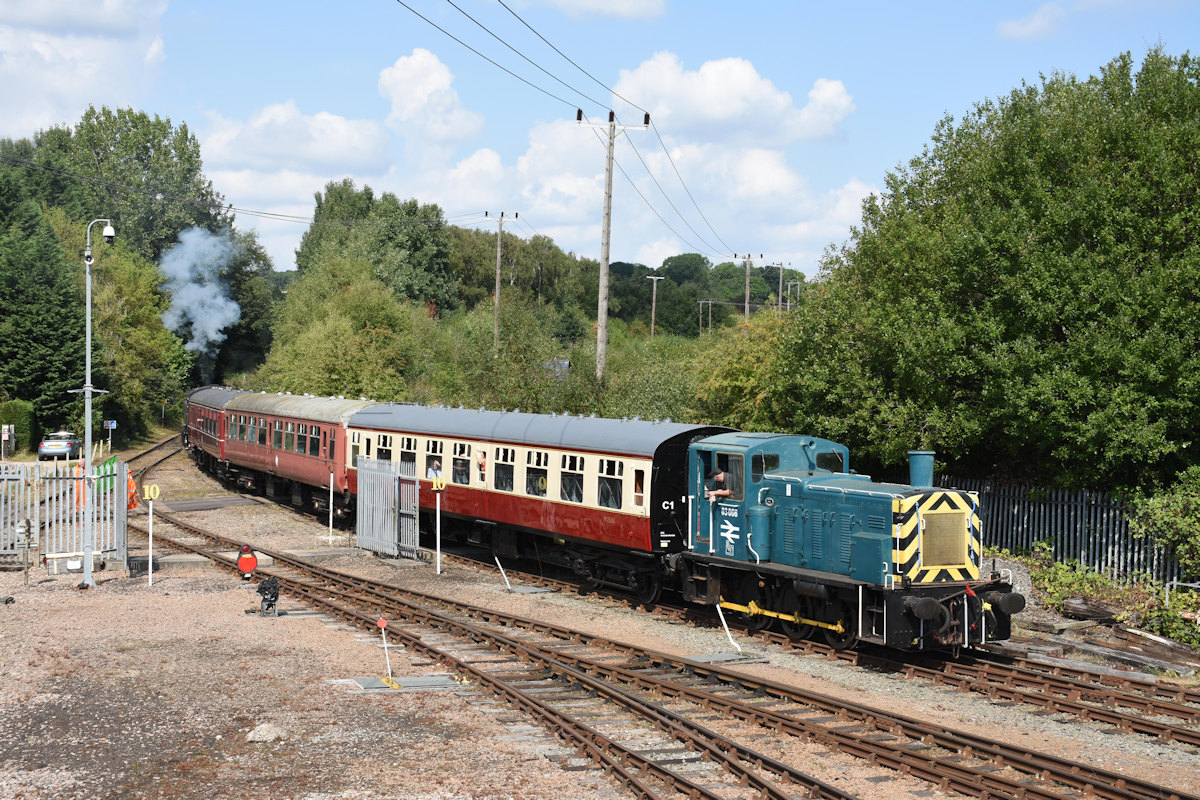
- Doncaster-built 03066 tops-and-tails GWR Pannier Tank 1501 on one of the two shuttle services running throughout the day on the Springwell Branch. Photo: Alan Jones.
-
- Seen from the steps of the former